
More
April 17, 2025
Navigating Hidden Freight Costs: Taking Control of Unexpected Charges
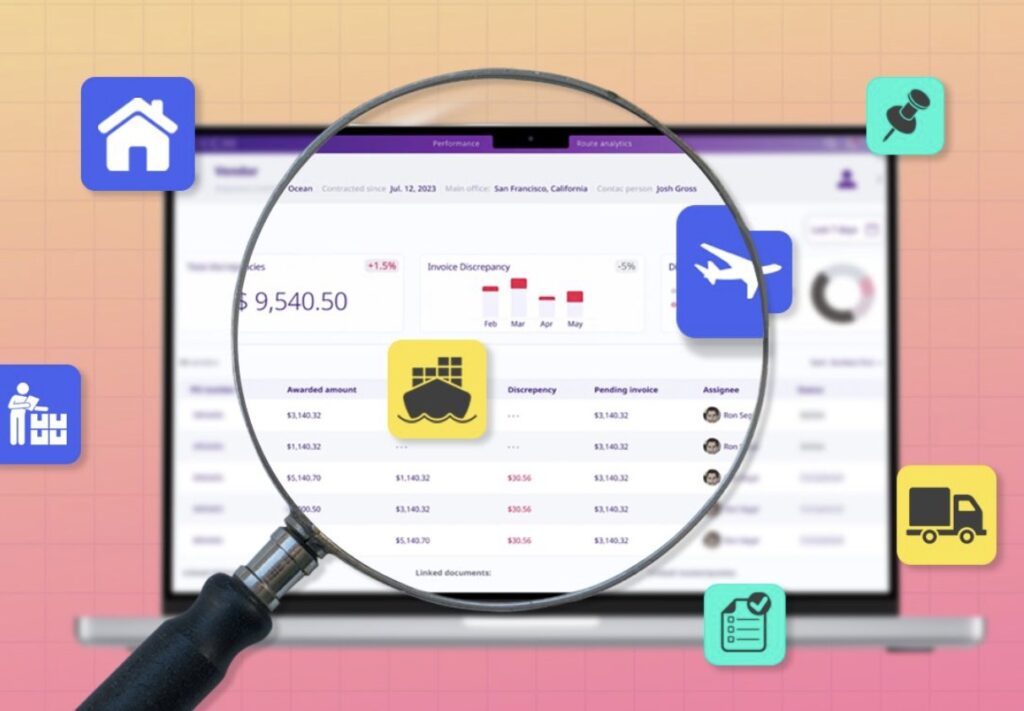
Blog Post written by Ohad Azgad, CEO of Cinch Logistics leaders must control costs while maintaining service quality, but hidden freight charges often erode profits due to poor visibility. Cinch analyzed over 7,000 line-item charges from 30+ freight forwarders, brokers, and carriers in FMCG and manufacturing, uncovering three major cost drivers: The Frequency-Impact Paradox Frequent charges like fuel surcharges appear in 14.4% of invoices but contribute just 4.2% of hidden costs. In contrast, customs duties—though present in only 5.8% of invoices—account for 52% of hidden costs. Identifying these patterns helps logistics teams focus on impactful cost reductions. Inconsistent Invoice Terminology Charge names like “Fuel Surcharge” vs. “Bunker Adjustment Factor” vary between carriers, reducing cost visibility and negotiation leverage. Standardizing terminology improves tracking, clarity, and vendor negotiations. Hidden Budget Risks: Customs, Duties & On-Carriage Fees Customs duties account for 46% of hidden costs, while on-carriage fees add 26%, despite appearing in only 4.3% of invoices. These charges are often underestimated during quoting, leading to budget overruns. Proactive management prevents unexpected expenses. Strategies to Optimize Freight Costs Real-Time Data Analytics: Platforms like Cinch provide charge visibility during quoting, improving cost forecasting and negotiation leverage. Standardized Terminology: Consistent charge names enhance cost…
MODEX 2026
May 11, 2026
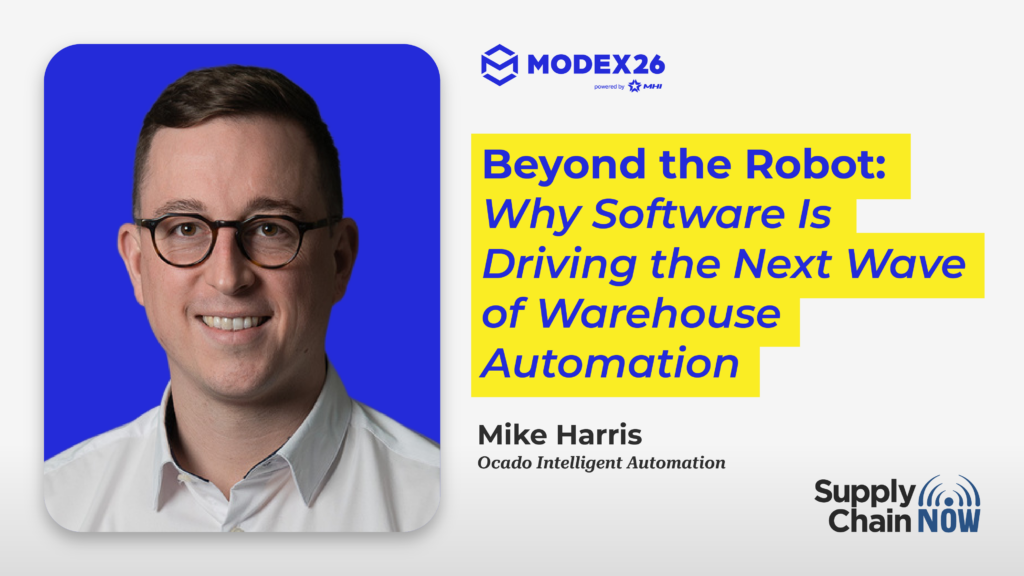
Beyond the Robot: Why Software Is Driving the Next Wave of Warehouse Automation
At MODEX 2026 in Atlanta, Scott Luton caught up with Mike Harris, VP of OMRS at Ocado Intelligent Automation, to explore how robotics, software, and evolving customer expectations are reshaping modern warehouse operations. While robots may grab the spotlight, Harris makes it clear: the real value lies beneath the surface, as in the intelligence that powers them. Rising Expectations and the Cost-to-Serve Challenge Warehouse operators are under increasing pressure from both ends of the supply chain. Costs continue to climb, while customer expectations are rising just as quickly. “Cost to serve is continuing to increase and customers expect things faster and completely accurate” Harris explains. This dynamic creates a constant balancing act. Organizations must improve speed and accuracy while controlling costs, a challenge that requires more than incremental improvements. It demands smarter, more adaptive systems. Flexibility and Long-Term Thinking Take Center Stage In today’s volatile environment, Harris sees a clear shift in how companies approach automation investments. “We’re finding that customers are looking to invest in technologies and partners that they want to stay with for a while,” he notes. Rather than chasing one-off solutions, organizations are prioritizing long-term partnerships and scalable platforms that can evolve with their…