
More
supply chain control tower technology
December 15, 2025
Control Tower Technology: The Command Center for Modern Supply Chains
This post is written by our friends at e2open. E2open is the connected supply chain software platform that enables the world’s largest companies to transform the way they make, move, and sell goods and services. Moving as one.™ Learn More: www.e2open.com. Global supply chains are under pressure like never before, and disruptions aren’t rare events anymore—they’re structural, constant, and often originate outside your four walls. A single weak link in your supplier network can ripple across production schedules, customer commitments, and brand reputation. The old playbook of reacting to occasional crises doesn’t cut it. To thrive in 2025 and beyond, companies need real-time visibility, predictive insights, and agile execution. That’s where supply chain control tower technology comes in. What is a supply chain control tower, really? A control tower acts as the command center for your supply chain. It gathers and visualizes data, analyzes disruption impacts, and provides actionable recommendations before problems escalate. Advanced solutions can even automate responses to routine issues and enable cross-functional collaboration to ensure that decisions aren’t just well-informed, they’re executed across the supply chain as well. Why control towers matter now Supply chain risk isn’t a passing cloud; it’s a thunderstorm that…
November 5, 2021
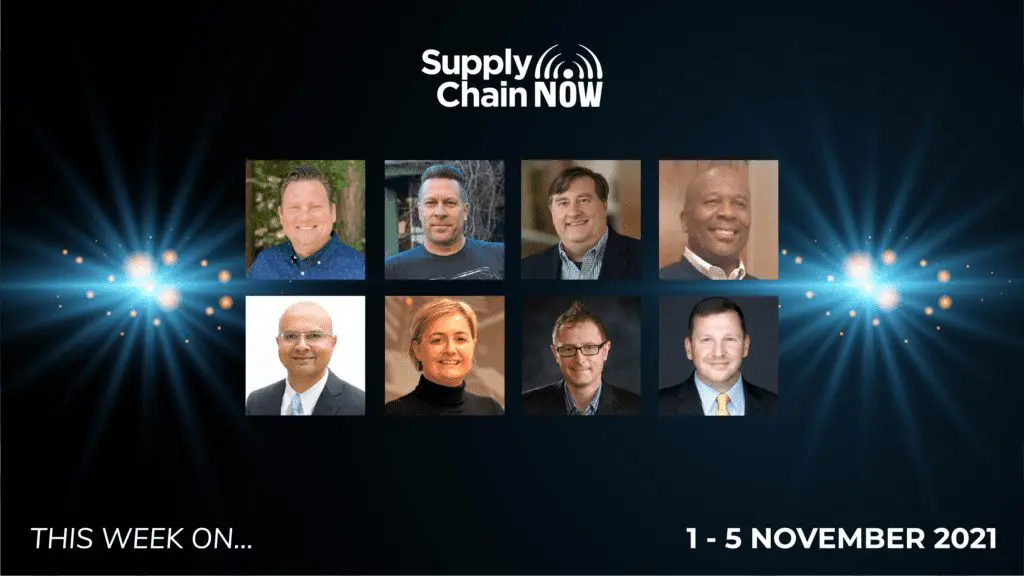
This Week In Supply Chain Now: November 1st – November 5th
Stay up to date on all the latest conversations, interviews, and episodes we released this week here at Supply Chain Now! We started this week off with an episode of Dial P live with host Kelly Barner. During this episode Kelly talks about supplier diversity, equity, and inclusion with Neeraj Shah, the CEO of Supplier io. For Monday’s This Week In Business History episode, Scott Luton highlights national sandwich day from the interesting facts to stories about some of America’s favorite sandwich brands. On Tuesday, we released a new episode of TEK TOK with host Karin Bursa. Karin talks with Dr. Glenn Richey representing Auburn University. During this episode, these two explain consumer issues ahead of the 2021 holidays and busy shopping season. For this episode of Supply Chain Now live host Scott Luton and Greg White chat with Bobby Holland the Vice President and Director of Freight Data Solutions at U.S. Bank. And Patricia Gabriel, the Vice President of U.S. Customer Service with Mondelez international. The conversation leads to the advancements that Bobby was involved in pertaining U.S Bank and the Quarter 3 reports for Mondelez International. For Thursday, we released an episode of Digital Transformers host with Kevin…