

More

May 28, 2021
This Week In Supply Chain Now: May 24th – 28th
What’s been happening at Supply Chain Now? This week, our program hosts welcomed many special guests this week to talk about startup growth, manufacturing, procurement, and, of course, supply chain! Check out the latest interviews, conversations, and podcast episodes right here! On Monday, we released 2 new episodes! In this episode of Dial P for Procurement, hosts Kelly Barner, Scott Luton, and Kim Winter welcome special guest Sam Achampong to talk about why it’s absolutely crucial for procurement to be aligned with your overall business strategy. On This Week in Business History, host Scott Luton delves into the story of Dr. Lillian Gilbreth, whom many refer to as “the Mother of Modern Management” and “America’s First Lady of Engineering”. On Tuesday, we released 2 new episodes! On this episode of Supply Chain Now, Lora Cecere, Founder of Supply Chain Insights, sat down with Scott Luton and Greg White to discuss COVID-19’s impact on software development, chip shortages, supply chain performance metrics, and more! On TECHquila Sunrise, host Greg White welcomed Jack Freeman of PeakSpan Capital to hear his path from startup to the investor seat, including what he’s learned, what he’s still learning and some new areas that he’s getting…
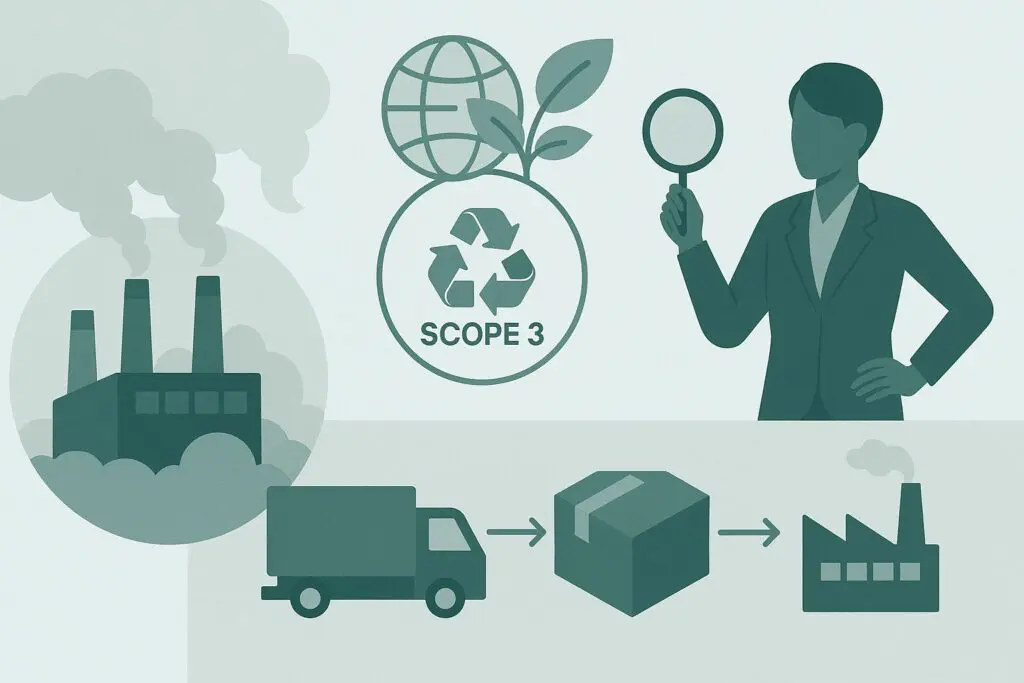
Scope 3 Emissions
April 15, 2025
Enabling Procurement Professions to Tackle Scope 3 Emissions
Special Guest Blog Post written by Memory Mathema Tackling climate change is one of the defining challenges of our lifetime. Understanding the implications of decarbonization is imperative to eliminating the risks that come with taking a complacent approach. Our responsibility lies in understanding the impact of our operations and acknowledging the escalating urgency to transition to a carbon neutral future and reduce the environmental footprint of all business undertakings. This is not only right for individual organizations but for the good of the whole society. South Africa ranks 14th globally in carbon emissions and stands as Africa’s leading polluter. The nation’s energy intense economy highlights its crucial role in spearheading efforts to reduce the continent’s carbon footprint and achieve net zero goals. Outdated energy generation methods, particularly coal reliance for 80% of energy needs, overshadow the country’s vast potential in hydrogen, solar and wind power. Both public and private sectors are recognizing the need for sustainable alternatives and are transitioning towards greener energy sources, fostering a shift towards sustainable carbon neutral supply chains. Addressing Scope 3 emissions, which constitute a significant portion of global greenhouse gas emissions, is necessary to delivering carbon neutrality across operations. Organizations must entrench an…