

More
supply chain podcast
March 11, 2025
Regulatory Changes In 2025: What Shippers Need To Know
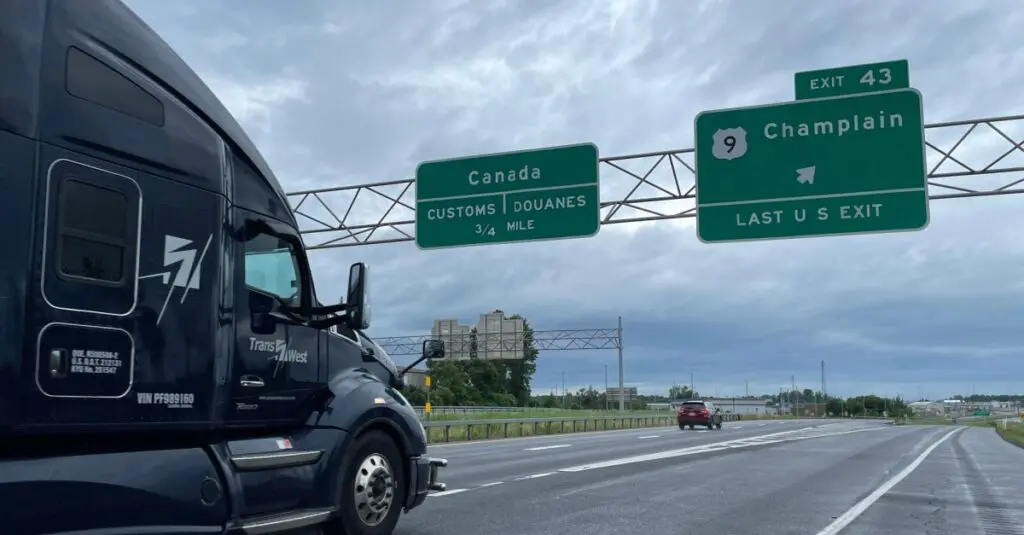
It’s safe to say supply chain podcasters won’t run out of things to talk about this year. With ever-evolving policies like the United States’ changing trade levies, experienced supply chain podcasts aren’t outlining podcasts, booking guests, or recording programs too far in advance. These days, material can be stale before it even airs! Trust Supply Chain Now to keep abreast of the very latest developments on the compliance and trade fronts to keep podcast listeners up to date. Tariffs: Keeping Up With Policy Shifts The United States’ trade relationships with many countries around the world have become rocky under the new Trump administration. At the time of writing, President Trump had imposed 25% tariffs on all products from Canada and Mexico. Canada immediately responded March 4 with 25% tariffs on nearly $21 billion of U.S. goods, with levies on another $86 billion of American products promised by March 25. Two days later, Trump suspended the tariffs on most goods from Canada and Mexico and moved the implementation date to April 2. The president also increased the tariff on Chinese imports from 10% to 20%. China retaliated with 15% tariffs on U.S. chicken, wheat, corn, and cotton and 10% tariffs on…
April 24, 2020
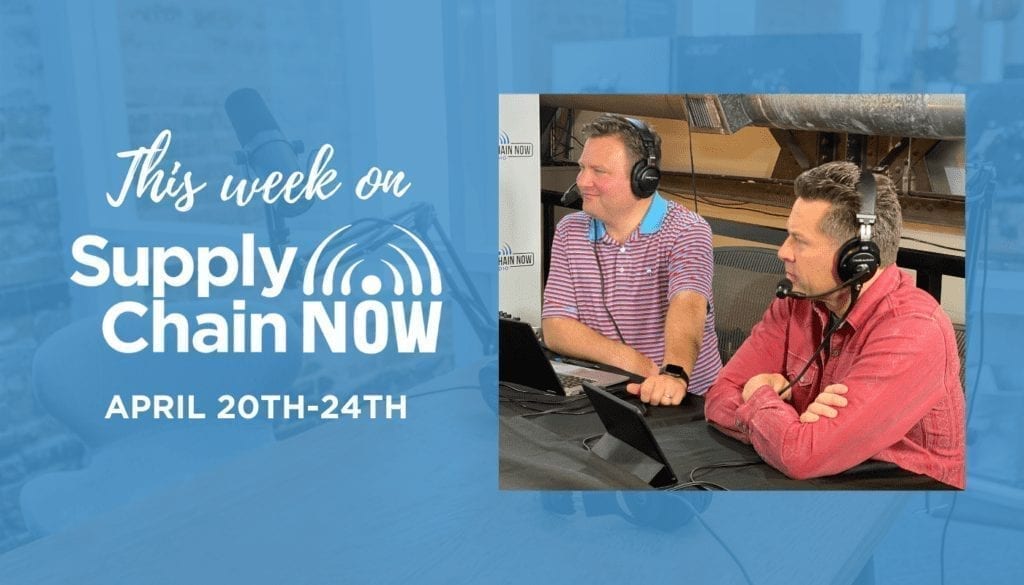
This Week on Supply Chain Now: April 20-24
It has been another busy week for Supply Chain Now! Did you catch all the episodes? If not, no worries! Check them all out here: We started out the week with a new episode in our Logistics with a Purpose series sponsored by our good friends at Vector Global Logistics. Listen as Scott, Greg, and Enrique have a great conversation with Mickey Horner with Rise Against Hunger. On Tuesday, Scott and Greg were joined by AIAG’s CR Summit speaker Joerg Walden, CEO of iPoint. Then we published the new and improved Supply Chain Buzz, with Scott and Greg sharing and discussing the latest news and events in Supply Chain and beyond. Scott and Greg were joined by Randy Strang with MedShare on Thursday for another episode in the Logistics with a Purpose series, sponsored by Vector Global Logistics. And to wrap up the week, Scott and fellow host Fred Tolbert with Demand Solutions were proud to host three exceptional Supply Chain students from the University of Georgia’s Terry College of Business.