
Kim Reuter
From humble beginnings working the import docks, representing Fortune 500 giants, Ford, Michelin Tire, and Black & Decker; to Amazon technology patent holder and Nordstrom Change Leader, Kimberly Reuter has designed, implemented, and optimized best-in-class, highly scalable global logistics and retail operations all over the world. Kimberly’s ability to set strategic vision supported by bomb-proof processes, built on decades of hands-on experience, has elevated her to legendary status. Sought after by her peers and executives for her intellectual capital and keen insights, Kimberly is a thought leader in the retail logistics industry.
More

supply chain
July 26, 2024
Leaders in Supply Chain Innovation Share Insights on Supply Chain Now
Explore this Microsoft article on global supply chain innovation and resilience, featuring leaders who have shared their insights on our Supply Chain Now podcast! These influential guests joined us on recent Microsoft-sponsored shows, offering valuable perspectives on the future of supply chains. Read the full article here
May 8, 2020
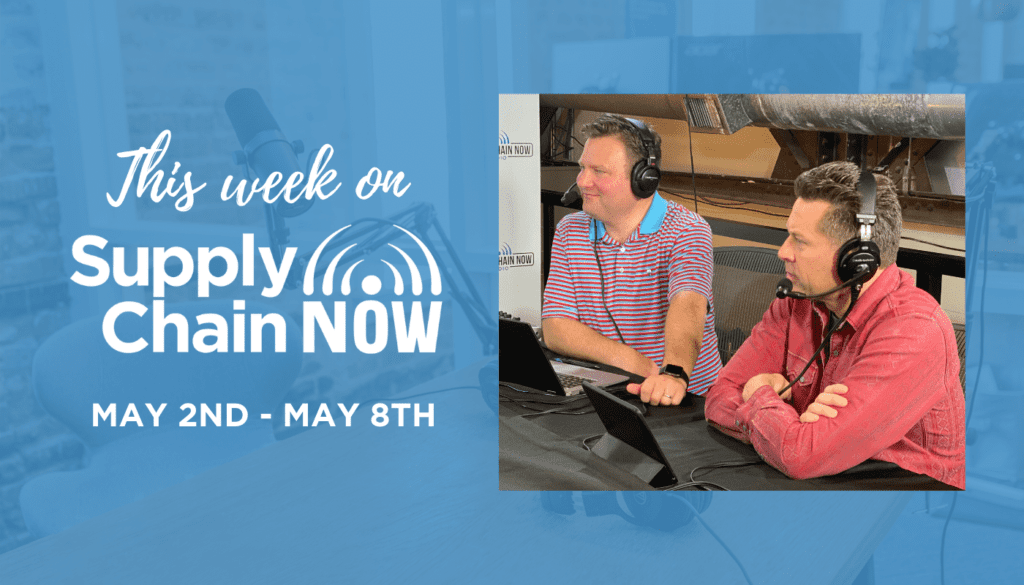
This Week in Supply Chain Now: May 2nd – 8th
Another great week here at Supply Chain Now! Have you listened to all the episodes? If not, no worries! Check them all out here: We added a special Saturday episode on May 2nd and featured the first of three speakers from the 2020 AIAG CR Summit and their insights from the conference. First up was Michael Wurzman… …Then on Monday we featured Tolga Yaprak with iPoint… …And then on Tuesday, we featured Bruno Sarda. On Wednesday, we published another episode in the fantastic Logistics with Purpose series sponsored by Vector Global Logistics. Our special guest was Lauren Noce with Hungry. Then we published the new and improved Supply Chain Buzz, with Scott and Greg sharing and discussing the latest news and events in Supply Chain and beyond. And to wrap up the week, Scott chatted with the Resilience360 team about their upcoming webinar about the 2020 Hurrican Season. Which was your favorite episode? Make sure you tune in next week for more great conversation, timely topics, and exceptional guests on Supply Chain Now!