Share:

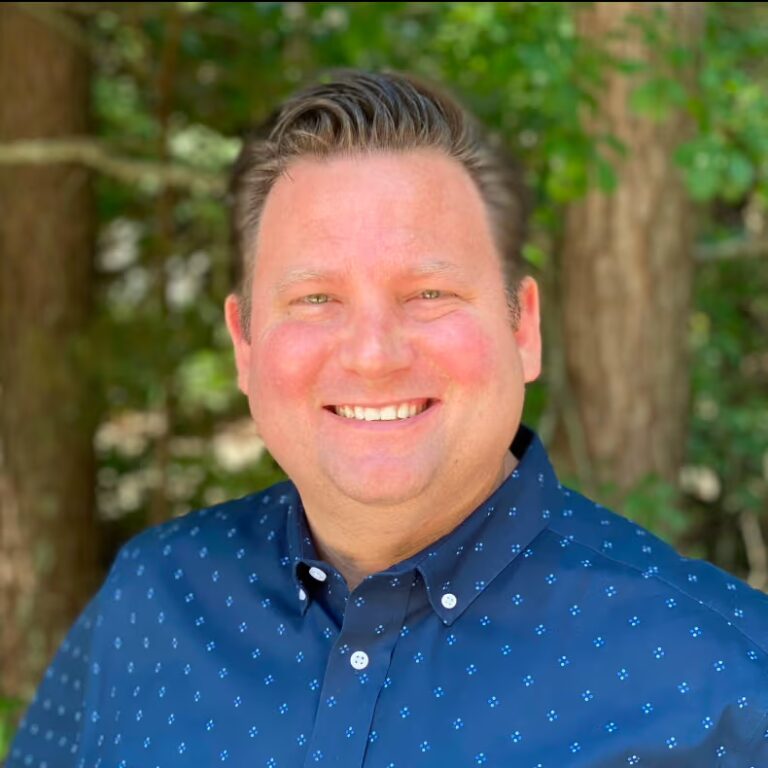
Scott Luton

Scott W. Luton is the Founder and CEO of Supply Chain Now, the #1 voice of Supply Chain. Supply Chain Now is an award-winning global digital content platform dedicated to the global supply chain industry and its robust community. At the heart of the platform, is the almost daily Supply Chain Now podcast, which has hit podcast leadership charts in over 60 countries. With over 20 years of extensive experience in the end-to-end supply chain, Scott has become a recognized global thought leader in the industry. His insights have been featured in major publications such as The Wall Street Journal, USA Today, the Atlanta Journal-Constitution, and CNN. In 2024, Thinkers360 named him the #1 Global Thought Leader and Supply Chain Influencer. Additionally, Supply & Demand Chain Executive recognized him as a Supply Chain Pro to Know in both 2019 and 2025, and he has also been recognized by RateLinx, ISCEA, and other organizations for his industry leadership.

Scott is a proud United States Air Force veteran, and since transitioning to civilian life in 2002, he has been committed to supporting the veteran community through various initiatives.

Under Scott’s leadership, Supply Chain Now has grown into the premier source of industry insights, offering a variety of content including podcasts, livestreams, webinars, and virtual events that engage a global audience. His passion for fostering collaboration and knowledge sharing continues to drive the platform’s success.

More
automation
July 31, 2025

5 questions I frequently get asked about automating operations with AI

Special Guest Blog Post written by Parabola Founder & CEO, Alex Yaseen   Operators are under pressure. They’re expected to move faster, do more with less, and somehow keep everything running smoothly while their systems, tools, and data are a mess. Now, AI is adding a whole new layer. On one hand, it’s exciting. The potential is real. On the other, a lot of teams feel stuck. They know they should be using AI, but they’re not sure where it fits into their day-to-day work. These are the five questions I get asked most often—whether someone’s trying to get started with automation, or trying to figure out how AI actually helps. 1. Can we automate this, or is it too messy? This question usually comes from someone deep in a spreadsheet that was never meant to scale. The short answer is: yes, you can probably automate it. But the longer answer is that you’ll need to rethink the process first. AI can help summarize, transform, and clean data—but it won’t fix a broken workflow. That’s on you. The best teams pair structured automation with lightweight AI to get leverage. Think: using rules and logic to standardize a workflow, and AI…
AI warehouse optimization
February 19, 2026

Automation That Adapts: Romain Moulin of Exotec on Building Warehouses for an Uncertain Future

Uncertainty Is the New Baseline At Manifest 2026, Scott Luton spoke with Romain Moulin, CEO and co-founder of Exotec, to discuss how warehouse automation is evolving in an era defined by volatility. “The big trend of last year was uncertainty,” Romain said, reflecting on 2025’s tariffs, economic tensions, and shifting trade dynamics. “Anything that would be done needed to deal with uncertainty.” Rather than waiting for stability, companies are designing operations that assume change is constant. “Anything that is going on now must be projects that are able to reorganize themselves,” he explained. Warehouses must be robust, agile and flexible as to whatever the next disruption brings.   From Conveyors to Configurable Robotics Exotec is known for inventing 3D warehouse robots (Skypods) that move across the floor and climb racks up to 14 meters (46 feet) to retrieve totes and deliver them to operators. But beyond the visual wow factor, the real transformation is simplification. “The time of bespoke complex warehouses tailored to a very specific need is over,” Romain said. Customers are moving toward more generic, adaptable warehouses. Exotec replaces hardware complexity with intelligent software. “We don’t program the solution,” he noted. “We let the software find the best…