
More
February 14, 2021
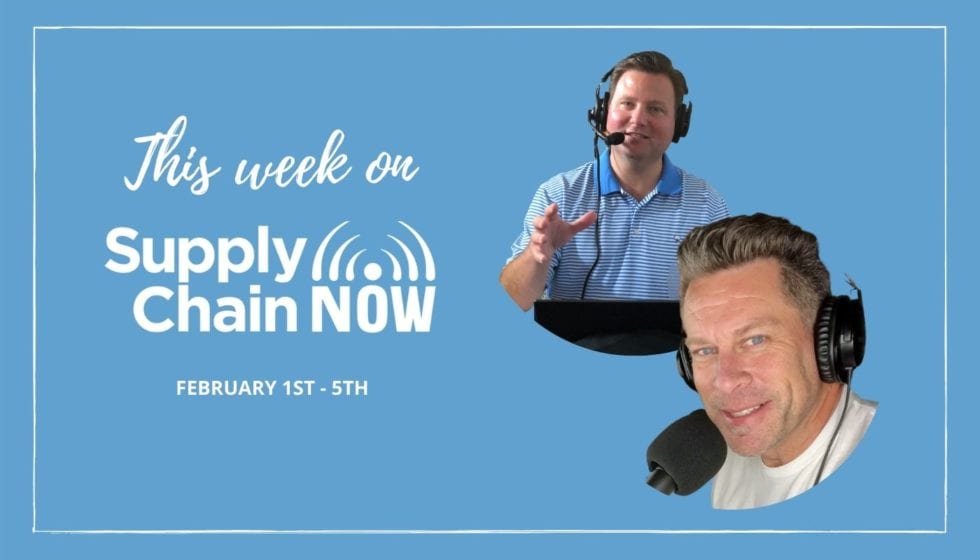
This Week on Supply Chain Now: February 1st – 5th
Hot off the Press! We’ve got all the latest news in supply chain this week right here. Read up and make sure you’re in the know about everything happening here on Supply Chain Now, including all the latest podcasts, livestreams, & more! On Monday, Supply Chain Now hosts Jeff Miller (Supply Chain Is The Business) and Jamin Alvidrez (Logistics and Beyond!) sat down with Wayne Cragg – a professional driver, photographer and social media influencer. On Tuesday, Bobby Holland from U.S. Bank and Frank Hurst of Roadrunner Freight shared the results of the on the Q4 2020 report, interpreting what they may mean for the economy and the shipping industry in the short and longer term with Greg White and Scott Luton On Wednesday, Mario Rivera of ID Logistics joined the Supply Chain Now podcast to talk about creative, real-world problem solving with Co-hosts Greg White and Scott Luton On Thursday, Scott, Greg, & Karin sat down with Lee Klaskow from Bloomberg Intelligence, one of the leading industry analysts, especially as it relates to logistics and transportation On Friday, Scott Luton tackled a variety of developments including from this past week on the…
supplier diversity
October 25, 2022
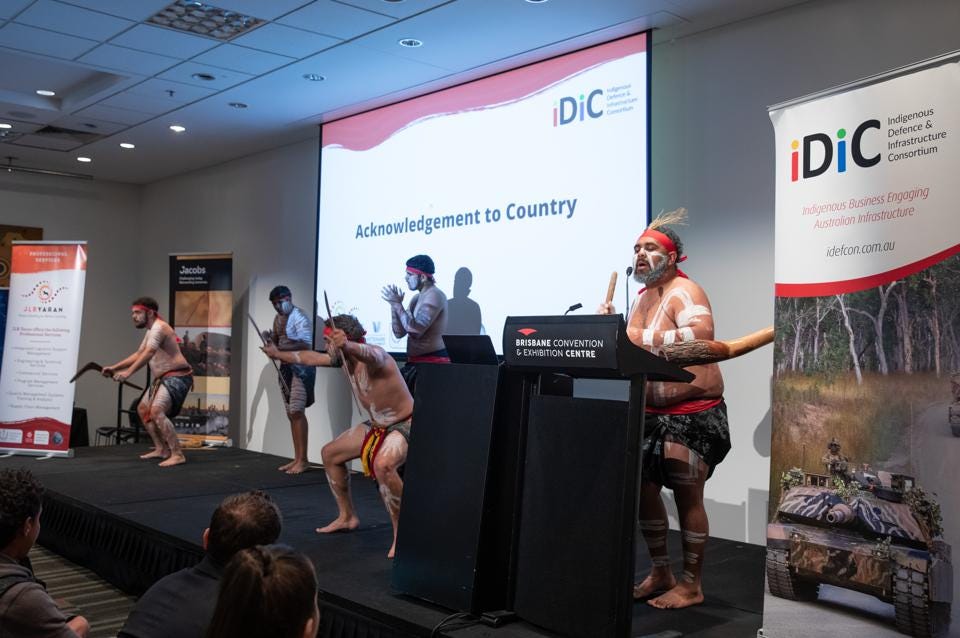
Boeing Uses Relational Contracting with Indigenous Businesses
Kelly Barner, host of Dial P for Procurement, procurement thought leader, and managing director of Buyers Meeting Point, explains why formal relational contracting is a great approach for companies serious about supporting their diverse suppliers in a recent Forbes article. “Small and diverse suppliers often find themselves in a Catch-22. They need to grow their capabilities to expand but as they’re often smaller organizations they fall into the trap of having transactional relationships with their customers.” Read the entire article here.