Share:

This Week on Supply Chain Now: February 15th – 19th

It’s time for Supply Chain Now! Make sure you’re up to date on all the latest episodes, interviews, conversations, and livestreams right here!


On Monday, Tracie Ohonme & Angela Carlson with Samaritan’s Feet International joined us to talk about how their outreach has shifted due to COVID-19, leading with a servant-leader mentality, & more!


On Tuesday, Scott and Greg welcomed, VP of Client Solutions with Alloy, Logan Ensign, a business leader from an industry dynamo that is empowering companies to successfully bridge the gap between plans and reality.


On Wednesday, Mike Griswold, VP Analyst at Gartner, joined us to discuss the latest in retail supply chains from an analyst’s perspective.


On Thursday, Scott and Greg welcomed Jon Gold with NRF to share the key NRF takeaways and trade issues to keep an eye on. 


On Friday, we replayed a recent livestream that kicked off our new partnership with The Assoication for Manufacturing Excellence (AME). Scott & Greg heard from Lee Alves with Simpler Consulting (an IBM Company), Jan Freyburgher with OpusWorks, Tony Spielberg with Cambridge Air Solutions, and Errette Dunn with Rever about the prevailing trends may drive manufacturing in 2021.


Which was your favorite episode? Make sure you tune in next week for more great conversation, timely topics, and exceptional guests on Supply Chain Now!

More Articles
sustainable supply chain
Articles
August 29, 2024

Eco-Friendly Innovations: How Sustainable Practices Are Reshaping Supply Chains

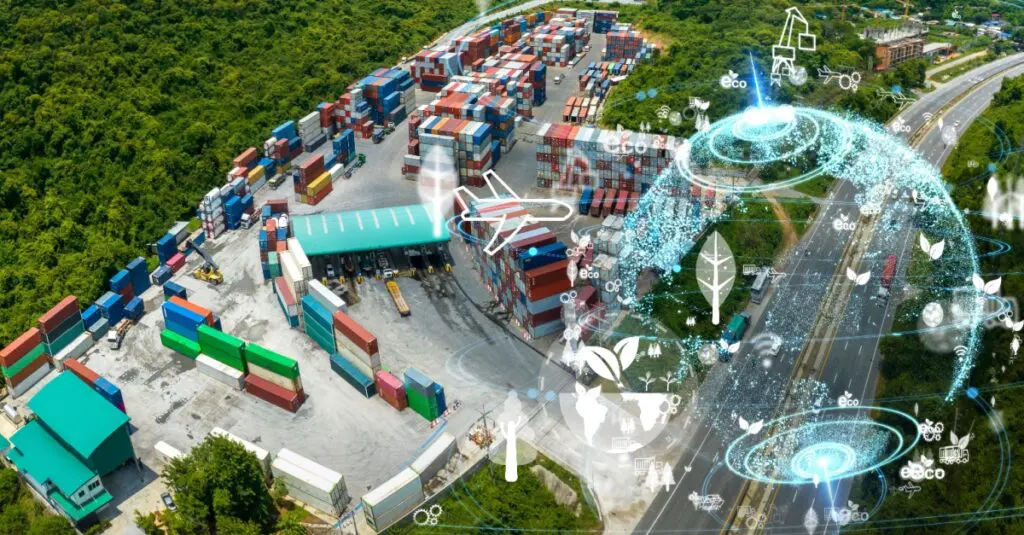
Scope 3 emissions reportedly account for more than 70% of businesses’ carbon footprints. That huge percentage gives an indication of just how critical supply chain sustainability efforts are to the planet. Thankfully, a growing number of eco-friendly innovations are helping reshape global supply chains. Supply Chain Sustainability: An Industry Imperative in a Changing World It is becoming increasingly important for companies to accurately calculate their supply chain emissions and create an information-sharing ecosystem, according to Matthew Gardner, co-founder and managing partner of Sustainserv, a consulting firm that helps businesses implement sustainability strategies. Gardner said accounting for supply chain-related greenhouse gas emissions includes such challenges as: Data gathering of “materials, manufacturing processes, activities of second- and third-tier suppliers, and overall data governance and quality.” Calculation methodology that “reflects the realities of raw material sourcing, product manufacturing, transportation and distribution, and other life-cycle impacts that may affect reported greenhouse gas totals.” Supplier relationships, which can be strained as a result of emissions assessments. Businesses also need to keep in mind their relationships with consumers. PDI Technologies said 80% of U.S. consumers it surveyed were willing to pay more for sustainable products. “Between these statistics and the regulatory conversations that are happening in…
supply chain
Articles
May 7, 2025

Something to Talk About: Topics Shaping Supply Chain

Tariffs have the entire world on edge, and the Supply Chain Now hosts are staying abreast of the very latest developments on the tariffs front to share them with listeners. But believe it or not, there’s a lot more going on in the world that affects the supply chain industry than tariffs, and Supply Chain Now is keeping listeners informed about all the topics important to them. Tariffs, Of Course, and Government Regulations The Trump administration has cranked up trade tensions with its 145% tariff on most imports from China and the end of the de minimis exemption that allowed packages worth less than $800 to enter the United States duty-free. The Port of Los Angeles, the United States’ largest maritime gateway, is one of the American powerhouses that has been bracing for the impact. Port Executive Director Gene Seroka said on April 24 that he expected within the next two weeks container ship arrivals would “drop by 35% as essentially all shipments out of China for major retailers and manufacturers have ceased, and cargo coming out of Southeast Asia locations is much softer than normal.” At Supply Chain Now, we’re constantly monitoring what’s happening in LA and Washington —…