
More
May 21, 2021
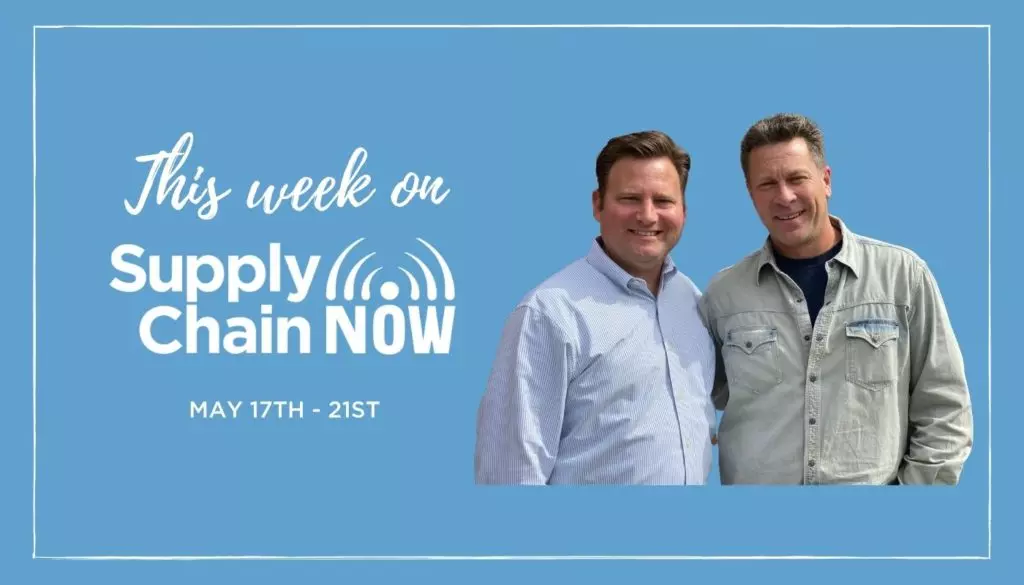
This Week In Supply Chain Now: May 17th – 21st
It’s been an exciting week here at Supply Chain Now! Get ready to hear all the latest episodes, interviews, conversations, and livestreams from this week right here. On Monday, we released 3 new episodes! In this episode of Supply Chain Now, we introduced the relaunch of our Supply Chain Real Estate series, in partnership with Prologis. Special host Ward Richmond of Colliers International joined our Supply Chain Now host Scott Luton to welcome Melinda McLaughlin and Megan Creecy-Herman of Prologis to the show. On This Week in Business History, Scott Luton shares 9 Things you Didn’t Know About Tina Fey. On Supply Chain Now en Espanol, host Enrique Alvarez welcomed José Luis Silva Vázquez with Dux Capital to hear stories from his childhood and how self-motivation and taking risks have gotten him where he is today. On Tuesday, we released 2 new episodes! On this episode of TEKTOK, Kelly Barner and Enrique Alvarez joined Karin Bursa and Scott Luton to discuss how the industry has bounced back since the pandemic began and how far we’ve come on a few important themes around digital supply chain and procurement. On TECHquila Sunrise, host Greg White continued his conversation with stealthy startup co-founder…
procurement
October 25, 2022
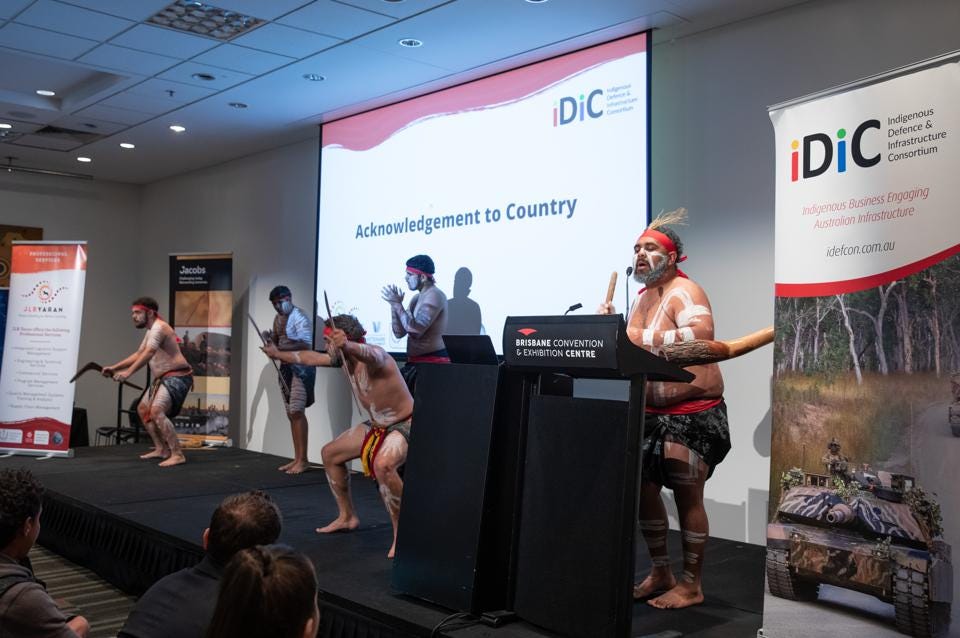
Boeing Uses Relational Contracting with Indigenous Businesses
Kelly Barner, host of Dial P for Procurement, procurement thought leader, and managing director of Buyers Meeting Point, explains why formal relational contracting is a great approach for companies serious about supporting their diverse suppliers in a recent Forbes article. “Small and diverse suppliers often find themselves in a Catch-22. They need to grow their capabilities to expand but as they’re often smaller organizations they fall into the trap of having transactional relationships with their customers.” Read the entire article here.