

More
logistics
June 4, 2025
5 Things I Wish More People Asked About Supply Chains in Latin America
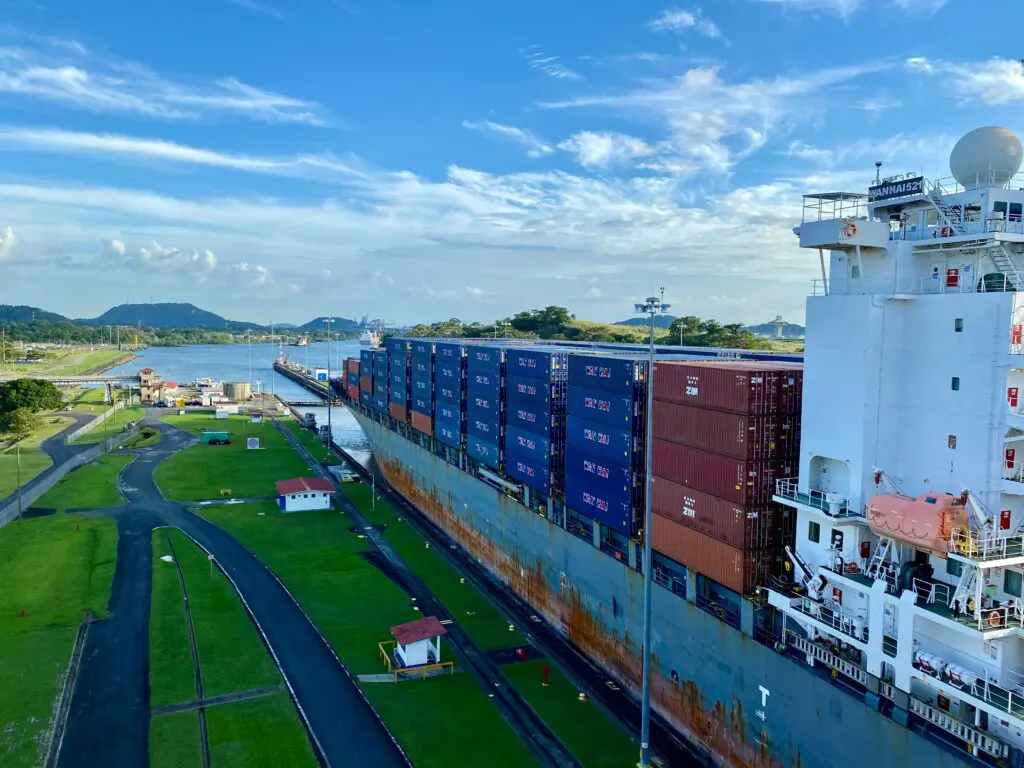
Special Guest Blog Post written by Demostenes (Demo) Perez, Photo by Rikin Katyal After more than 25 years in logistics and supply chain management and having led over 200 regional distribution projects, I’ve come to realize that the questions people don’t ask are often the most important. Throughout my career, I’ve worked with global multinationals, emerging brands, and family-run businesses. I’ve helped move everything from underground mining equipment to high-fashion goods, from pharmaceuticals and food to toys and chemicals. Some supply chain models I helped design are still thriving today; others were shut down after a few years. Many didn’t even make it past the drawing board. In that time, I’ve had the privilege of collaborating with logistics professionals from nearly every corner of the world and making lifelong friends in the process. Yet no matter the company size or product type, I still wish more people would ask these five questions before launching or scaling their operations in Latin America: 1. How well do I understand the diversity within Latin America? “Latin America” is often treated as a single market. It’s not. Logistics conditions in Mexico are completely different from those in Brazil. Colombia, Argentina, Peru, and Chile…
execution
May 1, 2026
Execution Over Everything: What It Takes to Win in Modern Supply Chains
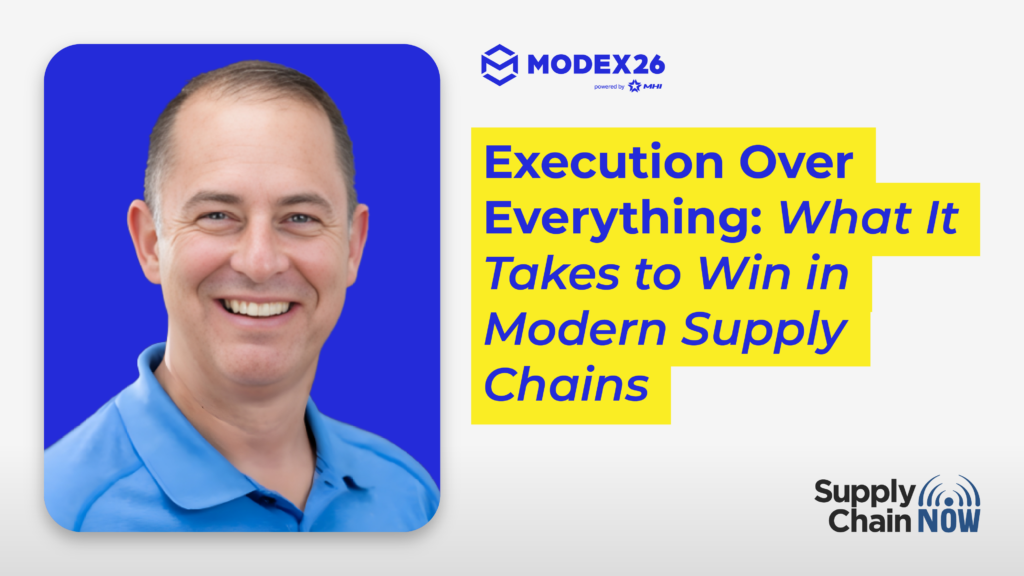
At MODEX 2026 in Atlanta, Scott Luton sat down with Tevon Taylor, Senior Vice President of Contract Logistics at Pegasus Logistics Group, for a candid conversation about what’s really driving success (and failure) in today’s supply chains. From tariffs and AI to warehouse inefficiencies and leadership mindset, Taylor’s perspective cuts through the noise with a simple truth: technology matters, but execution matters more. Disruption Is the New Normal If there’s one constant in 2026, it’s disruption. Tariffs, geopolitical uncertainty, and shifting trade lanes are no longer occasional challenges. They’re baked into the system. “You can’t stick to the old methods of running your supply chain. You must constantly find new ways to gain resilience,” Taylor explains. That resilience starts with flexibility. Companies that rely on rigid, linear networks are increasingly vulnerable. Instead, supply chain leaders must rethink how they design and operate their networks. Taylor emphasizes the need for multi-threaded strategies: nearshoring, domestic sourcing, and diversified transportation routes. In short, supply chains must evolve from static systems into adaptable ecosystems. AI Is More of a Requirement Than a Buzzword While some technologies come and go as industry cliches or flavor of the month, Taylor is clear that artificial…