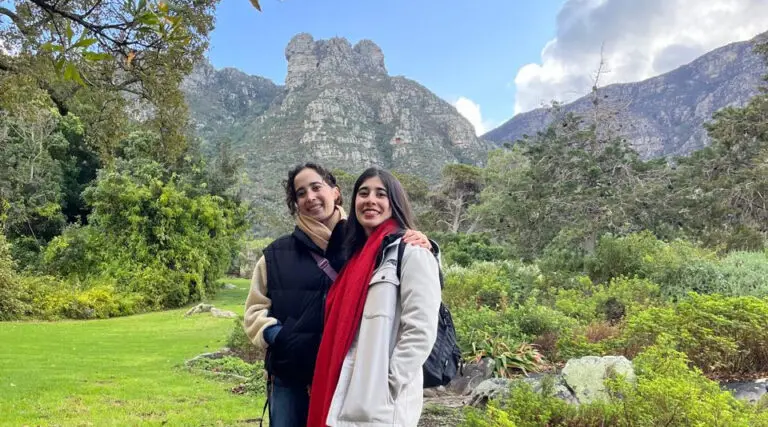
5 Questions I Would Like to be Asked About the Logistics Behind Traveling
Special Guest Blog Post written by Sofia Rivas Herrera
One of my greatest joys is travelling around the world; learning about other cultures, ways of living and traditions.
I often say that “everything is supply chain”, and this topic is no exception. When we plan a trip, we first start by defining origin and destination followed by when we want to travel and how. Then we evaluate how much we want/can spend and identify our non-negotiables, which start reducing the horizon of combinations and options we have.
Does this sound familiar? In my mind this is very similar to processes within planning, procurement, network optimization and supply chain strategy.
Here are 5 questions travel-related that I loved to be asked to help prove my point of this connection with supply chain:
- What is the best way to plan a trip?
Planning a trip is no different than planning a new distribution model or redesigning your network.
This process can look a bit like this:
- Define your route; origin and destination
- Identify your constraints: budget, time available, level of convenience and comfort,
- Run your optimization scenarios
From there, you identify available lanes, available modes of transport, and available locations to stay. Then you start comparing your options based on your objective function, which could minimize cost or minimize the amount of time spent in transit.
- How should I pack?
This is pure procurement meets operational efficiency. View your suitcase as if it were a container with limits; the way in which you pack will be constrained by its dimensions, cost and airline rules.
The content of your suitcase will depend on the constraints you’ve defined in your travel plan such as; the amount of days you’ll be travelling, if you’ll have time to wash clothes or not, weather conditions at destination, activities to be done, and so on.
I always try to travel as light as possible and with just a carry on. For this my advice is:
- Pack clothes that can be worn multiple times
- Avoid clothes that require ironing
- Use refillable containers for toiletries
- Try to stick to 2 pairs of shoes; the ones you are wearing and one more
Packing is constraint-based planning — just like managing supplier contracts or warehouse space; you bring what adds value and you leave behind what adds weight.
- How do you like to travel?
The more I plan, the more I feel in control of the multiple variables within a trip.
While I respect the “less planning, more flexibility” approach, I believe planning prevents issues from ruining your trip and allows you to adapt better when disruptions happen.
In transit, I prioritize comfort and practicality:
- Sportswear sets for easy movement
- A backpack with multiple compartments
- A phone crossbody strap for security and convenience
At destination, I prefer going deep rather than wide — getting to know one place in depth rather than rushing through several cities.
This is also my approach to operations: better to optimize deeply where it matters than spread resources thin.
- Why travel at all?
Not everything in life is about optimization. Sometimes, it’s about transformation.
Traveling expands the way we think and it can be an opportunity to:
- Discover new ways to solve problems
- Reconnect with yourself and your purpose
- It’s like stepping away from daily operations to reimagine your strategy. You travel not just to move, but to evolve.
- Which are your top 3 travel hacks?
- Create an itinerary by the hour – I use Google Calendar or Canva templates to make the most of my time. Tools like Travefy are also useful.
- Budget early – Start planning and saving at least six months in advance. Set aside small, consistent amounts toward your trip.
- Set flight alerts – Use Google Flights or Airhint to track price drops and grab deals for your preferred dates.
Traveling is logistics in motion — from planning routes to managing constraints and adapting to changes. Next time you are planning a trip, remember: you’re not just traveling. You are exercising supply chain thinking, with a personal twist.
Sofia is a Supply Chain Ambassador who advocates for a more diverse and inclusive supply chain field. She is a LinkedIn Top Voice who speaks at numerous international events as well as the CEO & Host of the podcast Supply Chain Now en Español, which aims to amplify the stories of Spanish-speaking professionals in the field. Sofia has 5+ years of experience in manufacturing, airport operations, retail e-commerce, and technology across Latin America, North America, and Europe.
More Blogs
Accelerating Decision Velocity: Why the Future Belongs to Faster, Smarter Supply Chain Decisions