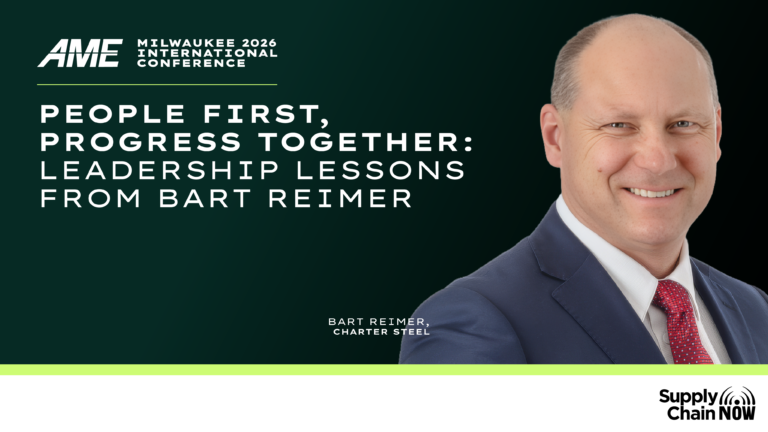
People First, Progress Together: Leadership Lessons from Bart Reimer
What does it really take to build an excellent manufacturing operation? Better processes? Smarter technology? Stronger leadership? For Bart Reimer, the answer involves all three, along with a healthy dose of humanity.
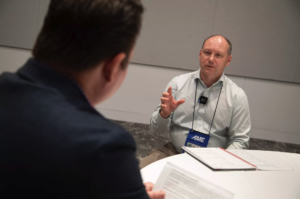
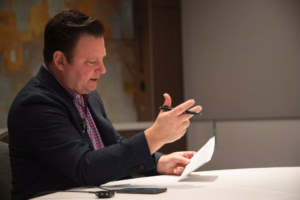
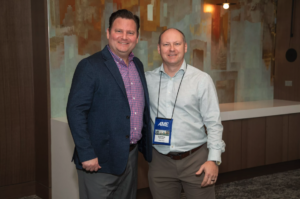
During the Association for Manufacturing Excellence (AME) International Conference 2026 in Milwaukee, Supply Chain Now Founder and CEO Scott Luton sat down with Bart Reimer, Vice President of Operations at Charter Steel and incoming Chair of AME’s Board of Directors, for a conversation about leadership, continuous improvement, organizational transformation, and the future of manufacturing.
Throughout their discussion, one powerful theme kept emerging: people matter. And the best leaders never lose sight of that fundamental truth.
When a Flood Changes Everything
Reimer’s leadership journey includes several pivotal experiences, but one of the most significant came courtesy of Mother Nature.
Early in his career, Reimer worked his way from intern to general manager at a family-owned brick and refractory business. He knew practically everything about the operation, from its technical processes to its customers and financial performance. Then a devastating, once-in-500-year flood wiped out the business.
Suddenly, Reimer found himself managing a large tire manufacturing plant, despite knowing absolutely nothing about making tires. That experience fundamentally changed his approach to leadership.
“I had to shift from that expert to understanding people,” Reimer explained.
Instead of relying on technical expertise, he embraced relationships, process improvement, and lean manufacturing principles. Another turning point came while working with renowned manufacturing leader Billy Ray Taylor, who taught Reimer the transformational power of giving employees genuine ownership.
A third experience introduced him to the leadership iceberg model, where the visible 10% represents processes and transactions, while the remaining 90% involves relationships, emotions, and humanity.
As Reimer put it, “I’m okay with emotion at any point. I’m not okay with drama.”
It’s a distinction worth remembering, particularly for leaders navigating organizational change.
Building Excellence at Charter Steel
Today, Reimer helps lead operations at Charter Steel, a family-owned business with seven manufacturing facilities across Wisconsin and Ohio. The company transforms recycled scrap metal into steel products serving primarily automotive customers, with operations spanning melting, rolling, and specialized processing.
It’s a complex manufacturing ecosystem, especially considering the different capabilities across its facilities and the company’s emphasis on customized customer service. But one particularly interesting aspect of the business is its Charter Success Formula.
The concept is straightforward: engaged employees drive heightened performance, which produces better business results, allowing the organization to reinvest in its people and operations. That creates a virtuous cycle of improvement.
Reimer believes operational excellence starts with three essential ingredients. First, establish clear, visible standards. Without them, continuous improvement becomes an endless game of whack-a-mole, with the same problems resurfacing repeatedly. Second, improve strategically from those standards, concentrating on meaningful constraints and problems employees encounter every day. Third, continually communicate the why behind the work.
“You have to continue to tell people why at every step of the process and you can’t stop,” Reimer emphasized.
Understanding the purpose behind change helps employees connect their individual contributions to larger organizational objectives, an important ingredient in building a sustainable improvement culture.
The Leadership Mistake That Creates Resistance
One of the conversation’s most interesting moments came when Reimer challenged a common approach to organizational transformation. Many companies introduce improvement initiatives within a small group, demonstrate success, and gradually expand participation. While that approach might sound perfectly reasonable, Reimer sees a significant risk. When employees feel excluded, resistance can build before the initiative ever reaches them.
“People will become bitter if you leave them out,” he warned.
His recommendation is to engage people throughout the organization early, communicate frequently, and ensure executives understand the long-term objectives. That’s especially important when improvement initiatives take longer than expected to deliver results.
Sustainable transformation requires organizational buy-in, and that trust takes time to build.
Manufacturing’s Priorities for 2027
Looking toward 2027, Reimer identified several priorities deserving leadership attention. Workforce training remains essential, particularly as employee turnover and hiring challenges complicate knowledge transfer. Organizations must invest in developing their people, even when operational demands make finding the time difficult.
Organizational flexibility is equally important. Reimer described how rapidly changing tariffs forced constant supply chain adjustments during his time with a global manufacturer. Decisions that appeared sound one month could become problematic the next, reinforcing the importance of balancing agility with patience.
And then there’s artificial intelligence. Reimer sees tremendous potential for AI to accelerate analysis, improve efficiency, and help leaders identify where to concentrate their attention.
“I’m all about focus. I only want to work on a few things, period,” he explained.
But he also cautioned against blindly accepting AI-generated recommendations. Reimer described the value of working through ideas on his whiteboard and inviting colleagues to challenge his thinking. It’s a practical example of how technology can accelerate decision-making while human judgment and collaboration remain essential.
Why AME Matters
As incoming AME Board Chair, Reimer brings a deeply personal appreciation for the organization’s mission. He’s drawn to the learning opportunities, the energy of fellow practitioners, and the relationships that help leaders navigate difficult challenges.
That perspective aligns closely with the conference’s 2026 theme, People First, Progress Together.
For Reimer, progress requires change, change requires people, and meaningful improvement happens faster when organizations learn from one another. He hopes attendees leave Milwaukee with practical ideas, fresh perspectives, and trusted relationships they can call upon long after the conference concludes.
One Final Piece of Advice
As their conversation concluded, Luton asked Reimer to share one recommendation for leaders navigating today’s complicated business environment. His answer was immediate: “Get yourself a coach.”
Reimer believes leaders need someone who can challenge their thinking, help them process setbacks, provide accountability, and replenish the energy required to keep moving forward.
Luton reinforced the point with a comparison to legendary athletes Michael Jordan and Tiger Woods, both of whom relied on coaching throughout their extraordinary careers. If the world’s greatest athletes recognize the value of coaching, business leaders can certainly benefit from that same philosophy.
Ultimately, Reimer’s leadership journey offers a timely reminder that operational excellence depends on disciplined processes, continuous learning, and leaders who genuinely care about their people.
As manufacturers prepare for 2027, those principles offer a powerful foundation for building stronger organizations, developing better leaders, and delivering lasting results.
And they capture the spirit of AME’s International Conference: People First, Progress Together.
Where to Learn More
Learn more about Charter Steel via the company website here. You can also learn more about AME programming at: https://www.ame.org/ . And be sure to connect with Bart Reimer via LinkedIn or via email: rymerb@chartersteel.com
More Blogs
Control Tower Technology: The Command Center for Modern Supply Chains