
September 17, 2021
data

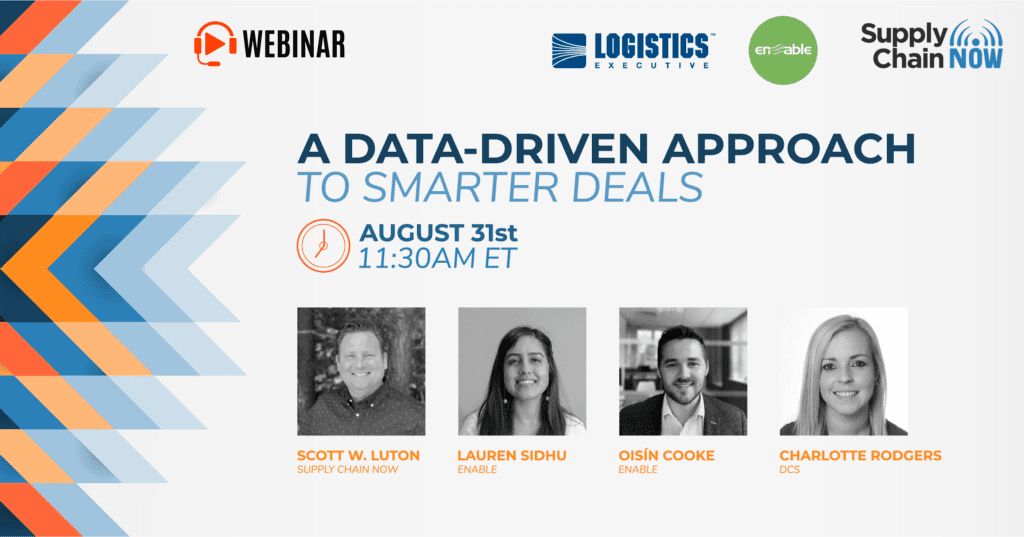
WEBINAR: A Data-Driven Approach to Smarter Deals

Share:

WEBINAR: A Data-Driven Approach to Smarter Deals

When it comes to managing finances or making large decisions for an organization, data is of the utmost importance to help guide your decisions and give you insights on what to expect after the decision is made. Whether you’re managing day-to-day finances, making a decision on pricing, choosing who to partner with, or even creating deal negotiations, having data to back each decision is the safest way to play.

In this session, Scott Luton and Supply Chain Now welcome Laren Sidhu and Oisín Cooke with Enable and Charlotte Rodgers with DCS as they go over the importance of data and the impact that a data-driven decision can make for your organization, both now and in the future. They’ll also review how to visualize your data to make more informed decisions, and how to best utilize the data that you’ve found so you can set your organization up for greater success as you grow.

More Webinars
webinar
play-button-webinar
webinar-person
Webinar
February 7, 2022

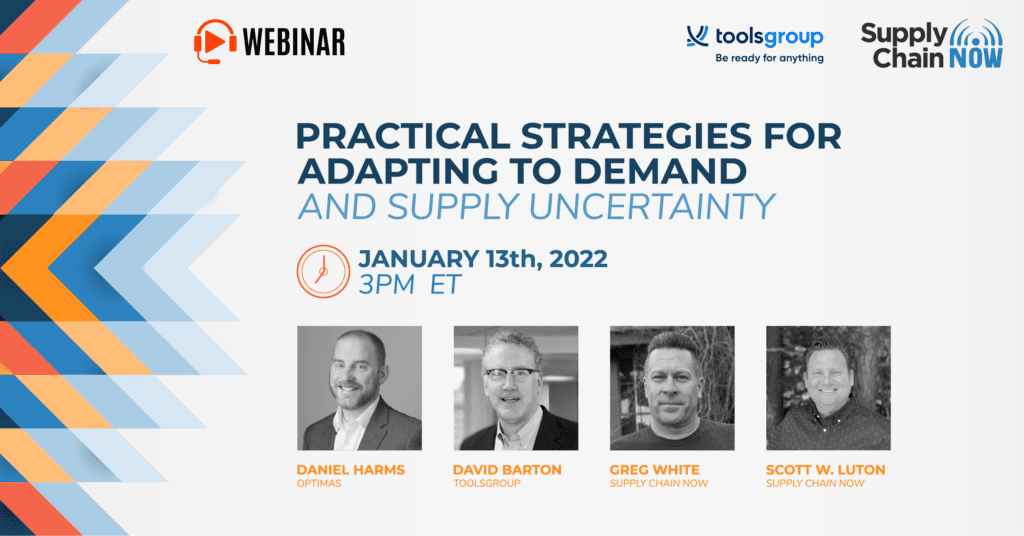
Practical Strategies for Adapting to Demand and Supply Uncertainty, A Conversation with Daniel Harms and David Barton
As the repercussions of COVID are still echoing through supply chains around the world, how can businesses adapt to the new reality of constant uncertainty? Optimas Solutions, a major parts distributor and manufacturer, has seen both supply and demand reliability turned upside down. In this session, we’ll have a candid discussion with Optimas’ President of Americas, Daniel Harms and ToolsGroup’s General Manager, Americas, David Barton, about how Optimas maintains service to customers amid protracted supply constraints. You’ll hear practical advice for how manufacturers and distributors can actually plan for uncertainty and lean on technology to keep performance high despite staffing challenges.
diversity
play-button-webinar
webinar-person
Webinar
April 3, 2025

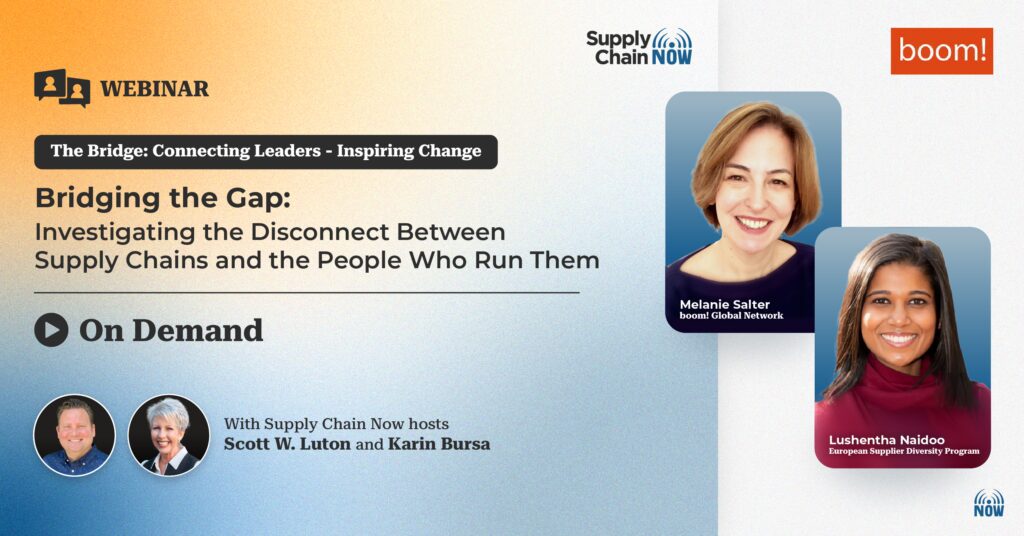
Bridging the Gap

Our profession has a tendency to disconnect discussions about how to create high performing supply chains from how to create high performing supply chain employees and teams. We see this in both business and academia. In business, HR is often seen as more administrative than strategic, and supply chain and HR metrics and strategy are often not aligned. It’s a similar situation in academia, with even the great Michael Porter viewing HR as an administrative role. In this webinar, as part of our webinar series, “The Bridge,” we’ll explore the reasons behind the disconnect and how to bridge the gap between supply chains and the people who run them.