

More
supply chain planning
January 6, 2026
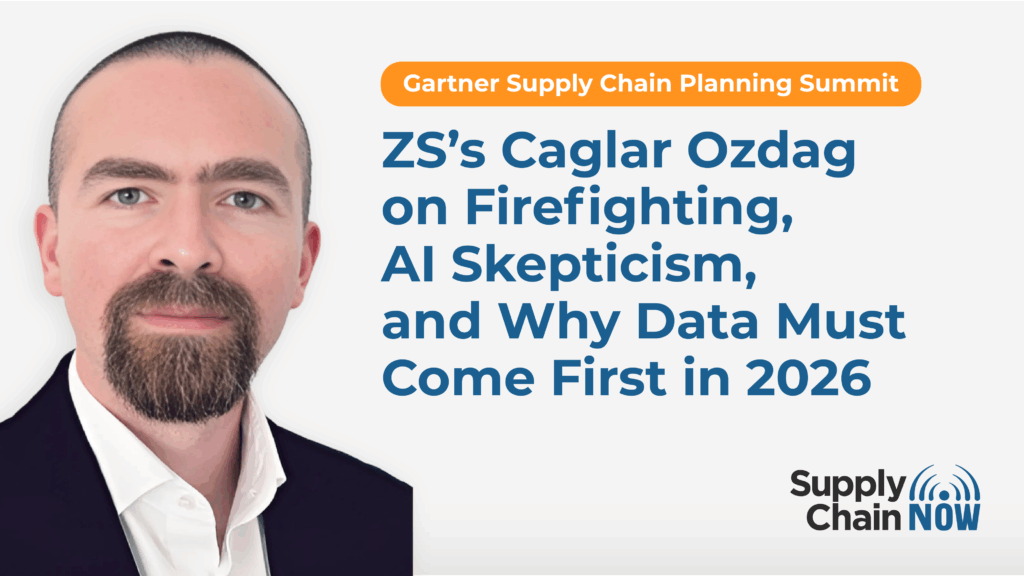
ZS’s Caglar Ozdag on Firefighting, AI Skepticism, and Why Data Must Come First in 2026
At the Gartner Supply Chain Planning Summit in Denver, Scott Luton sat down with Caglar Ozdag, a supply chain leader at ZS. Known for its deep analytics and technology expertise across industries such as life sciences, airlines, consumer goods, and agriculture, ZS has become a trusted partner for organizations looking to elevate their planning and manufacturing performance. Ozdag leads the firm’s supply chain practice with a focus on planning from detailed forecasting through detailed scheduling. As a former practitioner himself—having led planning operations at large global enterprises—he brings a grounded, real-world perspective to the challenges facing today’s supply chain leaders. Old Problems Persist—and New Ones Are Emerging When asked about classic and emerging challenges in planning, Ozdag didn’t hesitate: firefighting isn’t going away. From supply planning disruptions to last-minute schedule changes, firefighting remains a daily reality. “Life happens,” Ozdag noted. Plans rarely match reality, and organizations must constantly adjust. But today, a new layer has been added: AI uncertainty. Everywhere he goes, leaders are asking the same questions: “Is AI the right investment?” “Will the ROI materialize?” “Are we adopting the right tools, or just chasing hype?” This blend of enduring complexity and emerging skepticism has become a defining…
Scope 3 Emissions
April 15, 2025
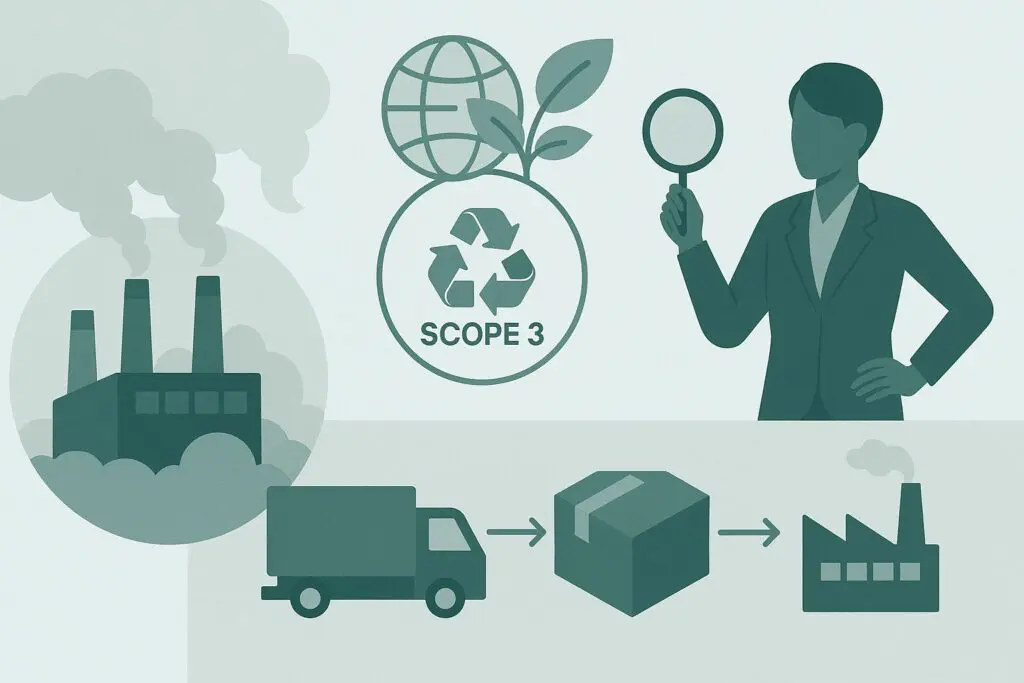
Enabling Procurement Professions to Tackle Scope 3 Emissions
Special Guest Blog Post written by Memory Mathema Tackling climate change is one of the defining challenges of our lifetime. Understanding the implications of decarbonization is imperative to eliminating the risks that come with taking a complacent approach. Our responsibility lies in understanding the impact of our operations and acknowledging the escalating urgency to transition to a carbon neutral future and reduce the environmental footprint of all business undertakings. This is not only right for individual organizations but for the good of the whole society. South Africa ranks 14th globally in carbon emissions and stands as Africa’s leading polluter. The nation’s energy intense economy highlights its crucial role in spearheading efforts to reduce the continent’s carbon footprint and achieve net zero goals. Outdated energy generation methods, particularly coal reliance for 80% of energy needs, overshadow the country’s vast potential in hydrogen, solar and wind power. Both public and private sectors are recognizing the need for sustainable alternatives and are transitioning towards greener energy sources, fostering a shift towards sustainable carbon neutral supply chains. Addressing Scope 3 emissions, which constitute a significant portion of global greenhouse gas emissions, is necessary to delivering carbon neutrality across operations. Organizations must entrench an…