

More
agentic AI
January 19, 2026
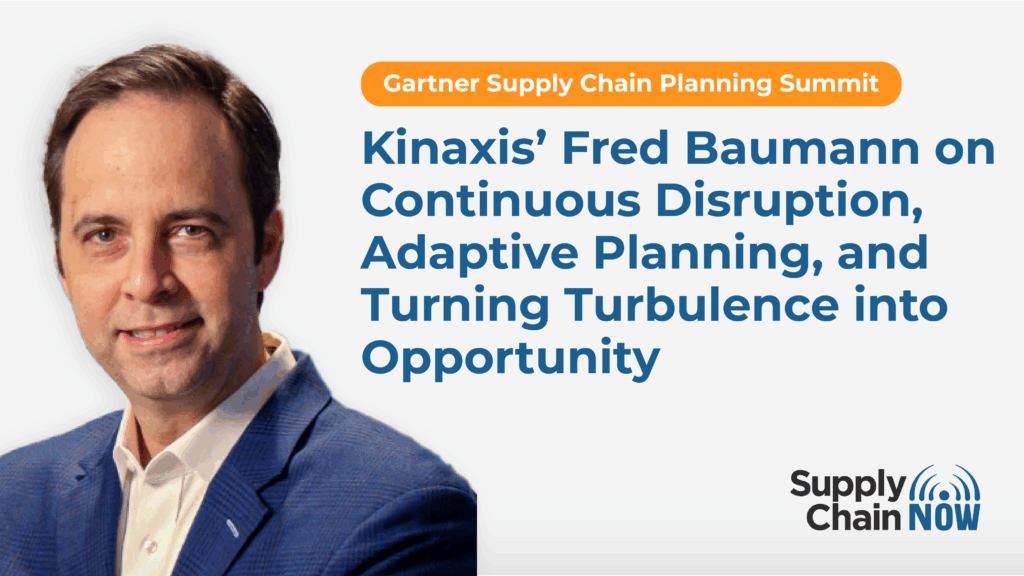
Kinaxis’ Fred Baumann on Continuous Disruption, Adaptive Planning, and Turning Turbulence into Opportunity
At the 2025 Gartner Supply Chain Planning Summit in Denver, Scott Luton sat down with Fred Baumann, Senior Industry Principal at Kinaxis, one of the world’s most recognized leaders in supply chain planning and orchestration. Kinaxis has spent over four decades shaping the planning landscape and has been named to the Gartner Leaders Quadrant an extraordinary 11 consecutive times—a testament to its execution strength and long-term vision. Baumann’s role at Kinaxis centers on helping chief supply chain officers and senior leaders shape their strategic transformation roadmaps, quantify value, and build the business cases necessary to achieve breakthrough outcomes. From Episodic Disruptions to Continuous Turbulence When asked about old and new challenges facing supply chain planning teams, Baumann observed a major shift: disruption is no longer episodic—it’s continuous. Historically, companies faced major disruptions every few years. Today, volatility and constraint-related challenges—whether driven by tariffs, sourcing changes, geopolitical shifts, or supply shortages—are unfolding weekly or even daily. This environment demands a new way of working. The speed of global business is accelerating, and uncertainty is at historic highs. As Baumann noted, organizations must now adjust their supply chains “much faster than they had to even last year.” The shift isn’t only…
December 10, 2021
This Week In Supply Chain Now: December 6th – December 10th
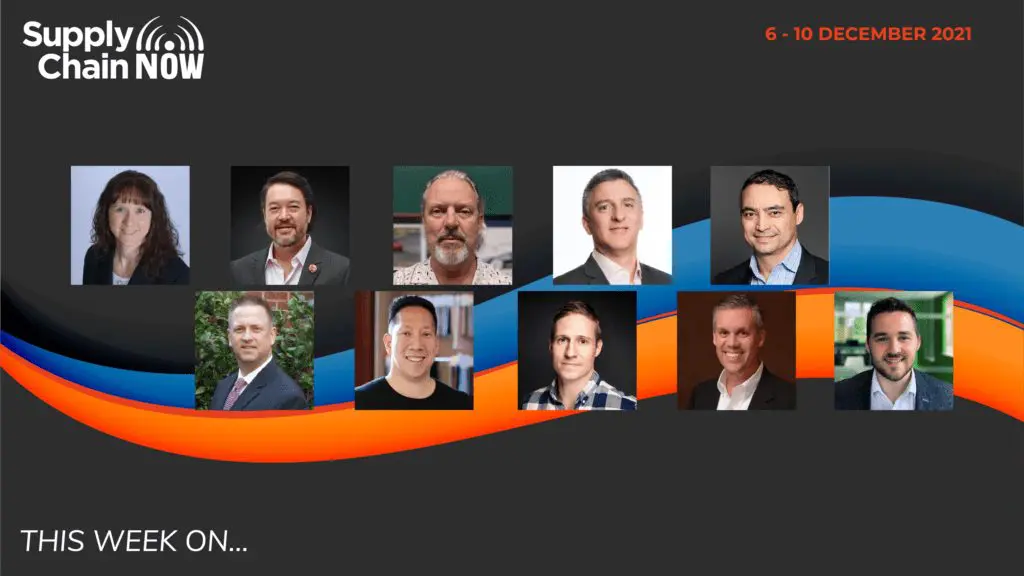
Stay up to date on all the latest conversations, interviews, and episodes we released this week here at Supply Chain Now! We started this week off with an episode of Dial P for Procurement with host Kelly Barner. She is accompanied by Bull Demartino Chief Product Officer and Constantine Limberakis the Senior Director of Product & Solutions Marketing for Riskmethods. During this show, the real meaning of creating a demand for new risk management gets discussed. In Monday’s episode of This Week In Business History, Kelly Barner shares the very interesting story of Clarence Birdseye, inventor and innovator of the frozen foods industry. Kelly talks about the initial challenges that Birdseye had to endure to become the legacy it is today. On Tuesday, we published an episode of Supply Chain Now with host Scott Luton and special co host Kelly Barner. This episode features Bob Gay, Rebate & Incentive Program Specialist for Advance Auto Parts. Scott Weir, the former Vice President of Purchasing for Thos. Sommerville Co, and Oisín Cooke the solutions consultant at Enable. They all put an emphasis of rebates and how they can be an effective way to reward and incentivize specific buying patterns and behaviors. On…