

More
human factor in supply chain
March 4, 2026
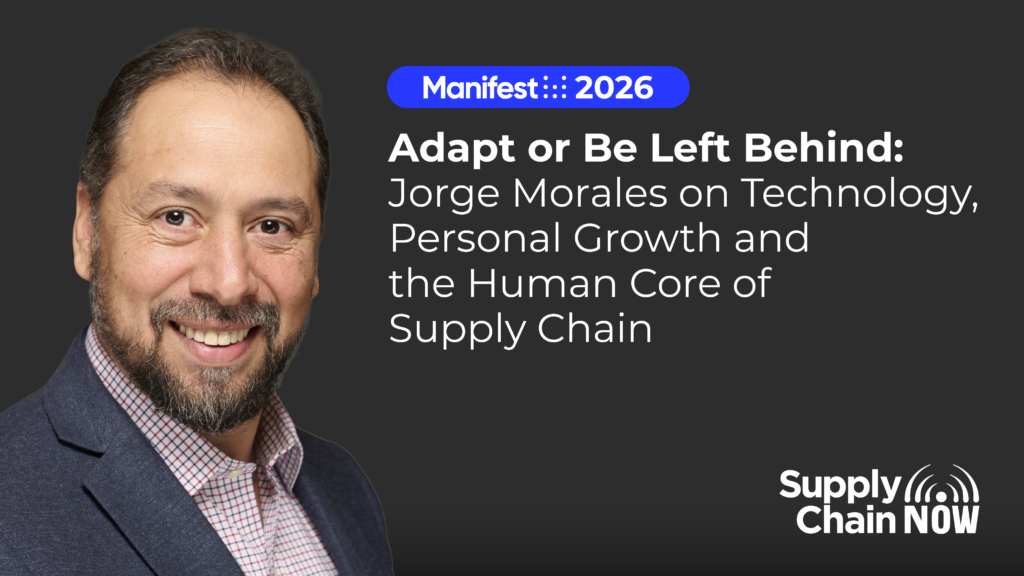
Adapt or Be Left Behind: Jorge Morales on Technology, Personal Growth and the Human Core of Supply Chain
At Manifest 2026, Scott Luton spent time with his friend, Jorge Morales, Global Chief Operating Officer of the International Supply Chain Education Alliance (ISCEA), for a conversation that centered not on hype, but on growth. ISCEA is a global certification body serving supply chain professionals around the world. But as Morales put it, “We’re in the knowledge business; but most of all, we’re in the personal growth business.” Through certifications, membership programs, advisory boards, and global events, ISCEA empowers professionals to stay current, expand their networks, and advance their careers. In a volatile era, that mission has never been more relevant. Beyond the AI Hype Cycle When asked about dominant themes from 2025 to 2026, Morales pointed to a shift in how the industry views technology. “Last year we were still in the bubble of the hype of AI,” he said. Many professionals feared being replaced or assumed AI would solve everything overnight. That perspective has matured. “Technology by itself is not what determines your level of success,” Morales explained. “Understanding the basics, knowing how things work; THAT is key.” AI and data tools remain critical across procurement, logistics, manufacturing, planning and more. But success depends on how organizations…
April 23, 2021
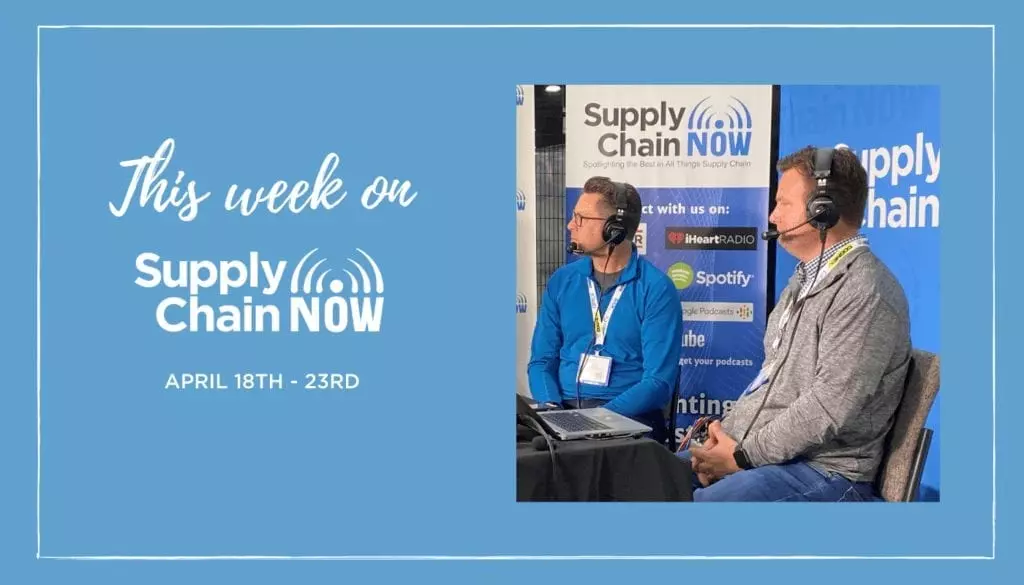
This Week In Supply Chain Now: April 18th – 23rd
Listen up! Catch up on all the latest episodes, interviews, conversations, and livestreams from this week right here. On Monday, we released 3 new episodes! On Supply Chain Now, hosts Scott Luton and Ben Harris welcomed Colton Griffin, CEO of Flourish Software, to talk about how the supply chain for cannabis operates and how it could influence the modern supply chain. On This Week in Business History, host Scott W. Luton dives into 10 things that you may not know about the Suez Canal, a modern engineering marvel that has been the subject of global fascination recently. On Supply Chain Now en Espanol, hosts Enrique and Jose Miguel welcome Ignacio Alcalde with TW Logistica to the podcast. On Tuesday, we released 2 new episodes. On this episode of TEKTOK, powered by Supply Chain Now, hosts Karin Bursa and Scott Luton welcome Transplace CEO Frank McGuigan to the podcast to discuss how disruptions drive supply chain innovations and advancements. On TECHquila Sunrise, host Greg White sat down with Peter Stangeland, Chief Commercial Officer of DB Schenker, to talk about the exciting progress his teams have made in clearing the path to sustainability through innovative forms of transportation and his advice for…