Peak Season Logistics: How Smart Inbound Flow Drives Golden Quarter Profits
Special Guest Blog Post from e2open
From demand sensing to dynamic allocation, here’s how leaders turn peak season logistics into profit
Call it Q4, The Golden Quarter, or Peak Season—it’s the 100-day sprint through fall and winter holidays where profits soar, plans tighten, and one slip leaves you scrambling through January.
Across peak season logistics, most companies obsess over outbound speed. Yet the real winners are brands that master inbound logistics flow months earlier. Getting the right inventory to the right locations isn’t glamorous, but it’s where the margins live.
Every peak season playbook demands strategic evolution. Rerun last year’s strategy this quarter and you’ll sink—unless you’ve built sophisticated inbound logistics capabilities, airtight supplier partnerships, and precise forecasting to anticipate market shifts.
With the right strategy, you can stride into the Golden Quarter. That means:
- Smarter forecasting that detects demand shifts before they hit
- Sharper allocation that puts inventory exactly where it’s needed
- Replenishment planning that maintains flow under pressure
- On Time in Full (OTIF) execution that keeps products moving and shoppers happy
In peak season, accuracy wins. Miss inbound positioning, and your bottom line misses too.
Inbound planning: The difference between stockouts and sales
Golden Quarter demand isn’t just big—it’s chaotic. One week a product’s flying off shelves in New York, the next it’s gathering dust in Dubai.
Predicting where consumers will actually buy requires analytics that account for shifting consumer behavior. Many firms still lean on historical averages and static allocation models, assuming past patterns will hold steady in markets that constantly evolve. The result? Pallets of stock in the wrong zip code, while high-demand regions face stockouts.
During this 100-day holiday sprint, traditional inventory positioning faces predictable break downs:
- Forecast error compounds, consumer behavior shifts overnight, and regional patterns morph with every TikTok trend or weather swing.
- Demand volatility creates stockouts in high-velocity markets and excess in slow movers.
- Forecasting without granularity —and the slow response to emerging demand signals—fuels mismatched inventory that spirals into expedited freight, emergency transfers, lost sales, frustrated customers.
Without smarter inbound logistics planning, even sophisticated outbound delivery networks can’t compensate for mismatched inventory.
Four steps to smarter peak season inventory positioning
Winning the Golden Quarter starts with four coordinated steps:
- AI-driven demand sensing pulls signals from point of sale (POS) data, online trends, weather forecasts, and promotions to build a sharper picture of where demand is heading.
- Dynamic allocation models replace historical distribution and redirect inbound shipments to match live demand.
- Cross-docking hubs route inventory to high-demand fulfillment centers.
- Real-time replenishment planning maintains inventory flow as consumer behavior patterns shift.
Think of it as multi-echelon optimization: coordinating warehouses, distribution centers, and retail shelves to operate as one integrated network instead of in isolated teams.
Peak season chaos is inevitable, but emergency redistribution, fast-track transfers, and automated triggers can help stop stockouts from reaching customers. Connected platforms provide end-to-end inventory visibility, flag demand surges early, and eliminate manual lag, so your network stays resilient and cost-efficient.
Inbound execution: Where peak season plans become reality
Smart inventory management requires inbound execution.
Supplier collaboration is where strategy becomes reality. Shared forecasts, vendor performance scorecards, and capacity planning ensure raw materials and finished goods flow into your network at the pace the season demands.
Flexibility matters, too.
Adaptive receiving windows help carriers and suppliers keep freight moving when volumes spike. Priority routing ensures critical replenishment shipments don’t sit behind slower-moving goods.
Using machine learning, logistics route optimization software can balance cost, speed, and capacity, so every load contributes to overall resilience. The leaders in peak season logistics don’t just “make do.” They orchestrate.
Your action plan: How to prepare for holiday season logistics
- Start early. Inbound wins require lead time.
- Invest in predictive capabilities. Demand sensing and AI-driven forecasting are advantages in volatile markets.
- Build strong supplier partnerships. Collaboration beats transactional-only approaches.
- Measure and improve. Track forecast accuracy, service levels, and replenishment agility.
Control peak season before it controls you
Peak season isn’t about firefighting, it’s about foresight.
The companies that nail inventory positioning and inbound flow control their peak season logistics. Smarter allocation, stronger replenishment planning, and tech-driven visibility flip peak season from firefighting to advantage.
The lesson is clear: in peak season, the battle for service levels and cost control is won not at the customer’s doorstep, but in how you prepare months before.
Contact us here to discover how our tailored solutions can help you master inventory positioning, streamline inbound flow, and win the Golden Quarter.
More Blogs
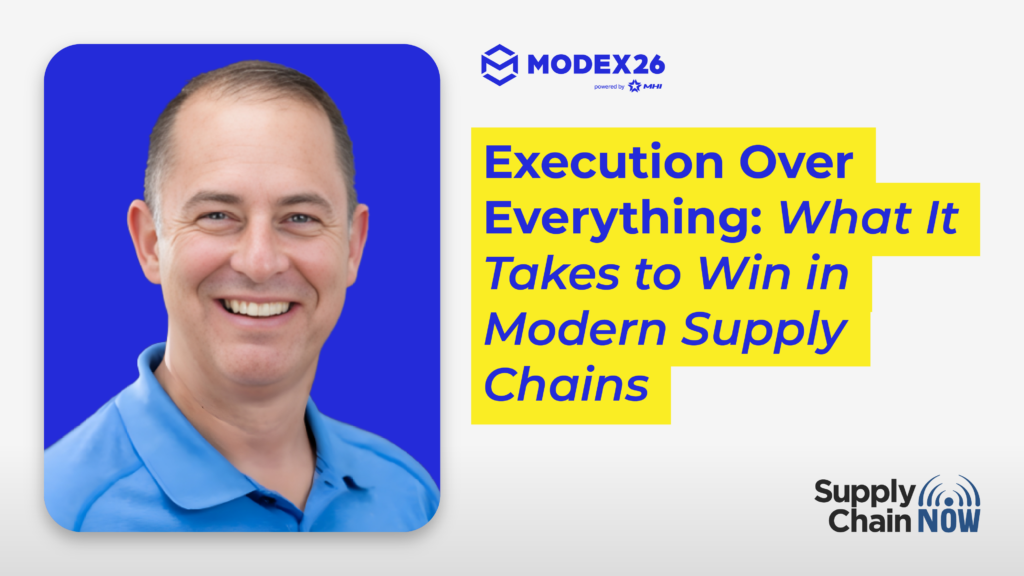
Execution Over Everything: What It Takes to Win in Modern Supply Chains