
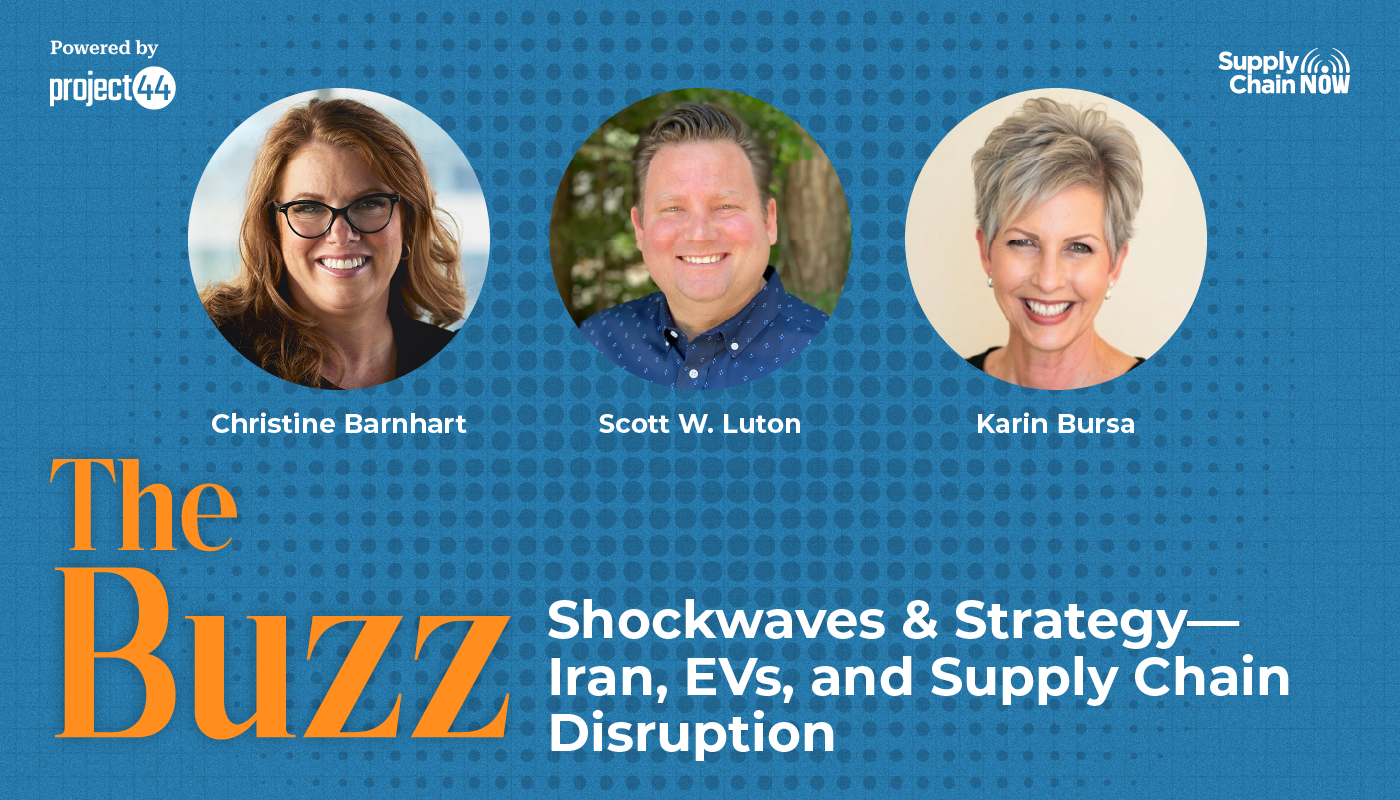
Geopolitical tensions are rising, supply chains are shifting, and innovation isn’t slowing down—on this episode of The Buzz, we break down what it all means and why it matters now… welcome to The Buzz, powered by project44!
tag Archives:
The Titanium Economy: How AI and Supply Chains Are Reshaping Industrial Competitiveness
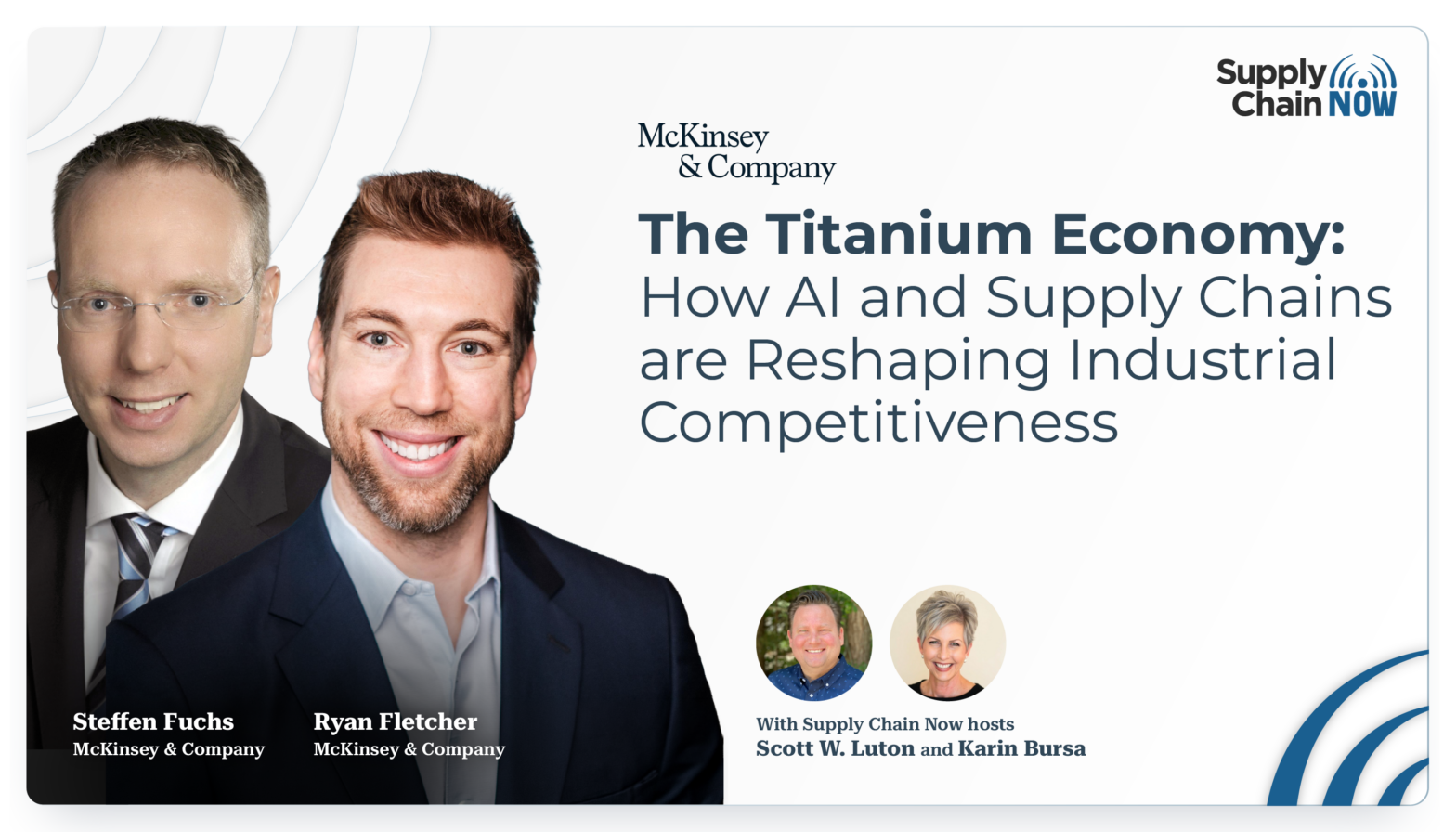
Some of the most influential companies in today’s economy rarely make headlines. Known as the titanium economy, these small and mid-sized industrial businesses supply the parts, systems, and expertise that keep global supply chains operating.
ChatGPT Is Just the Beginning for Shipping
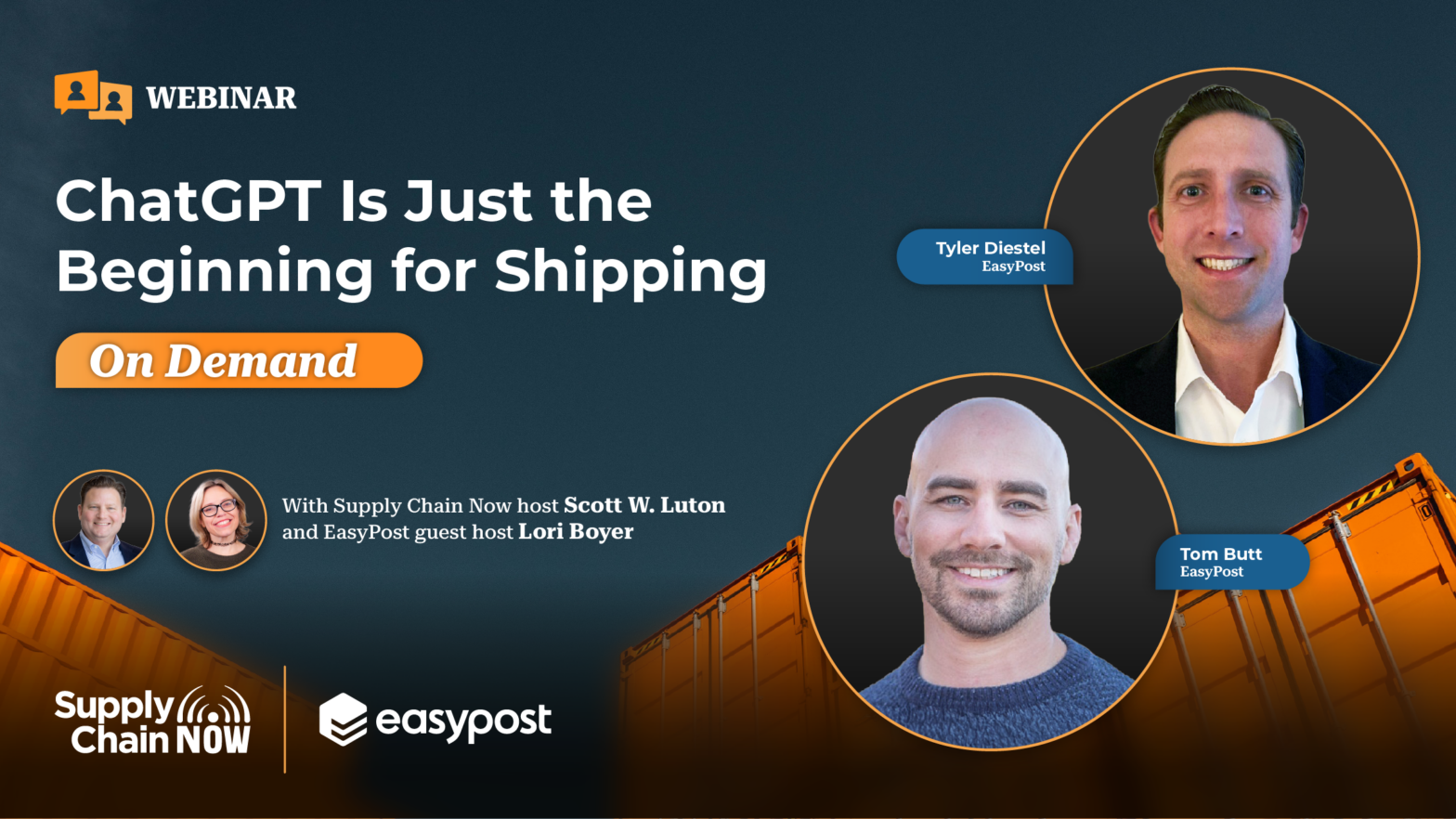
Right now, teams are poking at LLMs like ChatGPT to see what they can do. In 2026, those abilities will become sharper, faster, and far more operational. This webinar walks you through how large language models are currently being used in shipping and how that usage is evolving in real-time. Expect real examples, honest limits, and a preview of the industry’s first shipping-specific LLM, Luma Advisor.
From Store Shelves to Community Impact: Tony Zuazo’s Journey

Global supply chains are navigating an era marked by evolving challenges and opportunities. As technological advancements such as AI continue to reshape the landscape, leaders must adapt to the constant pressures of global uncertainty.
Aim High – From Airman to Chief Master Sergeant of the Air Force: The Journey of JoAnne Bass
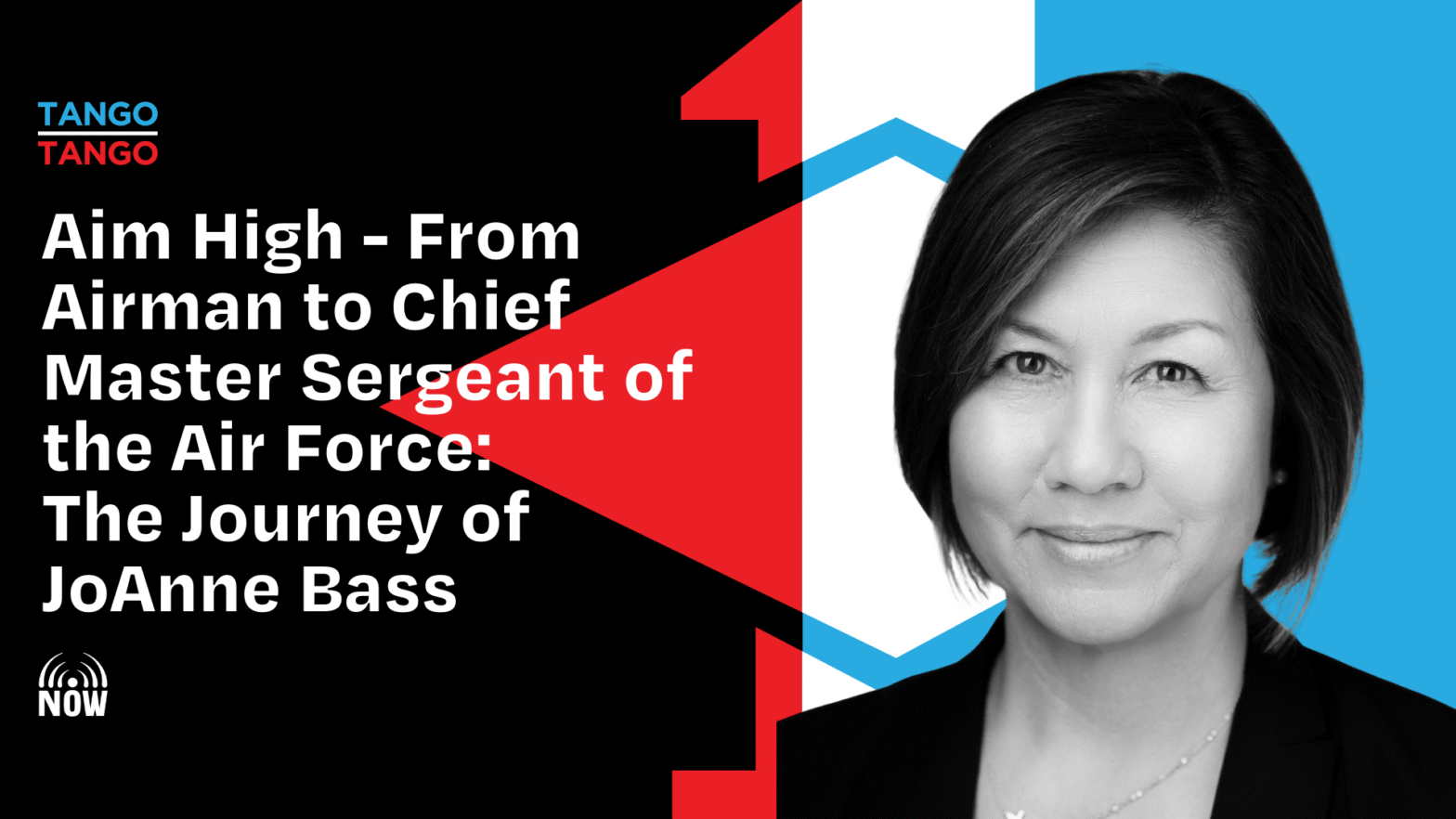
Nobody trains and educates better than the military. That belief, shaped by decades of service and leadership, continues to guide how she develops people and advises organizations today.
How AI Is Transforming Supply Chain Decision Making in 2026
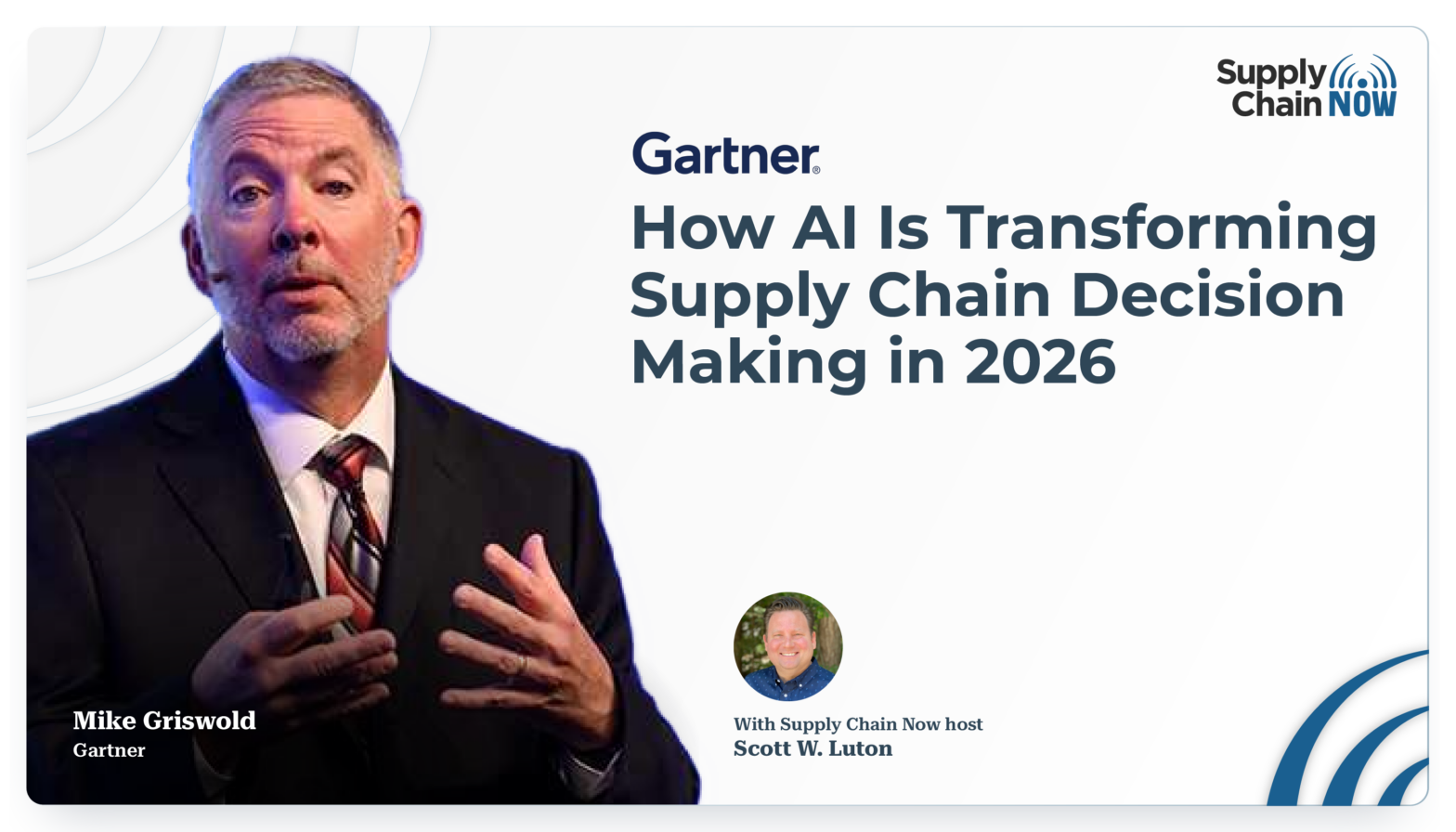
Global supply chains are at an inflection point as geopolitical uncertainty collides with rapid AI advancement and rising performance expectations. Leaders must decide when to invest, where to modernize, and how to stay ahead.
Analysis of the Q4 2025 U.S. Bank Freight Payment Index
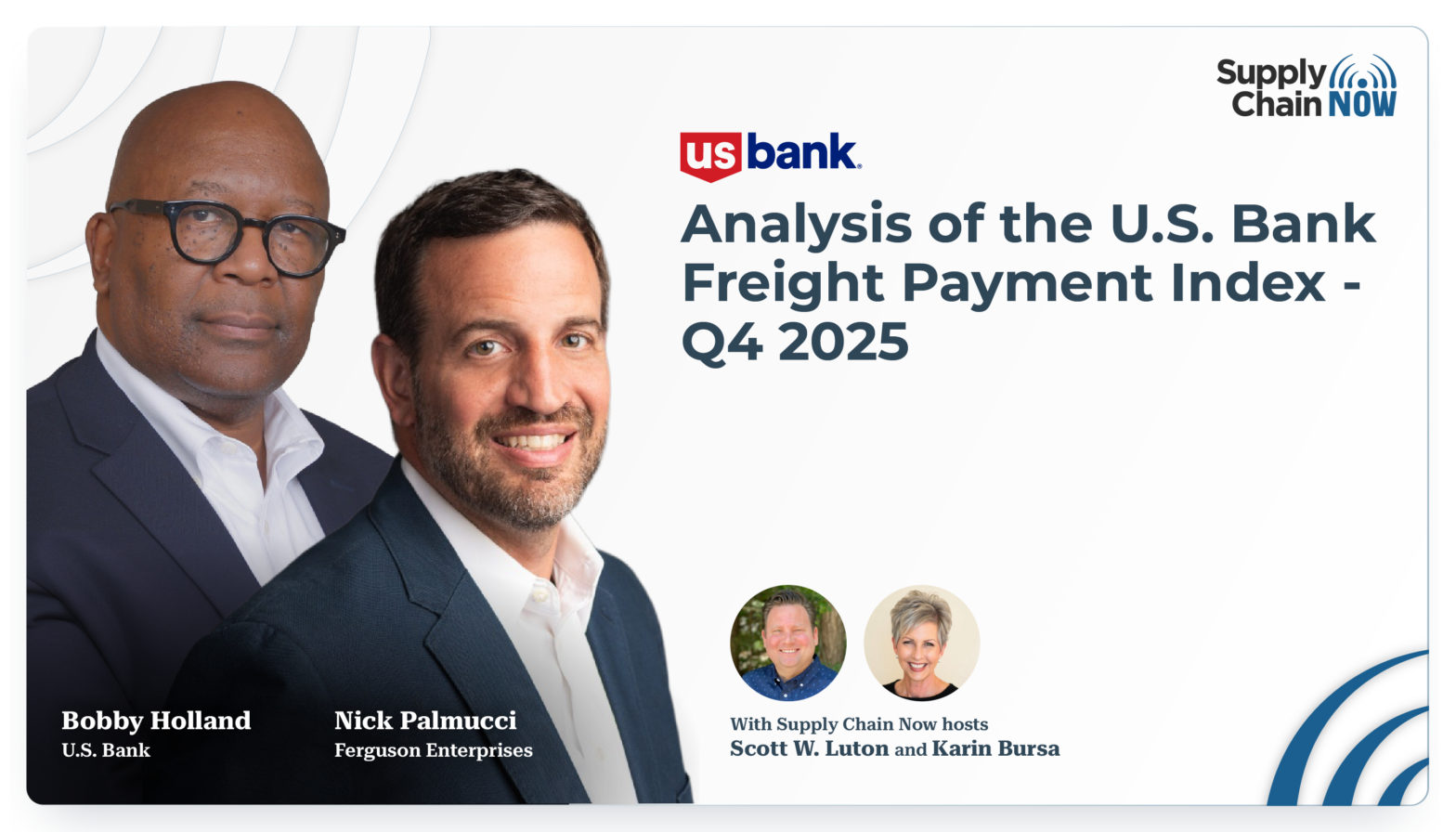
As the freight market tightens and costs rise, supply chain leaders must plan ahead, strengthen carrier ties, and stay agile. In this episode of Supply Chain Now, Scott Luton and special guest host Karin Bursa sit down with Bobby Holland of U.S. Bank and Nick Palmucci of Ferguson Enterprises to discuss the latest U.S. Bank Freight Payment Index for Q4 2025. They unpack what “freight market tightening” looks like in practice, with capacity shrinking, shipper spend climbing, and regional performance moving in different directions, from strength in the Northeast to weakness in the Southwest.
Returns at a Crossroads: The State of Reverse Logistics & Circularity
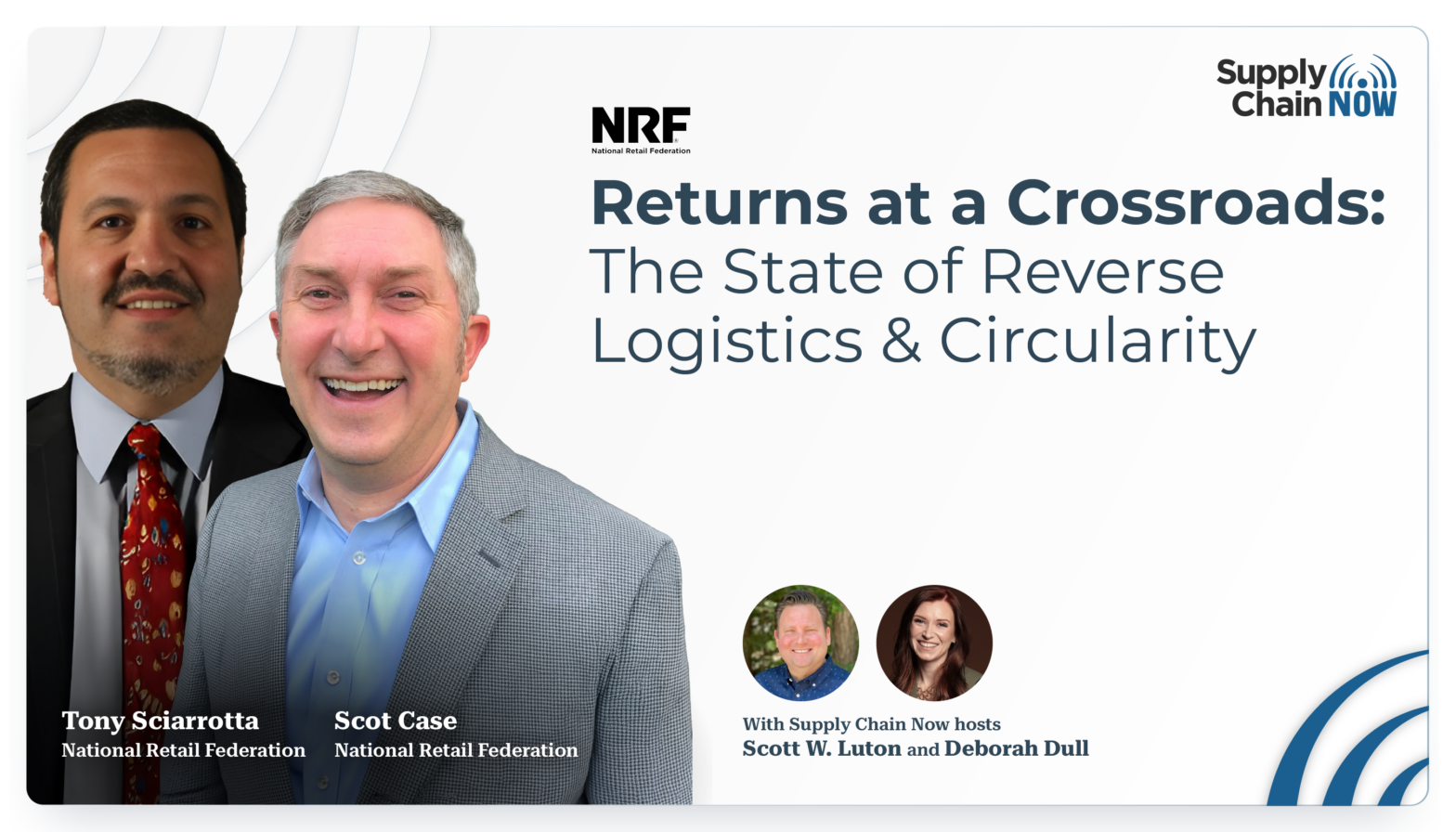
Returns are no longer just a headache, they’re a strategic opportunity. As the circular economy gains momentum, reverse logistics is quickly becoming one of the most important levers in modern supply chains.
The Now Generation: Teaching Supply Chain with Simulations, Stories, and Systems
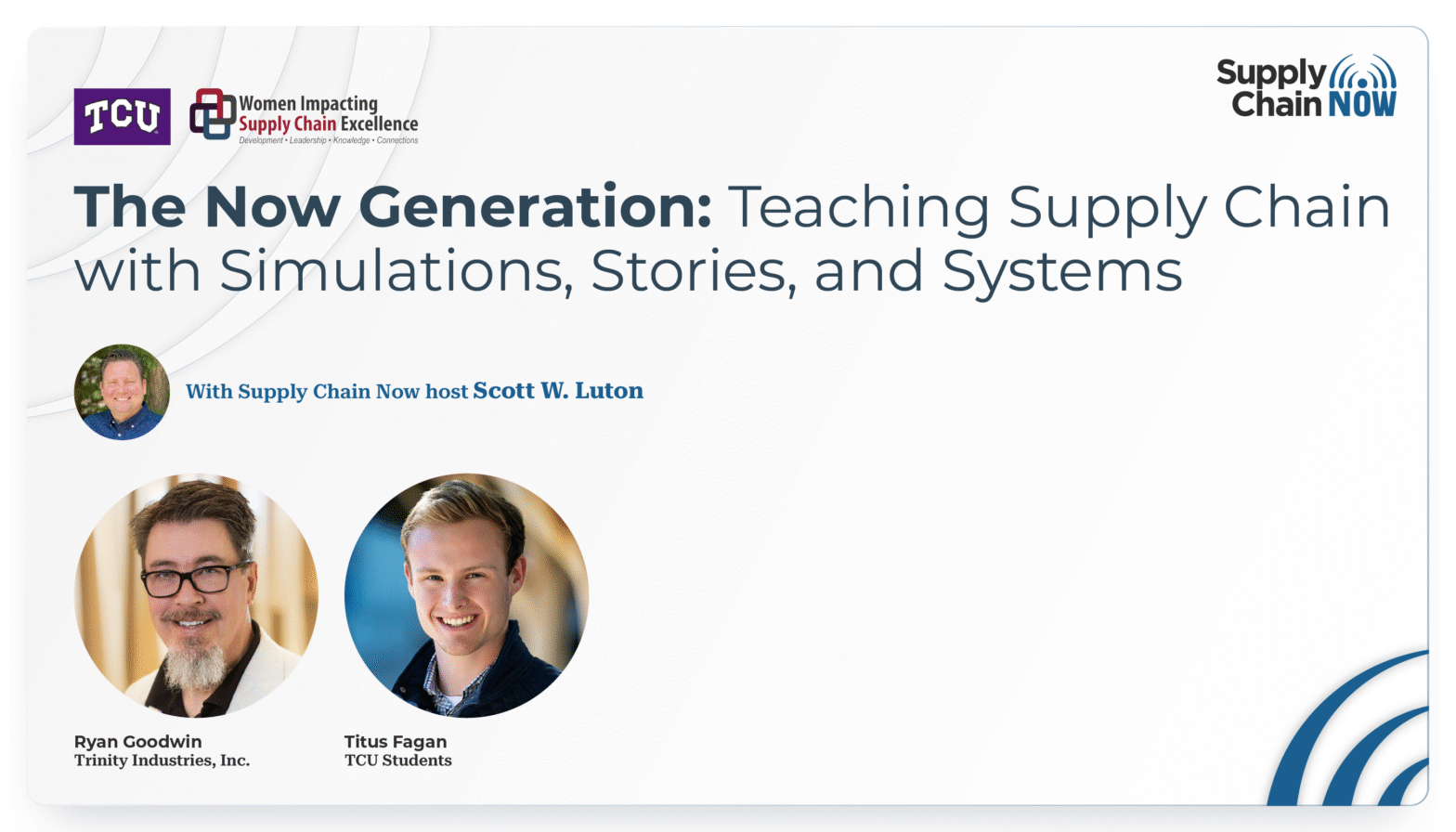
As supply chain technology accelerates, the ability to translate operational knowledge into scalable systems is becoming a defining advantage for both companies and early-career talent. In this episode of Supply Chain Now’s Now Generation series, Scott W. Luton sits down with Ryan Goodwin, Sr. Director of Supply Chain Technology & Innovation at Trinity Industries and an adjunct professor at Texas Christian University, alongside Titus Fagan, TCU Student Body Vice President and a third-year accounting major with a minor in energy business.
Solving Warehouse Execution Gaps in the SMB Market

Warehouse operations often highlight the gap between business strategy and execution, particularly as small and mid-sized companies grow. Challenges like fulfillment pressure, inventory inaccuracies, and manual workarounds can turn warehouses into bottlenecks that hinder organizational efficiency. When teams lose confidence in their data, scaling becomes more difficult, leaving leadership reactive instead of proactive.
Building the Foundation for Agentic AI in the Modern Supply Chain
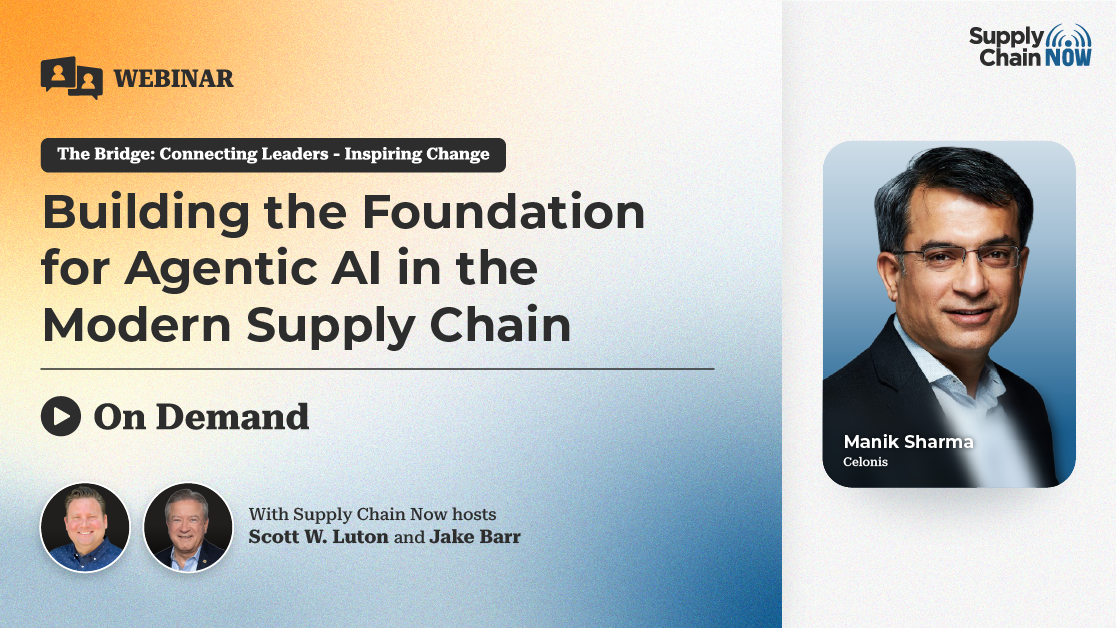
In this Agentic Age, Supply chain leaders are racing to adopt AI—but isolated solutions and disconnected systems often limit real impact. The true promise of AI emerges only when we reimagine the supply chain as a fully connected enterprise, breaking down decades-old silos across planning, logistics, materials, finance, and sustainability.
Building the New Manufacturing Workforce
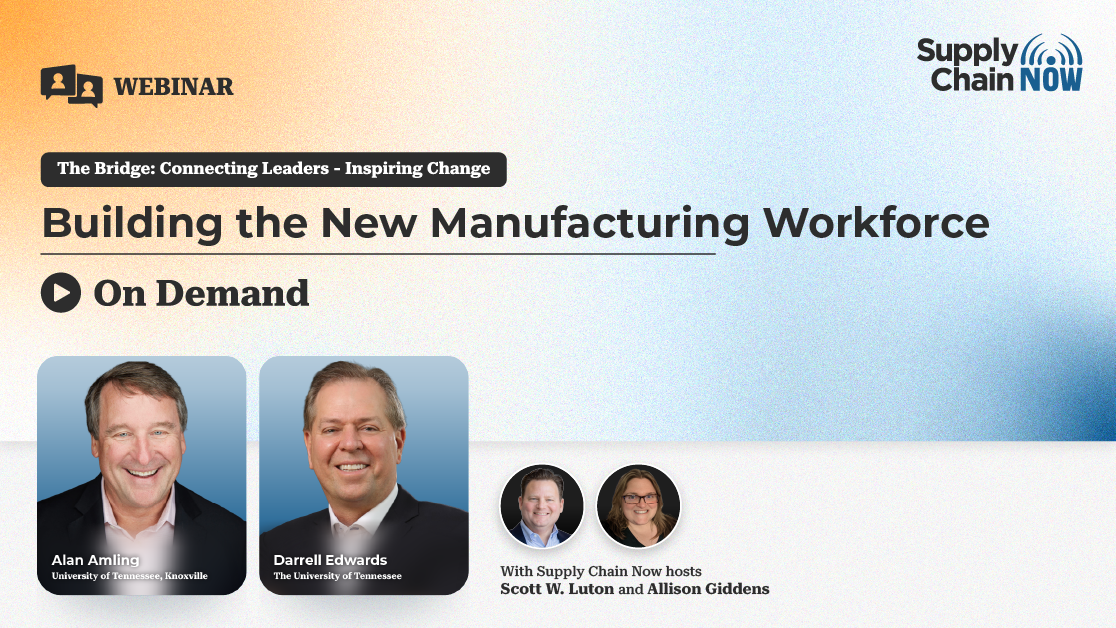
As strategic forces push manufacturing back to America, one obstacle threatens progress: finding the right people with the right skills. Before new factories can produce anything, they must be built—requiring a new generation of skilled tradespeople such as electricians, welders, and technicians. And once these modern facilities are operational, companies report an unexpected challenge: the biggest talent gaps aren’t just technical, but also in core soft skills like leadership, critical thinking, and communication.