Taming Inbound Logistics: A Playbook for Multisupplier Sourcing
Special Guest Blog Post from Emo Trans
The unpredictable economic landscape has produced unprecedented challenges within inbound logistics. Company leaders must navigate global disruptions and shifting consumer demands as they reshape their supply chains. Amidst the adversity, multisupplier sourcing has become a strategic advantage instead of a contingency plan. Follow this approach to equip business leaders with actionable insights.
What Is Multisupplier Sourcing?
Multisupplier sourcing involves purchasing products or services from two or more suppliers. This strategy differs from organizations using just one supplier. Diversifying the base requires establishing and managing relationships with multiple vendors. A robust network lets you be more agile as the market changes.
Multisupplier sourcing has gained traction in the last five years. A 2022 McKinsey survey said 81% of companies implemented dual-sourcing strategies — an increase of 26 percentage points since 2020. Sixty-nine percent of respondents said this approach will continue to be relevant through the decade. The survey noted changes in inventory, sourcing and regionalization to boost resilience.
Why Businesses Use Multisupplier Sourcing
Increasingly complex supply chains have made businesses reevaluate traditional sourcing models. Multisupplier sourcing has emerged as a popular strategy to improve operational efficiency and resilience. Here are three key benefits that motivate supply chain leaders and unlock new growth opportunities.
Diversifying Risk
Using two or more suppliers is strategic and essential for businesses, especially those with global ties. Multisupplier sourcing enhances resilience by reducing the impact of disruptions. If one partner has issues, the others can fill the gap until the problems are resolved. Supply chain leaders benefit from greater flexibility and agility as demand fluctuates.
Creating Competition
Having multiple suppliers is beneficial because it creates healthy competition. Supply chain leaders gain negotiating power, thus enabling better pricing and service levels. This leverage is essential during high-demand seasons and unexpected events. Businesses using multisupplier sourcing can increase their delivery capacity more easily during holiday seasons.
Accessing Innovation
A broad supplier base lets supply chain professionals benefit from each one’s unique strengths and expertise. These partners typically operate in different markets and invest in distinct technologies. Therefore, your company can learn from new manufacturing techniques, digital tools and cutting-edge materials. The supplier strategy could accelerate innovation cycles and help you stay on top of industry trends.
The State of Inbound Logistics
Inbound logistics are significantly transforming in 2025 and beyond. The supply chain’s digital transformation has empowered businesses to be more productive and use multiple partners. Real-time tracking, predictive analytics and AI-driven platforms make businesses more confident when managing numerous suppliers. From cloud-based platforms to IoT sensors, these technologies improve supply chain processes.
Business leaders have become more proactive in risk management in the last three years. A 2024 Gartner survey said 73% of companies made network adjustments in two years. Supply chain resilience, agility and flexibility motivated these changes and inspired diversified approaches. These priorities are higher than cost reduction, which was more prominent before 2022.
What Are the Best Services for Consolidating Shipments From Multiple Suppliers?
Multisupplier strategies effectively diversify risk and help companies be more competitive. Supply chain professionals using this approach must consider cost control and efficiency. How can your company streamline operations and make the most of your partnerships? Consolidating shipments is the answer to improving inventory management.
EMO Trans is one of the best services for consolidating shipments from multiple suppliers. The company has over 250 offices in 120 countries, ensuring your business’s global access. It has established partnerships in air and ocean transportation to make logistics more manageable. EMO Trans offers international shipping and logistics services like warehousing, inventory control and supplier management.
What Are the Common Challenges of Multisupplier Sourcing?
Embracing multisupplier sourcing includes a new set of operational complexities. These unique challenges impact efficiency, visibility and supply chain performance. Here are three common hurdles and solutions to building a robust logistics strategy.
Supplier Coordination
Multisupplier sourcing requires constant coordination and communication between partners. Your company may encounter obstacles like time zones and languages, leading to delays and misunderstandings. Solving this issue could involve centralized supplier communications platforms to standardize reporting formats. Supplier quality agreements and consistent KPIs can address consistency issues among all parties.
EMO Trans specializes in supplier coordination from procurement to distribution. The company ensures you receive products and services in a timely manner. Its robust supply chain management solutions facilitate communication and coordination through standardized processes.
Complex Logistics
Two or more suppliers can complicate your logistics through transportation and inventory management. The diversity creates more touchpoints and varied lead times, which may lead to bottlenecks and inefficiencies. Advanced logistics management systems can improve end-to-end visibility. These platforms use predictive analytics to anticipate disruptions and optimize routing.
If your network is vast, EMO Trans helps with customized logistics solutions. The global company has extensive knowledge of customs programs to meet the international marketplace’s demands. Supply chain experts guide your business through binding rulings, parts databases and landed cost calculations.
Data Integration
Data and systems integration from multiple suppliers can create silos if each uses different formats. Your supply chain professionals may experience hindered decision-making and complicated compliance reporting. Logistics companies benefit from cloud-based supply chain platforms to integrate their data seamlessly and promote interoperability. Standardized data exchange protocols and automated information flow help consistency and supplier understanding.
EMO Trans seamlessly integrates data through advanced IT solutions and electronic data interchange (EDI). It features advanced EDI capabilities to simplify transactions like purchase orders and invoices. The global logistics company can automate these operations and facilitate data exchange with your critical partners.
The Future of Inbound Logistics and Multisupplier Sourcing
Supply chain sourcing will involve more advanced technologies in the next decade and beyond. AI and predictive analytics will continue optimizing inventory, forecasting demand and proactively managing supplier performance. Industry professionals are also turning to blockchain technology, which ensures product traceability throughout the supply chain. Multisupplier strategies benefit from blockchain’s security across partnerships.
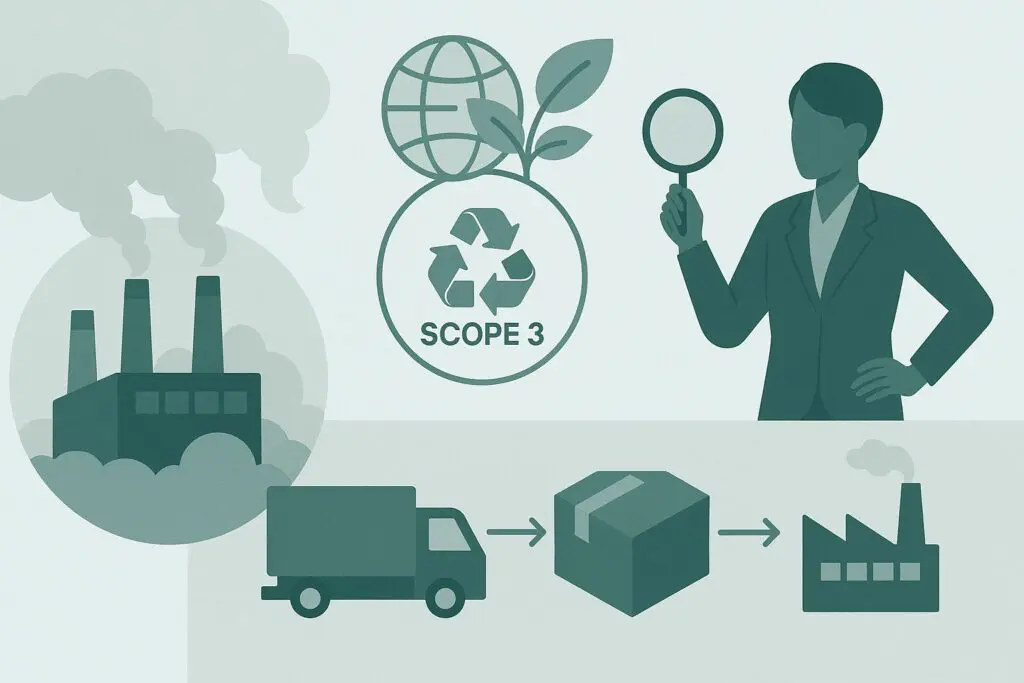
Sustainability is another key pillar for the future of logistics management. Multisupplier sourcing should include reviewing business partners for environmental and social responsibility standards. Their carbon footprint, ISO certifications and labor practices contribute to ecologically sound policies. EMO Trans has set sustainability goals like reducing scope 1 and 2 emissions 40% by 2040.
Navigating the Evolving Supply Chain Landscape
Inbound logistics trends shift annually, making multisupplier sourcing a powerful, long-lasting strategy. This approach builds resiliency, agility and innovation by diversifying your supplier base. While challenges may arise, the right partners and digital tools make tasks more manageable. Companies like EMO Trans have led the way with expertise and solutions to support your goals.
More Blogs
The Future of Supply Chains Starts With Better Questions