Thriving in the Never Normal – Lessons Learned from 5 Women Supply Chain Leaders
Written by Karin Bursa, Founder and CEO of NIRAKIO and Supply Chain Now Host
If you know me, you know I’m a supply chain nerd. I love talking about it, thinking about what’s next, and sharing success stories to inspire others who may feel overwhelmed or unsure where to start. So, when I stepped into the moderator’s chair for our recent Supply Chain Now livestream, I knew we were in for a powerful conversation. Five extraordinary women — each leading global supply chains at some of the world’s most iconic brands — came together to share how they are navigating disruption, embracing innovation, and shaping the future of supply chain leadership. As a fellow Woman in Supply Chain for over 30 years, I had to resist acting like a true ‘Fan Girl’ — I could have talked with them for hours.
The world we live in is the “Never Normal.” Volatility is constant. Technology is advancing faster than our operating models. Yet, what struck me most during our panel was the optimism and resilience each leader displayed. These women are proof that even in the face of complexity, supply chains can be transformed into engines of business growth, agility, and differentiation.
Here are some of my favorite takeaways from this incredible discussion.
Stephanie Beal – Chief Supply Chain Officer, Hasbro
“We’ve saved over $250 million in productivity and reduced 39 days of inventory since 2022. These are phenomenal results from a really energized team.”
Takeaway: True transformation is about more than numbers — it’s about unleashing a team’s potential to deliver both incremental and sustainable results.
Tamera Fenske – Chief Supply Chain Officer, Kimberly-Clark
“Innovation drives me. It’s problem-solving, reinventing, and putting supply chain at the center of transformation. And, realizing it’s the teams that bring transformation to life.”
Takeaway: Supply chain leaders must be both problem solvers and change agents, constantly reinventing to stay relevant.
Eliza Simeonova – Vice President, Global Supply, Mars Pet Nutrition
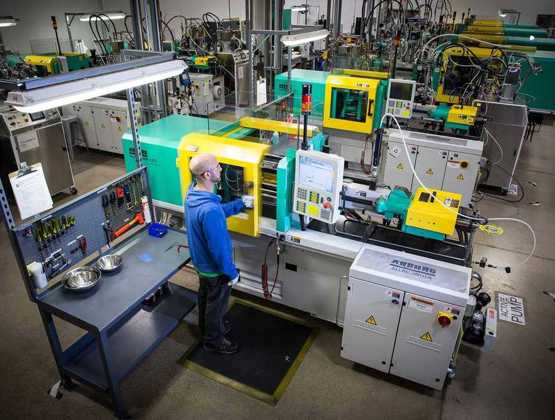
“I am energized when I enter a factory. Supply chain is where PowerPoints turn into real people and real products on the shop floor.”
Takeaway: Supply chain is not theoretical. It’s the heartbeat of execution and the bridge between strategy and customer value.
Whitney Shlesinger – Vice President, Global Planning & Logistics, McCormick
“If you like to thrive in chaos, supply chain is the place for you. It’s all about building capabilities to efficiently and effectively navigate the business through different market conditions.”
Takeaway: Agility and resilience aren’t nice-to-haves — they’re survival skills in today’s supply chain. Supply chain helps create end-to-end connectivity across all business functions.
Sylvia Wilks – Chief Supply Chain Officer, Lamb Weston
“The unlock is really an integrated value chain. You can only do that through great teamwork and collaboration.”
Takeaway: The future belongs to leaders who can integrate value chains end-to-end and build talent along the way.
Closing Thoughts
Moderating this panel reminded me why supply chain is such a rewarding field. It’s where business strategy meets execution excellence, where innovation intersects with resilience, and where leadership is redefined every day.
These five executives are thriving in the Never Normal not because it’s easy, but because they see opportunity in disruption and transformation. Their stories are a call to action for all of us: to lead boldly, stay curious, and keep rewriting the rules of supply chain leadership.
If you missed the livestream, check out the on-demand replay — and I’d love to hear your favorite takeaway! Share it in the comments or message me directly. Let’s keep the conversation going.
It’s a great time to be in supply chain!
More Blogs
Critical Mass: Inside the Coalition Building America’s Circular Supply Chain