

More
February 17, 2021
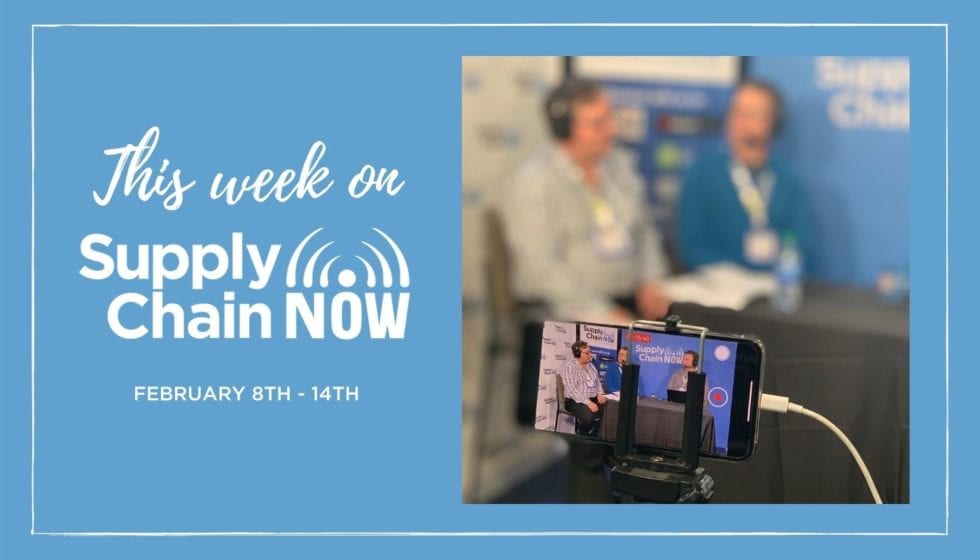
This Week on Supply Chain Now: February 8th – 14th
Listen up to the latest episodes, interviews, conversations, and livestreams from Supply Chain Now this week! On Monday, Scott Luton and guest host Will Haraway welcomed JP Wiggins with 3Gtms for a conversation on transportation management and even a little baseball! On Tuesday, Host Karin Bursa welcomed supply chain genius Criag Ablin to TEK TOK to discuss the 6 levers that drive digital and physical success. On Wednesday, we kicked off our Reverse Logistics series in partnership with the Reverse Logistics Association featuring Chuck Johnson, COO of goTRG. Tune in for a great conversation about peak returns season, with passionate opinions from Chuck, our hosts Scott, Greg, and Tony Sciarrotta, and our audience! On Thursday, Scott Luton, Greg White, and Enrique Alvarez sat down to discuss all the top news and biggest stories in supply chain this week on The Supply Chain Buzz. On Friday, Scott Luton dived into the top news in business, including industry developments in the tech and talent sector, aviation, the beverage industry, and more! And we wrapped up with a bonus livestream this Saturday to discuss Supply Chain leadership across Africa. Which was your favorite episode? Make sure…
book club
February 2, 2026
First Edition: Between the Lines by Supply Chain Now
At Supply Chain Now, we talk a lot about innovation, resilience, and what’s next for our industry. But behind every great conversation, great idea, and great community is something even more fundamental: curiosity. We read because we’re curious. We read to learn. We read to grow. And sometimes, we read simply because it’s fun! That’s why we created Between the Lines by Supply Chain Now, a space for our community to share what we’re reading, what’s making us think, and what we’re excited to recommend to others. This isn’t a traditional book club where everyone follows the same reading list. Instead, it’s a shared shelf, built by the Supply Chain Now team and our broader community. You’ll find business books and personal development reads alongside novels, memoirs, histories, and unexpected favorites. No required genres. No assigned chapters. Just real people sharing real recommendations. Because great books shape us in different ways. Some help us sharpen our skills. Some challenge how we see the world. Some help us slow down, escape, or recharge. And often, the most meaningful growth comes from reading something we never would have picked up on our own. With Between the Lines, our goal is to create…