
Demand sensing and demand forecasting are both crucial aspects of optimizing supply chains, but they do have slightly different functions in their approach and focus. Demand sensing uses real-time data and analytics to identify and respond to immediate demand fluctuations, while demand forecasting uses historical data to predict future demand over a longer period (months or years). Different methods, such as statistical modeling and machine learning, are used to enhance the accuracy and adaptability of these processes. Both areas are crucial for companies when it comes to projecting sales, managing inventory, and coordinating replenishment. In the end, the goal is to accurately predict customer demand by using predictive models to forecast future demand.
Tag Archives: decision intelligence
Leading Through Disruption: How Supply Chain Leaders Are Adapting to the “Never Normal”
Demand sensing and demand forecasting are both crucial aspects of optimizing supply chains, but they do have slightly different functions in their approach and focus. Demand sensing uses real-time data and analytics to identify and respond to immediate demand fluctuations, while demand forecasting uses historical data to predict future demand over a longer period (months or years). Different methods, such as statistical modeling and machine learning, are used to enhance the accuracy and adaptability of these processes. Both areas are crucial for companies when it comes to projecting sales, managing inventory, and coordinating replenishment. In the end, the goal is to accurately predict customer demand by using predictive models to forecast future demand.
Decision Intelligence: Turning Sustainability Goals into Measurable Results
Demand sensing and demand forecasting are both crucial aspects of optimizing supply chains, but they do have slightly different functions in their approach and focus. Demand sensing uses real-time data and analytics to identify and respond to immediate demand fluctuations, while demand forecasting uses historical data to predict future demand over a longer period (months or years). Different methods, such as statistical modeling and machine learning, are used to enhance the accuracy and adaptability of these processes. Both areas are crucial for companies when it comes to projecting sales, managing inventory, and coordinating replenishment. In the end, the goal is to accurately predict customer demand by using predictive models to forecast future demand.
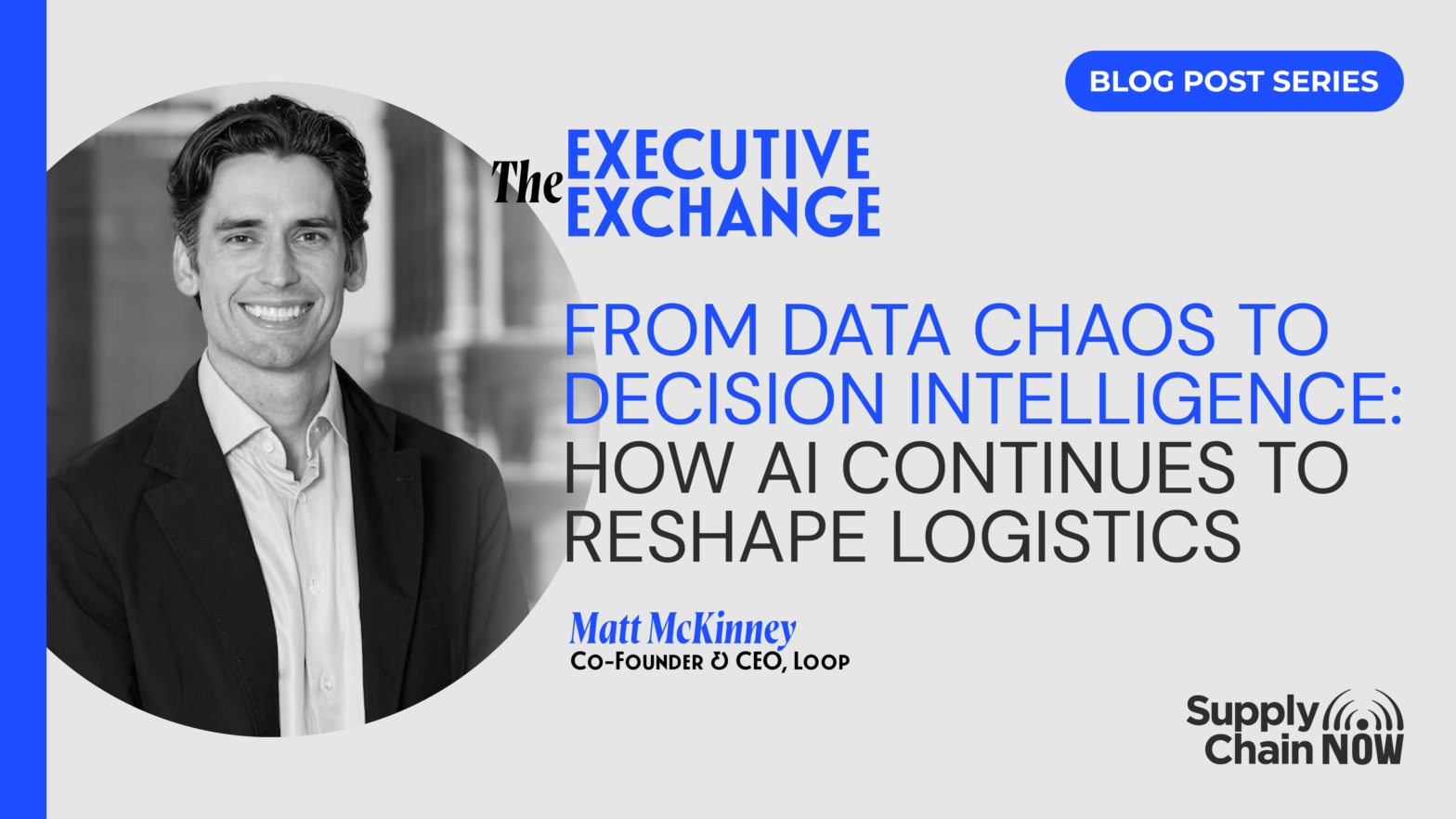
From Data Chaos To Decision Intelligence: How AI Continues To Reshape Logistics
In a recent conversation, Supply Chain Now’s Scott Luton gained perspective from Sylvia Wilks, Chief Supply Chain Officer at Lamb Weston, who shared a powerful point of view on what it takes to lead in today’s increasingly complex, high-stakes supply chain environment. Her journey, from leading transformative initiatives at Starbucks to shaping global operations at Kimberly-Clark and REI, offers a consistent message: Success in supply chain isn’t just about systems or strategy. It’s about people, integration, and clarity of purpose.