
Demand sensing and demand forecasting are both crucial aspects of optimizing supply chains, but they do have slightly different functions in their approach and focus. Demand sensing uses real-time data and analytics to identify and respond to immediate demand fluctuations, while demand forecasting uses historical data to predict future demand over a longer period (months or years). Different methods, such as statistical modeling and machine learning, are used to enhance the accuracy and adaptability of these processes. Both areas are crucial for companies when it comes to projecting sales, managing inventory, and coordinating replenishment. In the end, the goal is to accurately predict customer demand by using predictive models to forecast future demand.
Tag Archives: supply chain sustainability
Decision Intelligence: Turning Sustainability Goals into Measurable Results
Demand sensing and demand forecasting are both crucial aspects of optimizing supply chains, but they do have slightly different functions in their approach and focus. Demand sensing uses real-time data and analytics to identify and respond to immediate demand fluctuations, while demand forecasting uses historical data to predict future demand over a longer period (months or years). Different methods, such as statistical modeling and machine learning, are used to enhance the accuracy and adaptability of these processes. Both areas are crucial for companies when it comes to projecting sales, managing inventory, and coordinating replenishment. In the end, the goal is to accurately predict customer demand by using predictive models to forecast future demand.
Leading Beyond The Next Disruption
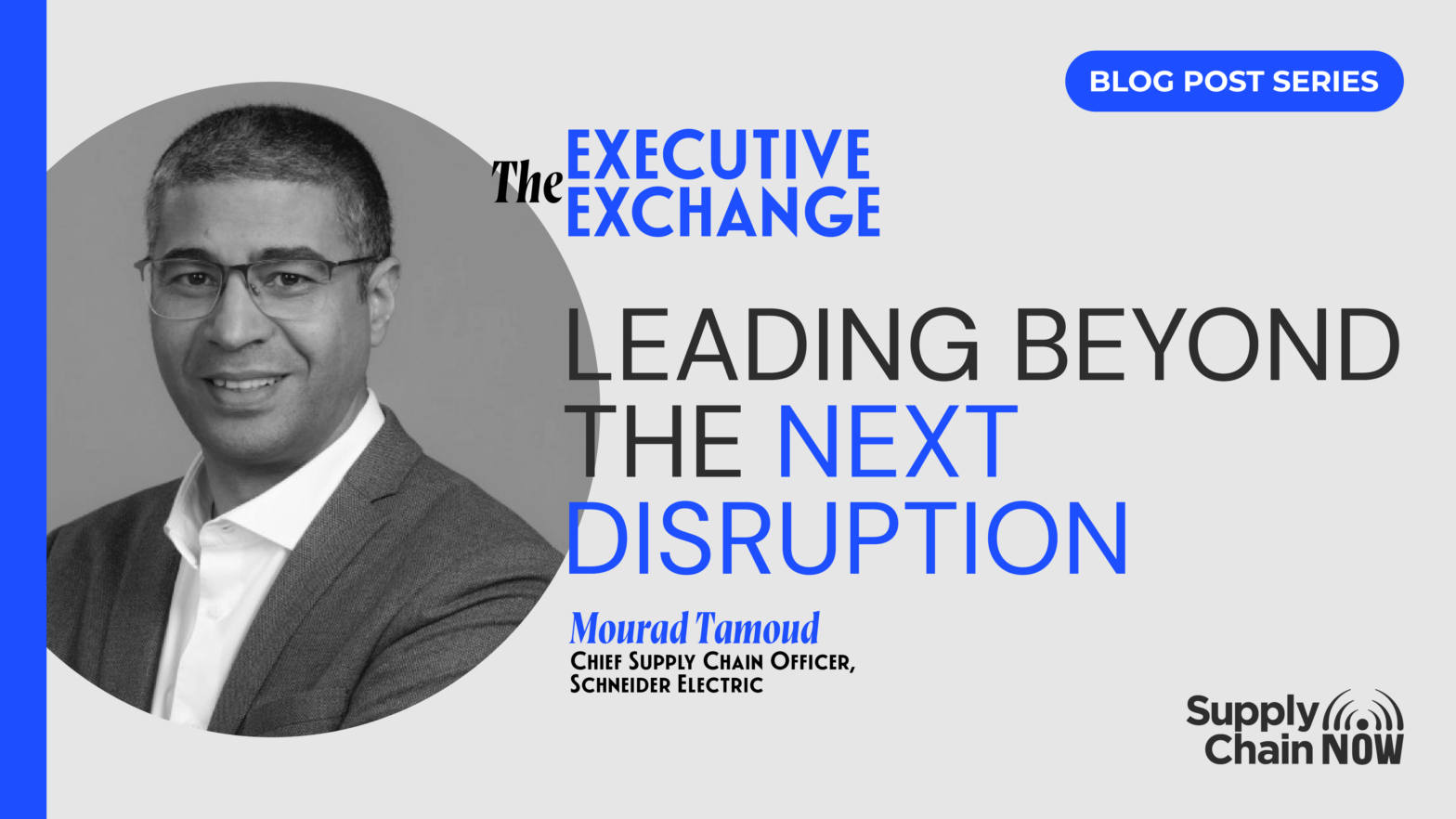
In a recent conversation, Supply Chain Now’s Scott Luton gained perspective from Sylvia Wilks, Chief Supply Chain Officer at Lamb Weston, who shared a powerful point of view on what it takes to lead in today’s increasingly complex, high-stakes supply chain environment. Her journey, from leading transformative initiatives at Starbucks to shaping global operations at Kimberly-Clark and REI, offers a consistent message: Success in supply chain isn’t just about systems or strategy. It’s about people, integration, and clarity of purpose.
The Sustainability Voice Missing From Most Boardrooms
At MODEX 2026 in Atlanta, Scott Luton sat down with Andre Luecht, Global Strategy Lead for Transportation, Logistics & Warehousing at Zebra Technologies, to explore how synchronization, visibility, and practical innovation are shaping the next phase of supply chain performance.
Critical Mass: Inside the Coalition Building America’s Circular Supply Chain
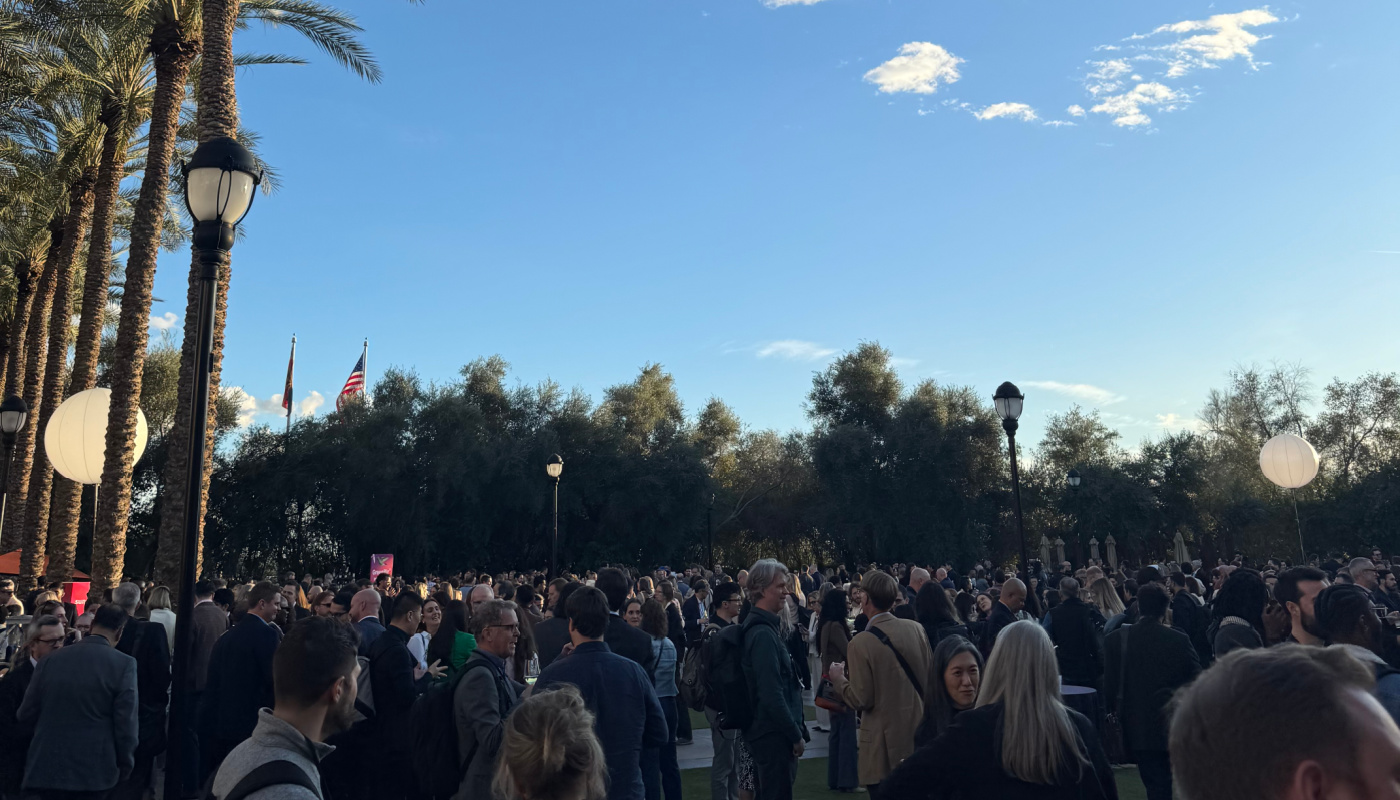
It started over drinks, 80s music, and a shared frustration that has probably launched more good organizations than any strategic planning process ever has.
Are You Sure Consumers Are the Unlock for Circularity?
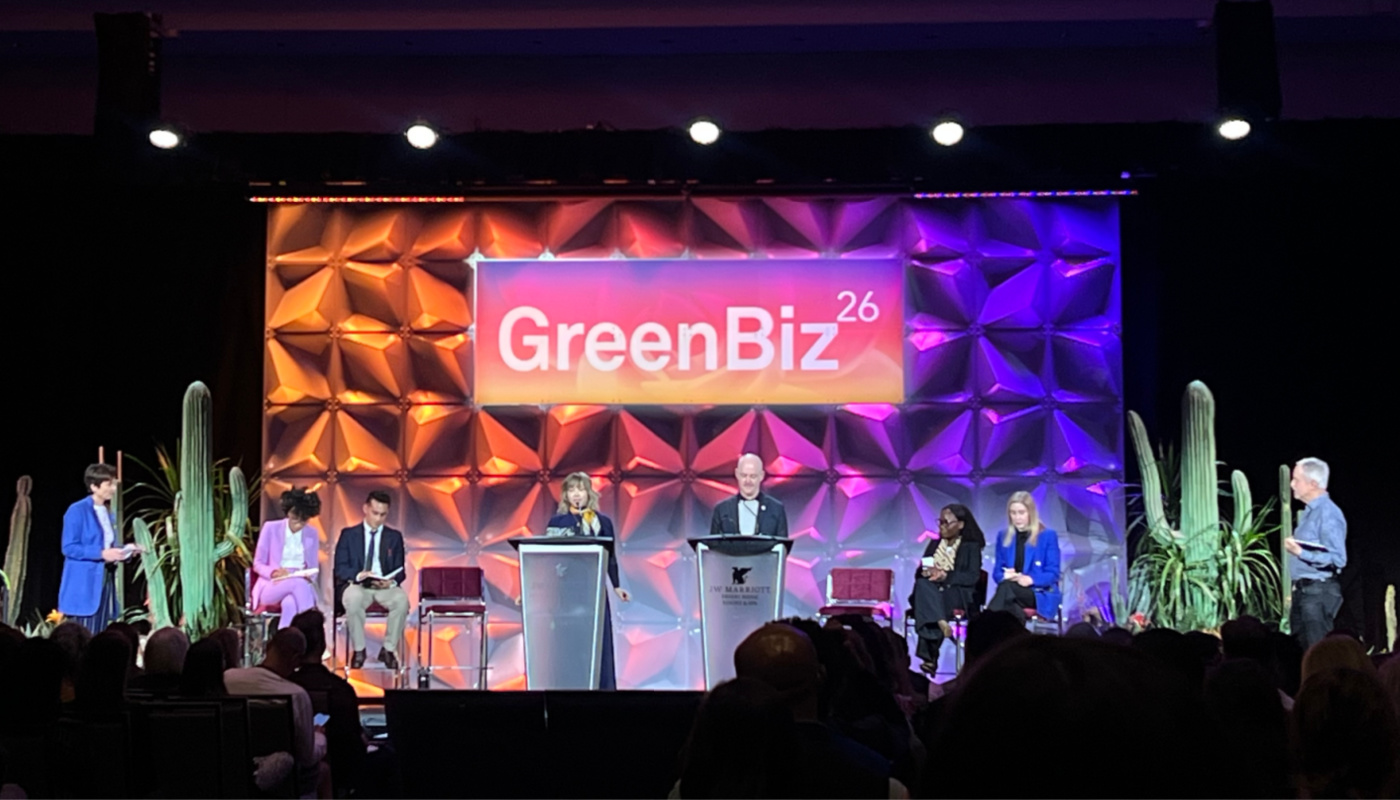
One of the most repeated excuses in the circular economy space is that American consumers just do not care enough. They will not sort their waste. They will not pay a premium for sustainable products. They will not participate in take-back programs. Europe is different, the story goes. Americans are a lost cause.
The Buzz: Supply Chain Resilience in a Shifting Landscape

In the latest installment of The NOW Generation series on Supply Chain Now, host Scott Luton welcomes special co-host Kevin Lawton, founder of the New Warehouse podcast and Adjunct Professor at Rider University, as they dive into the world of supply chain management…
Trick or Treat: The Business of Halloween Supply Chain

Join Scott Luton and Mike Griswold as they explore Halloween supply chain trends, the global chocolate crisis, and retail strategies for success…
Eco-Friendly Innovations: How Sustainable Practices Are Reshaping Supply Chains

Scope 3 emissions reportedly account for more than 70% of businesses’ carbon footprints. That huge percentage gives an indication of just how critical supply chain sustainability efforts are to the planet.
Guide to Sustainability in Logistics: Implementing Eco-Friendly Practices

The logistics and transport sector contributes about 24% of global CO2 emissions. Considering the push for supply chain sustainability across different sectors, the need for lower emissions has been heating up in recent years.