
At MODEX 2026 in Atlanta, Scott Luton sat down with Andre Luecht, Global Strategy Lead for Transportation, Logistics & Warehousing at Zebra Technologies, to explore how synchronization, visibility, and practical innovation are shaping the next phase of supply chain performance.
Tag Archives: demand planning
Your Supply Chain Isn’t Broken. Your Data Is.
Supply chain leaders are under constant pressure to move faster, reduce costs, improve resilience, and respond to disruptions in real time. Yet despite billions invested in technology, many organizations still struggle with stockouts, delayed shipments, excess inventory, and unreliable forecasts.
When Demand Spikes Overnight: A Practical Guide to Demand Signal Management
At MODEX 2026 in Atlanta, Scott Luton sat down with Andre Luecht, Global Strategy Lead for Transportation, Logistics & Warehousing at Zebra Technologies, to explore how synchronization, visibility, and practical innovation are shaping the next phase of supply chain performance.
Supply Chains That Bend, Not Break
At MODEX 2026 in Atlanta, Scott Luton sat down with Andre Luecht, Global Strategy Lead for Transportation, Logistics & Warehousing at Zebra Technologies, to explore how synchronization, visibility, and practical innovation are shaping the next phase of supply chain performance.
The Value of a Data-Driven Approach to Demand Sensing and Forecasting
Demand sensing and demand forecasting are both crucial aspects of optimizing supply chains, but they do have slightly different functions in their approach and focus. Demand sensing uses real-time data and analytics to identify and respond to immediate demand fluctuations, while demand forecasting uses historical data to predict future demand over a longer period (months or years). Different methods, such as statistical modeling and machine learning, are used to enhance the accuracy and adaptability of these processes. Both areas are crucial for companies when it comes to projecting sales, managing inventory, and coordinating replenishment. In the end, the goal is to accurately predict customer demand by using predictive models to forecast future demand.
4 Ways That End-to-End Demand Planning Has & Hasn’t Changed
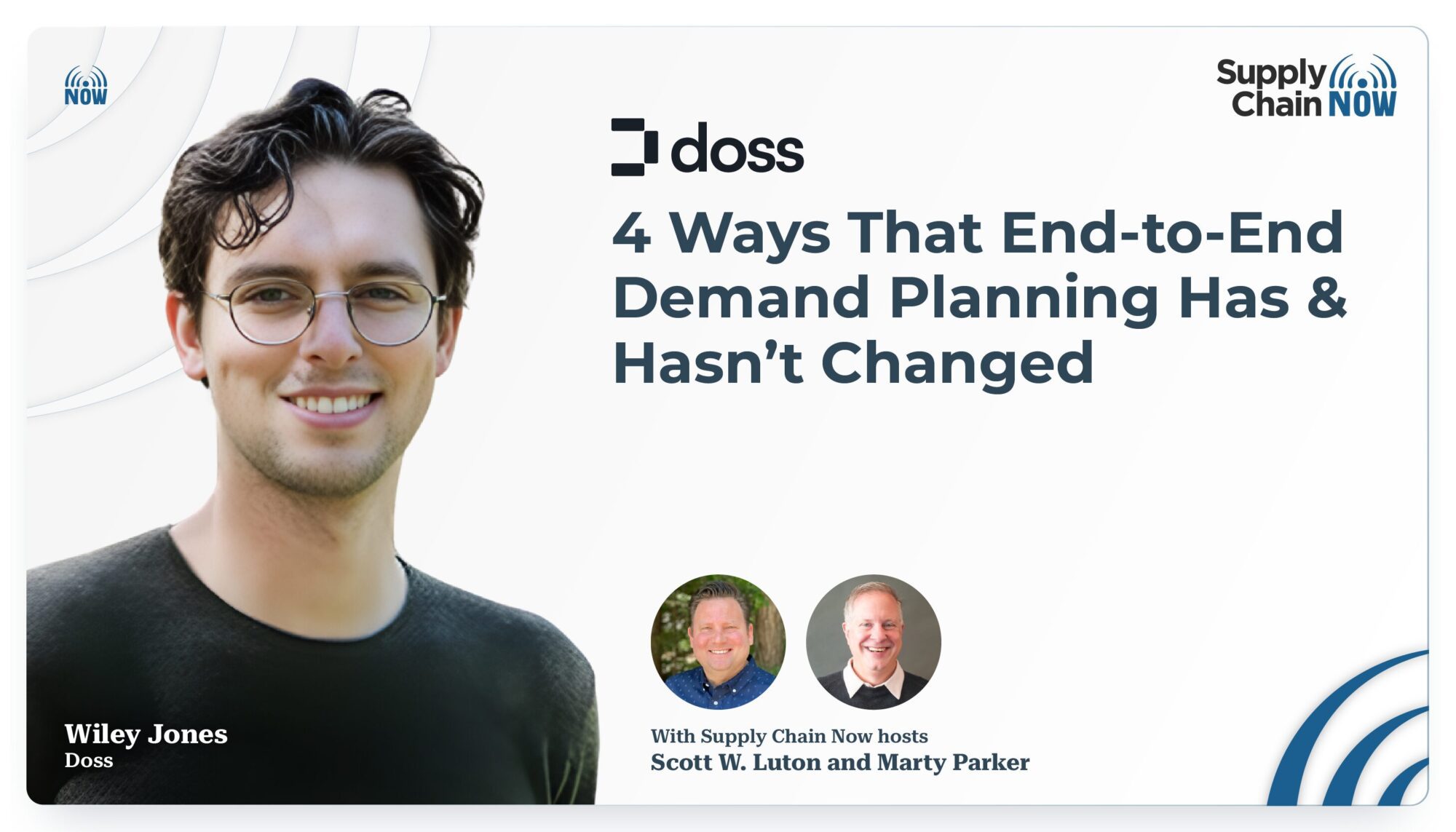
In this episode of Supply Chain Now, Scott Luton and Marty Parker welcome back Wiley Jones, Co-Founder and CEO of Doss, to discuss the evolving world of demand planning and supply chain optimization.
The Buzz: Transforming Supply Chain Planning
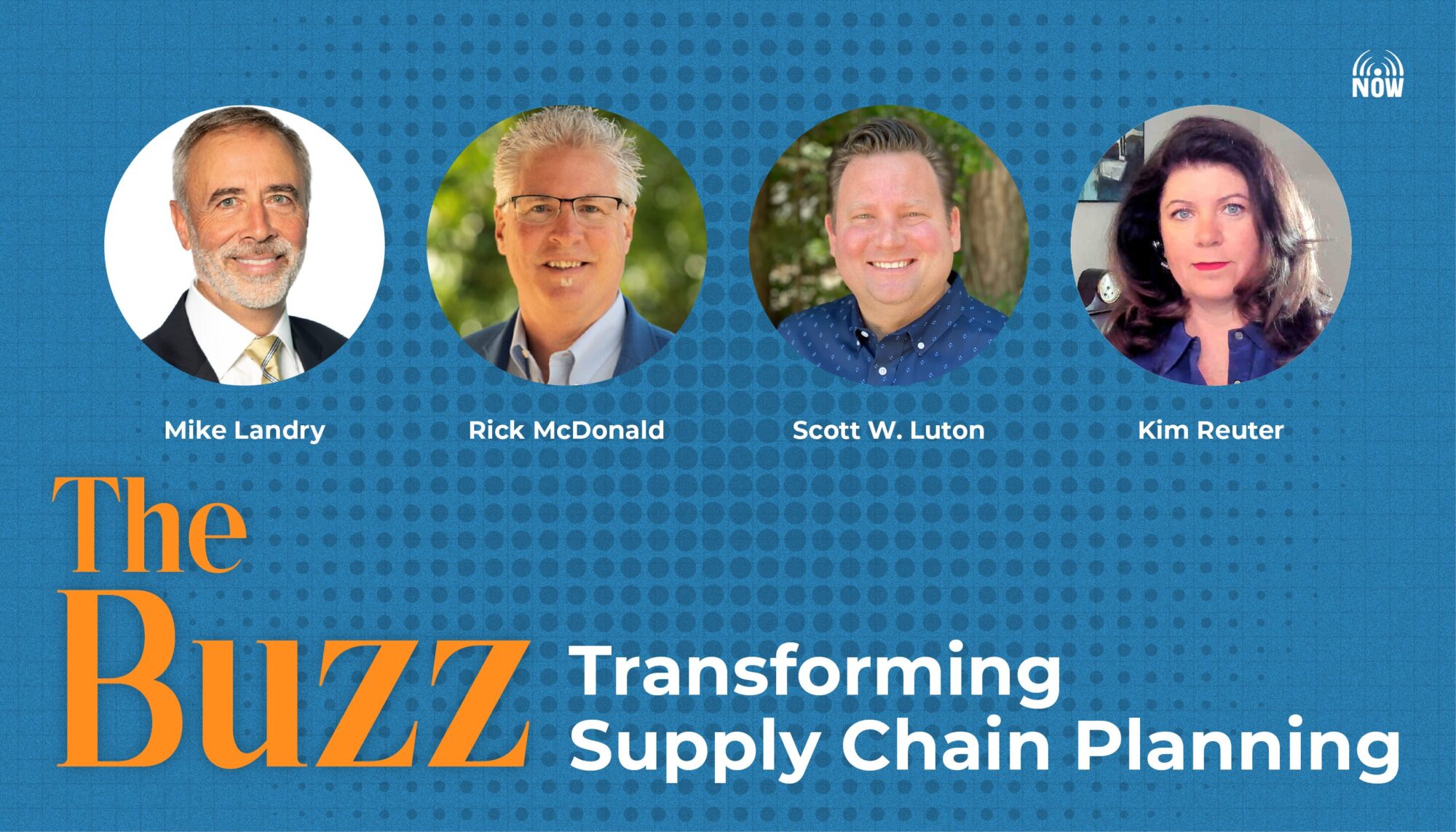
Join us for this week’s episode of The Buzz, as we dive into how adaptive planning is revolutionizing how organizations approach supply chain management, allowing for greater flexibility and responsiveness to changing market…
Key Trends Shaping the Future of Fashion Retail

In this episode of Supply Chain Now, Scott W. Luton and Karin Bursa are joined by Ellen Meiner, Founder and Principal of the Ellen Meiner Consulting Group, and Kerry Fogarty, Senior Vice President of Client Relations at PartnerLinQ…
Trick or Treat: The Business of Halloween Supply Chain

Join Scott Luton and Mike Griswold as they explore Halloween supply chain trends, the global chocolate crisis, and retail strategies for success…