























Patrick Leblond
February 19, 2024 |

| Cookie | Duration | Description |
|---|---|---|
| cookielawinfo-checkbox-analytics | 11 months | This cookie is set by GDPR Cookie Consent plugin. The cookie is used to store the user consent for the cookies in the category "Analytics". |
| cookielawinfo-checkbox-functional | 11 months | The cookie is set by GDPR cookie consent to record the user consent for the cookies in the category "Functional". |
| cookielawinfo-checkbox-necessary | 11 months | This cookie is set by GDPR Cookie Consent plugin. The cookies is used to store the user consent for the cookies in the category "Necessary". |
| cookielawinfo-checkbox-others | 11 months | This cookie is set by GDPR Cookie Consent plugin. The cookie is used to store the user consent for the cookies in the category "Other. |
| cookielawinfo-checkbox-performance | 11 months | This cookie is set by GDPR Cookie Consent plugin. The cookie is used to store the user consent for the cookies in the category "Performance". |
| viewed_cookie_policy | 11 months | The cookie is set by the GDPR Cookie Consent plugin and is used to store whether or not user has consented to the use of cookies. It does not store any personal data. |


Host
From humble beginnings working the import docks, representing Fortune 500 giants, Ford, Michelin Tire, and Black & Decker; to Amazon technology patent holder and Nordstrom Change Leader, Kimberly Reuter has designed, implemented, and optimized best-in-class, highly scalable global logistics and retail operations all over the world. Kimberly’s ability to set strategic vision supported by bomb-proof processes, built on decades of hands-on experience, has elevated her to legendary status. Sought after by her peers and executives for her intellectual capital and keen insights, Kimberly is a thought leader in the retail logistics industry.
Host, Logistics with Purpose
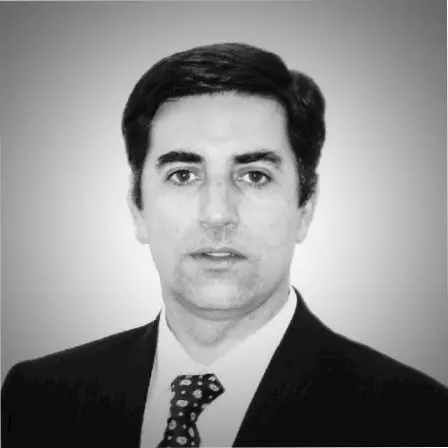
Jose Manuel Irarrazaval es parte del equipo de Vector Global Logistics Chile. José Manuel es un gerente experimentado con experiencia en finanzas corporativas, fusiones y adquisiciones, financiamiento y reestructuración, inversión directa y financiera, tanto en Chile como en el exterior. José Manuel tiene su MBA de la Universidad de Pennsylvania- The Wharton School. Conéctese con Jose Manuel en LinkedIn.