










Episode Summary
“The Paris Agreement, for the first time, brings all nations into a common cause, based on their historic, current & future responsibilities. And in my opinion? One of the biggest agreements ever to address sustainability.”
-Nick Roemer, Host
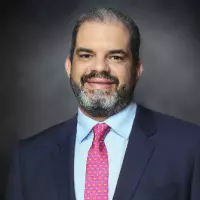
In this episode of This Week in Business History, special guest host Nick Roemer with Cibus21 walks us through the history of the COP: the conference of parties, as well as key milestones in actions to address sustainability. Nick also mixes in a few pop culture, sports & technology historical references, while he walks us through these critical milestones to address climate change.
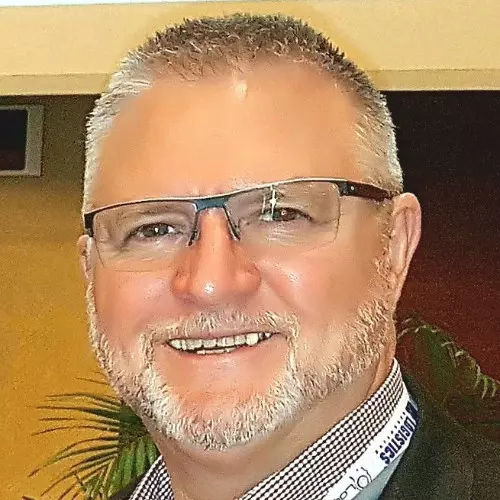
A native of Dundee, Scotland, Nick Roemer is a regular participant of Supply Chain Now livestreams. He also is a member of the Cibus21 leadership team, where he serves as CEO and CMO.
Episode Transcript
Scott Luton (00:12):
Good morning, Scott Luton here with you on this edition of this week in business history. Welcome to today’s show on this program, which is part of the supply chain. Now family of programming. We take a look back at the upcoming week, and then we share some of the most relevant events and milestones from years past, of course, mostly business focused with a little dab of global supply chain. And occasionally we might just throw in a good story outside of our primary realm. So I invite you to join me on this. Look back in history to identify some of the most significant leaders, companies, innovations, and perhaps lessons learned in our collective business journey. Now let’s dive in to this week in business history.
Nick Roemer (01:11):
Good morning, afternoon, and evening, wherever you are listening from in the world. Thank you for tuning in, in today’s episode of this week in business history brought to you all the way from Dundee Scotland. My name is Nick Roemer, CEO and CMO of Cibus 21 eradicable evolution in existing compression ignition engines that can bring the carpet and below that of an electrical vehicle mile for mile. But more about that later on today is all about sustainability. We’re taking a green edge on to today’s topic. So this week we dive a bit further into the history of the cop. The cop is the conference of the parties, annual climate change summit set out by the UN FCCC and what that stands for. We bring up intimate. So we will be looking into 10 major milestones in the history of the CA cop. And the reason why we took this topic this week.
Nick Roemer (02:14):
So what happened this week? Actually, what happened last week? Last Thursday, we had Biden’s climate summit. We’re all sort of us made a statement to sharpen the cuts in emissions by 2030 U S to cut emissions by 52% compared to their 2005 levels. The other major event that took place on Thursday was the freight waves net zero carbon summit. And during this summit, we listened to some amazing voices in the industry are all making a massive difference in cutting emissions and making the industry cleaner, greener, and leaner. So let’s start with the first milestone to milestone number one, the United nations framework convention on climate change, which is the UN FCCC. And there’s into force in March, 1992 in Rio. So countries that signed the agreement are known as the parties. So with 196 parties, the UN FCCC has near universal membership parties meet annually on a conference of the parties, which is a cop to negotiate multilateral responses to climate change.
Nick Roemer (03:27):
So that is the first milestone. But what else happened in 1992, Miley Cyrus was born or Brazil wins the view for world cup. Let’s move on to milestone number two, April, 1995, Berlin Germany’s, then environmental minister and general Marco presides over the first conference of the parties. So see your poo CRP. Number one in Berlin, the Berlin mandate establishes a process to negotiate and strengthen commitment for developed countries. Therefore laying the groundwork for the Kyoto protocol. Other major events that happened in 1995 as Michael Jordan announces to come out of retirement of returned to the Chicago bills. Toy’s story is released as the first ever full length animated feature film, and the arrival of windows 95. If that doesn’t make you feel old, move on to milestone number three, December 11th, 1997, that’s where the Kyoto protocol was adopted. So this is the third C O P E achieved an historical milestone, but adoption of the Kyoto protocol, the world’s first greenhouse gas emissions reduction agreement, whereas CO2 gas is one of most prominent ones that we all working towards.
Nick Roemer (04:56):
Other major events in 1997 on that same day, London, December, 1997, Nick rumor myself celebrates his 15th birthday. Microsoft becomes the most valuable company valued at $261 billion. Milestone number four, July, 2001 bond Germany in major breakthrough is achieved. And the second part of the sixth CRP in Bonn Germany with governments reaching a broad political agreement on the operational rulebook for the 1997 Kyoto protocol, 178 nations out of the 196 reach court. But this, this minus the USA, other major events that happened in 2001 nine 11, you know, the biggest terrorist attack on us soil today, milestone number five, February 16th, 2005 can Yoda protocol and enters into force history is meat. When the Russian Federation submitted its instrument of ratification to the Kyoto protocol, sealing its entry into force. So cop the 11th cop is held in Montreal later that here. So what else happened in 2005 now world’s largest video sharing platform.
Nick Roemer (06:31):
YouTube was launched milestone number six, December, 2010 Cancun, the 16th cop results in the Cancun agreement. It comprehensive package by government to assist developing nations in dealing with climate change, the green climate fund, the technology mechanism and the Cancun adoption framework are all established. So we’re moving into more and precise agreements. So what else happened in 2010, the tallest manmade structure, the Burj Khalifa in Dubai opens and Snowmageddon hits the us milestone. Number seven, December, 2011 Durbin at the 17th cop governments commit to a new universal climate change agreement by 2015 for the period beyond 2020, leading to the launch of the ad hoc working group at the Durbin platform for enhanced action or the EDP for sure, setting goals for reducing CO2 emissions and other greenhouse gases, something that we’re working on as we speak. So what else happened in 2011, remember tsunami in Japan and the death of, for some of them London milestone number eight, March, 2014, this called for the 20th anniversary of the end, the UN FCCC.
Nick Roemer (08:12):
So the United nations framework convention on climate change celebrate its 20th anniversary. And later that year together with the 20th anniversary of the sea, or what else happened that year? Brazil prepares staging of the 2014 FIFA world cup and a robot makes world first ever common landing milestone number nine, December, 2015, the 21st cop, the historical Paris agreement was adopted 195 nations agreed to combat climate change and only’s actions and investments towards a low carbon resilient and sustainable future. The Paris agreement for the first time brings all nations into a common cause based on their historic current and future responsibilities. And in my opinion, one of the biggest agreements ever created in, but in sustainability. So what else happened? Facebook passes 1 billion users, according to Mark Zuckerberg, then our final milestone milestone number 10, September 23rd, 2019. The climate action summit is boost ambition to boost and accelerate actions to implement the Paris agreement.
Nick Roemer (09:40):
UN secretary general and Tonio good terrace will host the summit in New York. This summit comes exactly one year before countries are set to enhance their national climate pledges under the Paris agreement. And we all know who pulled out of the Paris agreement and who has not, what else happened in 2019 astronomers released the first ever image of a black hole in today’s said actually feels looking like a gate of the Gates of hell. Well that’s to be that’s to be debated. So to be honest, so let’s, let’s get a reality check here. When we talk about carbon emissions. So carbon dioxide concentration is 14 present higher than pre-industrial times. Human activity caused most of the global warming between 1951 in 2010, the earth surface has warmed by almost one degree over the period of 1880 to 2012 heat waves, heavy rains and storms have become more frequent since the 1950s, the Arctic sea ice has declined an average of 3.8% per decade.
Nick Roemer (10:58):
Since 1979 global sea level is expected to rise between 26 and 82 centimeters, but a year, 2,100 and only in aggressive mitigation scenario can keep temperature rise below two degrees. So let that sink in. And that’s the reason why this week’s topic on sustainability is so, so important. So what’s next? What can you do? We had savers 21 are making a difference and we’re not talking about 20, 30 or 2050. We’re talking about today. We can make a difference. So do you say it was 21 can create a difference in existing infrastructure, existing diesel truck engines. So think about what difference can you make. And I hope that these 10 milestones have made you think, and we have became more, uh, more aggressive towards our targets. So well that just about wraps up this edition of this week, investment business history. And I would like a massive thank you for tuning in each week. More than was in previous years can actually be found in supply chain now.com on behalf of everyone at supply chain now, and the team this week in business history, we would love to get your feedback and tell us what you think there’s yours and only others can be found on all major podcast platforms on that note. This is Nick rumor, Dundee, Scotland, make sure to make a difference.
Hosts


Check Out Our Sponsors