

More
supplier diversity
October 25, 2022
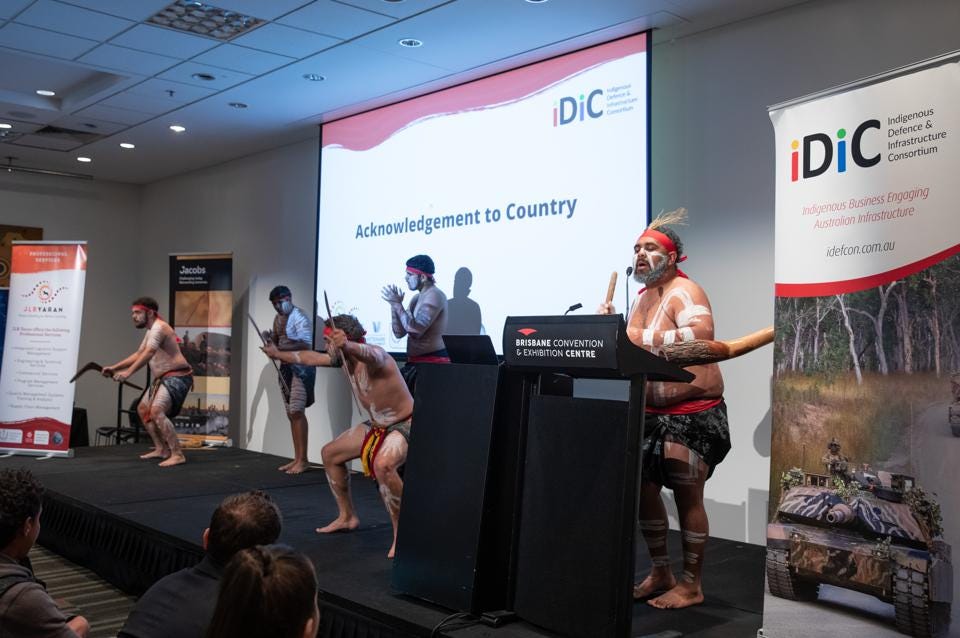
Boeing Uses Relational Contracting with Indigenous Businesses
Kelly Barner, host of Dial P for Procurement, procurement thought leader, and managing director of Buyers Meeting Point, explains why formal relational contracting is a great approach for companies serious about supporting their diverse suppliers in a recent Forbes article. “Small and diverse suppliers often find themselves in a Catch-22. They need to grow their capabilities to expand but as they’re often smaller organizations they fall into the trap of having transactional relationships with their customers.” Read the entire article here.
November 20, 2020
This Week on Supply Chain Now: November 16th – November 20th
Supply Chain Now has been full of great conversations, key takeaways, and inspiring stories from some amazing business leaders this week. Make sure you catch all the latest episodes, interviews, conversations, and livestreams right here for all the hottest supply chain news! On Saturday, Steve Britt, senior manager for customs at Fiat Chrysler Automobiles, joins us in partnership with AIAG – Automotive Industry Action Group’s 2020 Supply Chain Summit to talk about his role and thepartnership between industry and US Customs and Border Protection. On Monday, Scott and the Vector Global Logistics team sat down with Steven Stirling from MAP International for an episode of our Logistics with Purpose series to hear Steven’s inspiring story that made him dedicate his life to bringing critical medicines and health supplies to some of the world’s poorest people. On Tuesday, TEK TOK Digital Supply Chain Podcast with host Karin Bursa welcomed industry trailblazer Lora Cecere, CEO of Supply Chain Insights, to hear about Lora’s career path On Wednesday, Scott and Greg sit down with Bob Bova from AccuSpeechMobile to the Supply Chain Buzz to talk about how voice automation in the warehouse is increasing producitivity and announcing na…