
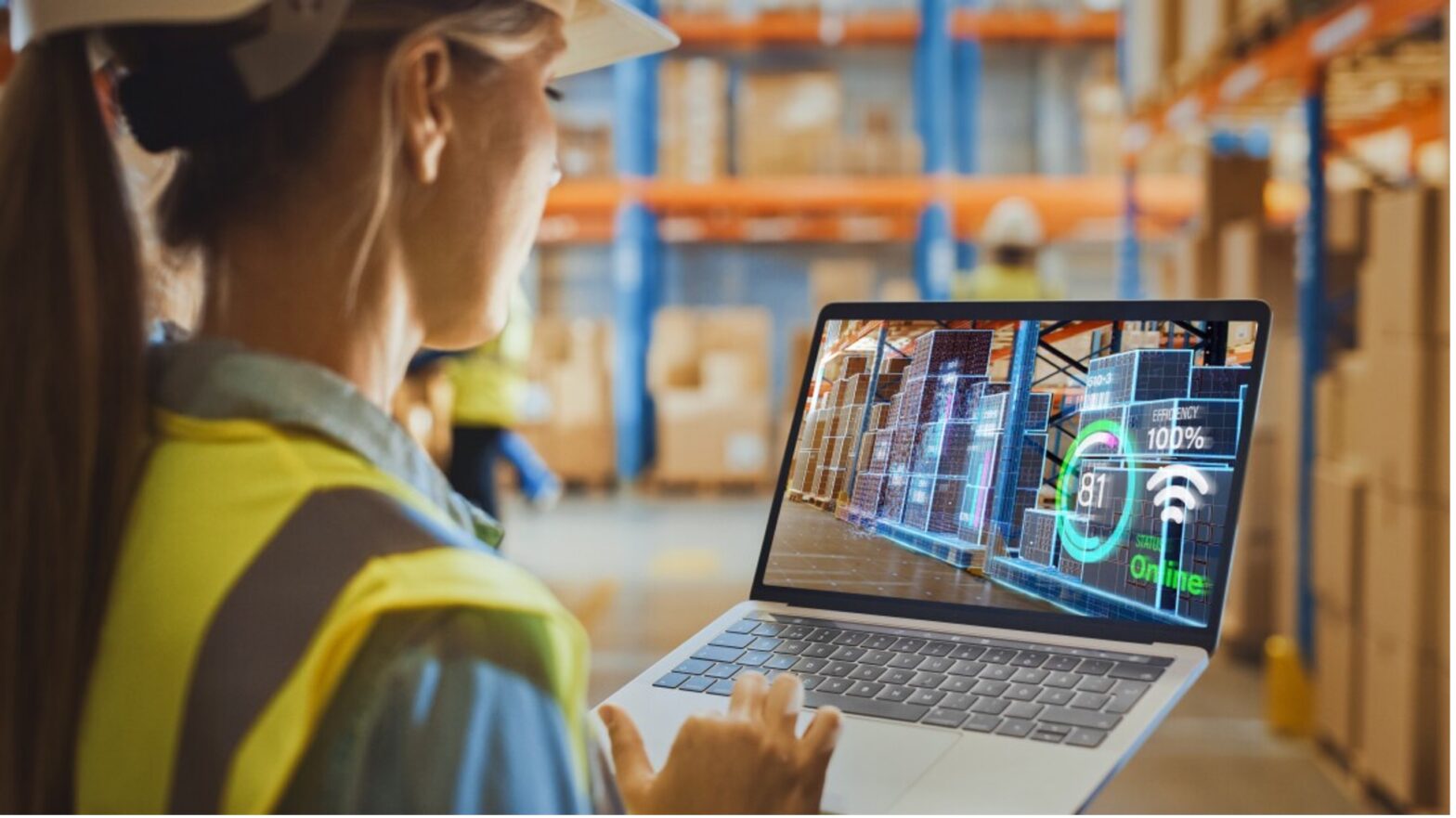
Supply chain planners in high-tech don’t just manage shipments; they’re crisis managers, data detectives, and sometimes, referees in a high-stakes game of inventory tug-of-war. Why do these planners find themselves huddled in “war rooms,” surrounded by spreadsheets and urgent emails?
Category Archives: Guest Post
From War Rooms to Winning Strategies: How High-Tech Brands Tame Supply Chain Chaos
Supply chain planners in high-tech don’t just manage shipments; they’re crisis managers, data detectives, and sometimes, referees in a high-stakes game of inventory tug-of-war. Why do these planners find themselves huddled in “war rooms,” surrounded by spreadsheets and urgent emails?
Taming Inbound Logistics: A Playbook for Multisupplier Sourcing
The unpredictable economic landscape has produced unprecedented challenges within inbound logistics. Company leaders must navigate global disruptions and shifting consumer demands as they reshape their supply chains. Amidst the adversity, multisupplier sourcing has become a strategic advantage instead of a contingency plan. Follow this approach to equip business leaders with actionable insights.
Peak Season Logistics: How Smart Inbound Flow Drives Golden Quarter Profits
Call it Q4, The Golden Quarter, or Peak Season—it’s the 100-day sprint through fall and winter holidays where profits soar, plans tighten, and one slip leaves you scrambling through January.
The 3 Critical Questions Enterprise Shippers Ask Me About AI
I spend most of my time with supply chain and innovation leaders at major enterprises who are sitting on significant AI budgets but struggling to show measurable business impact in an increasingly complex and volatile supply chain environment.
How Hurricanes Disrupt Supply Chains: From Empty Shelves to Strategic Solutions
“Dad, why are they out of my favorite cereal?” your 10-year-old asks you at the grocery store, noticing that their favorite breakfast food is missing. The answer is more complex than they could imagine – hurricanes don’t just bring bad weather; they create far-reaching supply chain disruptions that affect everything from food to toys.
Freight Audit & Payment: The Anchor for Supply Chains in Turbulent Times
The past few years have exposed just how fragile our supply chains can be. From tariff shocks to pandemic disruptions, from inflationary pressures to mounting parcel surcharges, the landscape has shifted beneath our feet. Companies that once managed logistics as a back-office function are now grappling with its role as a front-line business risk.
Why a “Perfect Fit” TMS Beats Feature-Packed Systems
When picking a Transportation Management System (TMS), shiny features, slick dashboards, and buzzwords can be distracting. But here’s the truth: real ROI doesn’t come from having the most bells and whistles. It comes from finding a TMS that fits your transportation complexity like a glove.
Hire, Onboard, Manage: Treating AI Agents Like New Team Members
Operators are under pressure. They’re expected to move faster, do more with less, and somehow keep everything running smoothly while their systems, tools, and data are a mess. Now, AI is adding a whole new layer. On one hand, it’s exciting. The potential is real. On the other, a lot of teams feel stuck. They know they should be using AI, but they’re not sure where it fits into their day-to-day work…
5 Questions I Would Like to be Asked About the Logistics Behind Traveling

Operators are under pressure. They’re expected to move faster, do more with less, and somehow keep everything running smoothly while their systems, tools, and data are a mess. Now, AI is adding a whole new layer. On one hand, it’s exciting. The potential is real. On the other, a lot of teams feel stuck. They know they should be using AI, but they’re not sure where it fits into their day-to-day work…
5 questions I frequently get asked about automating operations with AI
Operators are under pressure. They’re expected to move faster, do more with less, and somehow keep everything running smoothly while their systems, tools, and data are a mess. Now, AI is adding a whole new layer. On one hand, it’s exciting. The potential is real. On the other, a lot of teams feel stuck. They know they should be using AI, but they’re not sure where it fits into their day-to-day work…
The Future of Supply Chains Starts With Better Questions
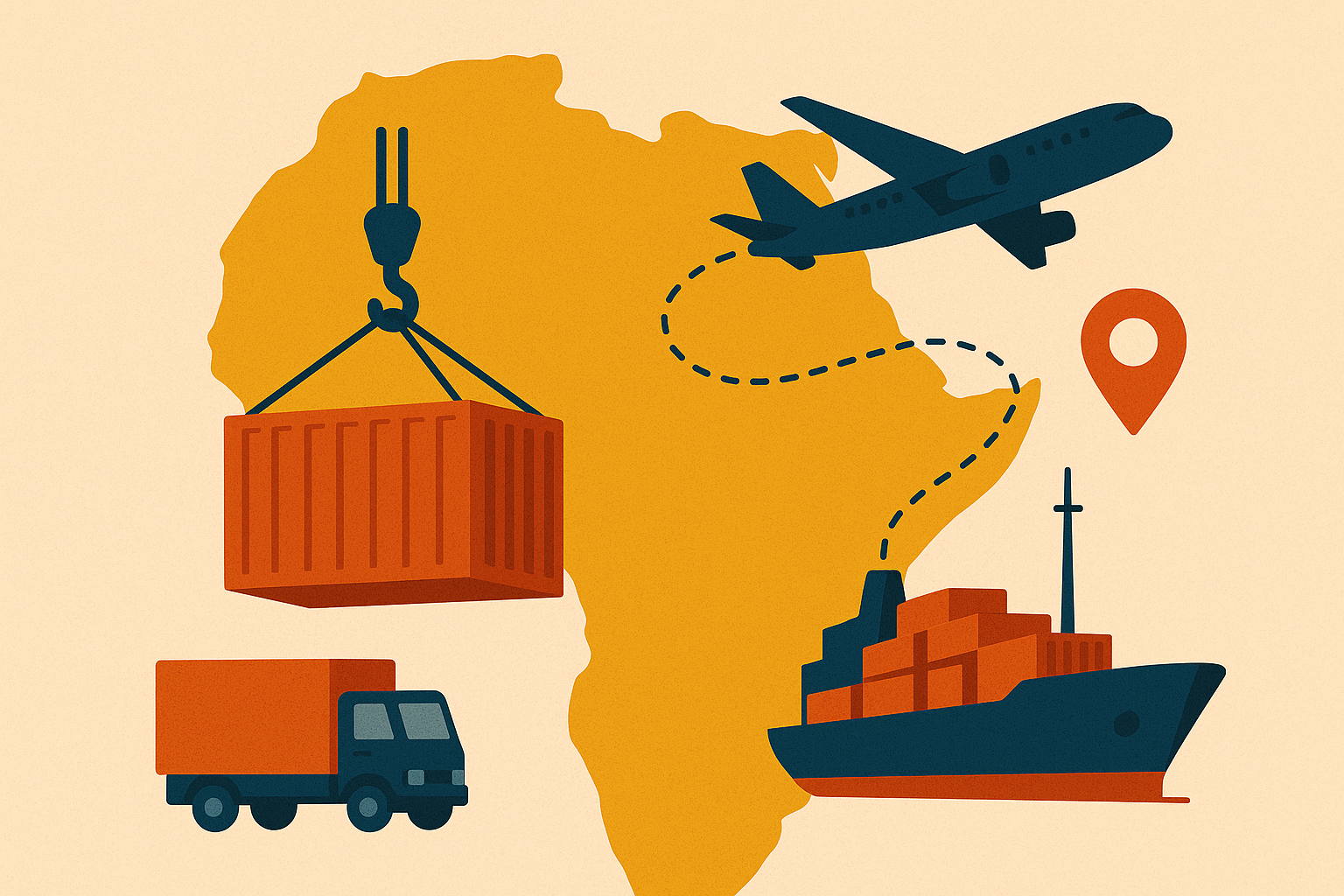
Do Supply Chains exist in the public sector? The short answer is “YES!” I spent the first 25 years of my career in the private sector where I worked in warehouse operations, industrial engineering, and consulting, all in the logistics and supply chain area…