
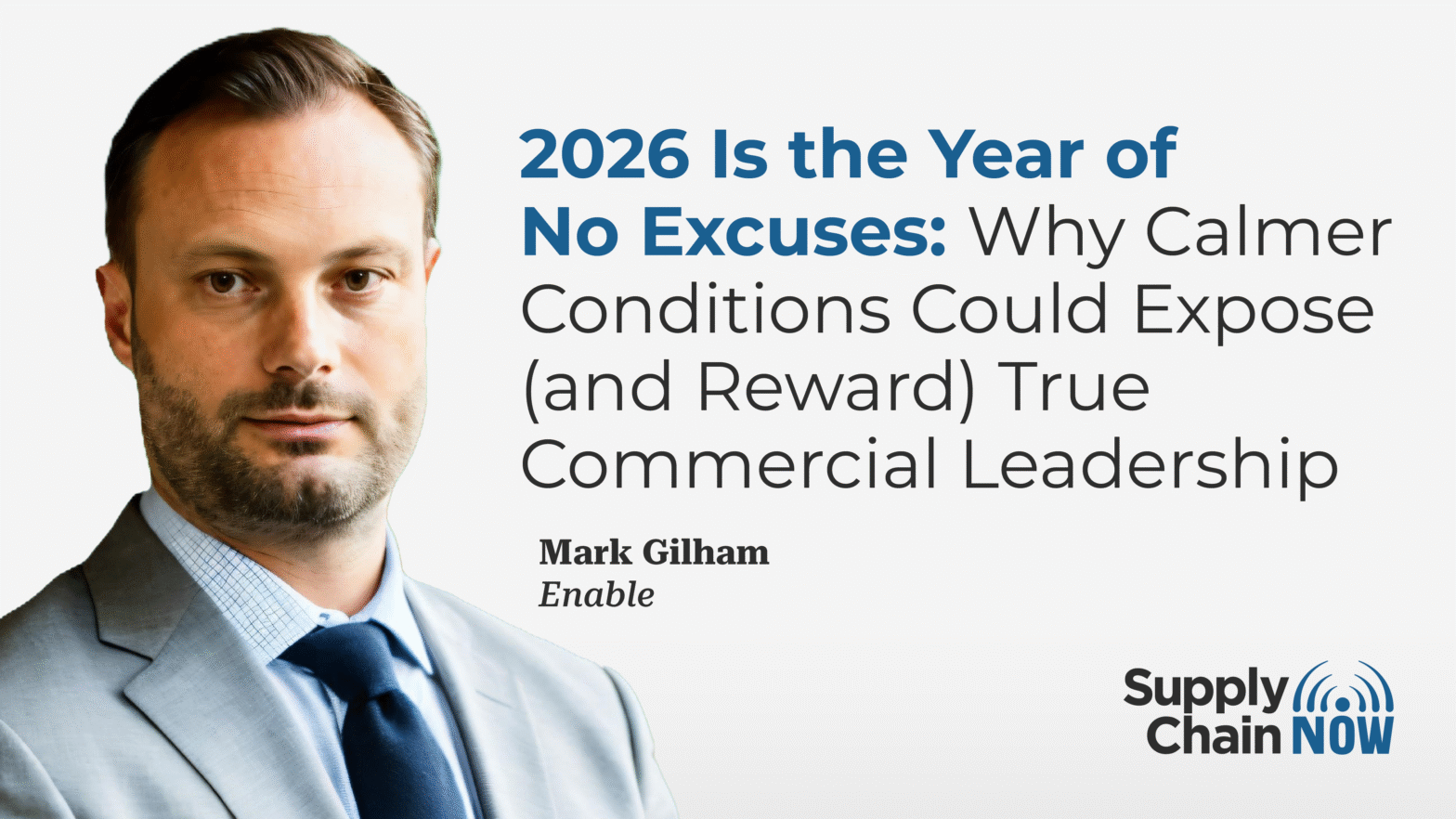
In a recent conversation, Scott Luton spoke with Mark Gilham, Vice President & Head of Global Advisory at Enable, about what supply chain and commercial leaders should expect from the year ahead. While many annual outlooks attempt to forecast the next major disruption, Gilham offered a different lens: 2026 may become the “year of no excuses.”
Category Archives: Guest Post
How Freight Visibility is Reshaping Supply Chain Resilience
For supply chains across the globe,, goods in motion are promises in motion. When a palletised shipment is delayed or goes dark, the impact is felt not just in transport teams, but in customer service, inventory planning, and broader network performance.
The Value of a Data-Driven Approach to Demand Sensing and Forecasting
Demand sensing and demand forecasting are both crucial aspects of optimizing supply chains, but they do have slightly different functions in their approach and focus. Demand sensing uses real-time data and analytics to identify and respond to immediate demand fluctuations, while demand forecasting uses historical data to predict future demand over a longer period (months or years). Different methods, such as statistical modeling and machine learning, are used to enhance the accuracy and adaptability of these processes. Both areas are crucial for companies when it comes to projecting sales, managing inventory, and coordinating replenishment. In the end, the goal is to accurately predict customer demand by using predictive models to forecast future demand.
First Edition: Between the Lines by Supply Chain Now
At Supply Chain Now, we talk a lot about innovation, resilience, and what’s next for our industry. But behind every great conversation, great idea, and great community is something even more fundamental: curiosity. We read because we’re curious. We read to learn. We read to grow. And sometimes, we read simply because it’s fun! That’s why we created Between the Lines by Supply Chain Now, a space for our community to share what we’re reading, what’s making us think, and what we’re excited to recommend to others.
Constant Supply Chain Disruption Promises to Keep Logistics Entertaining, Exciting, & Challenging
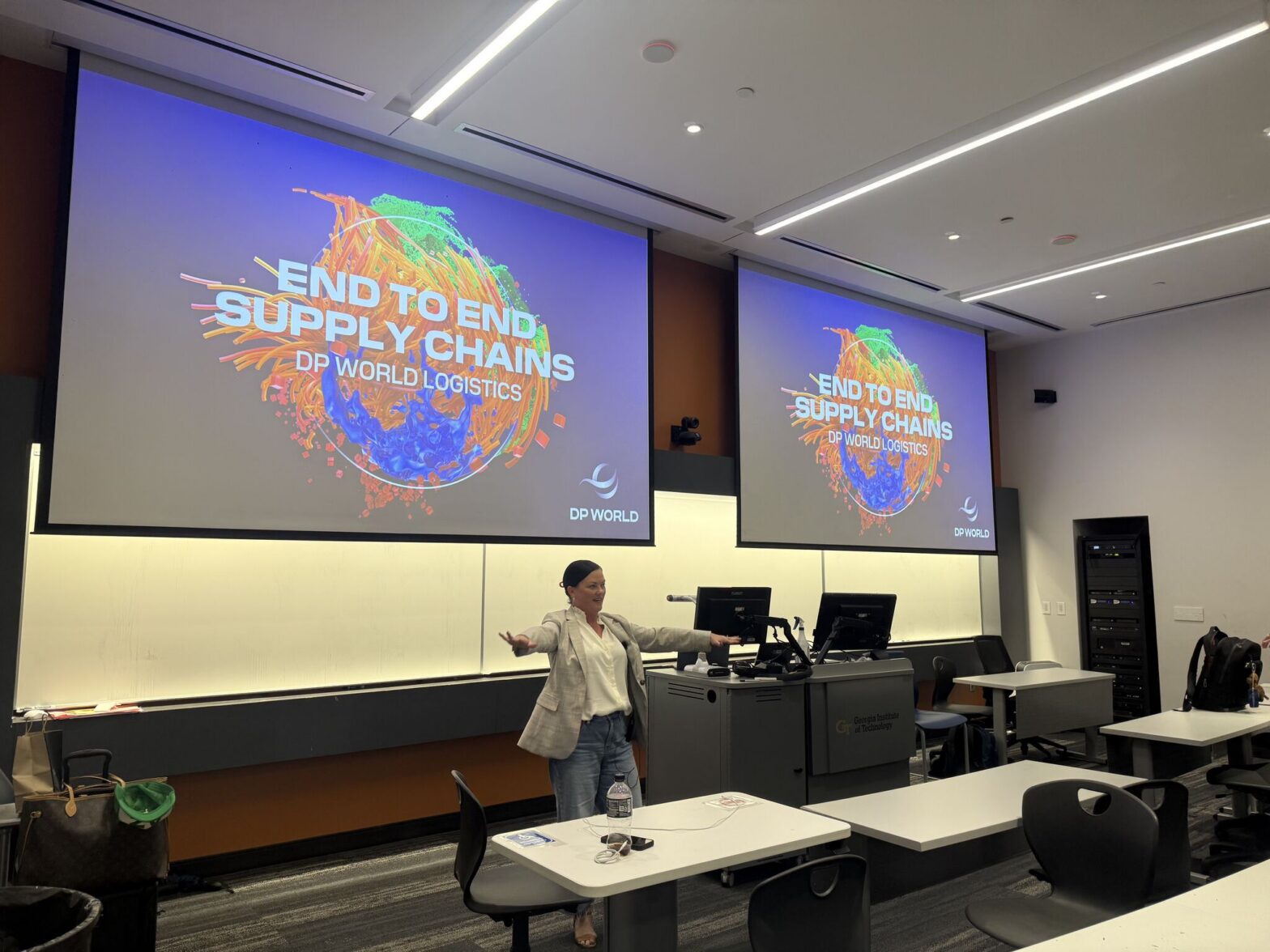
I was recently invited to speak with students in the Supply Chain and Logistics Organization at Georgia Tech, and it reminded me why I still find this industry so energizing.
Why Can’t America Train Workers for a Trillion-Dollar Industry?
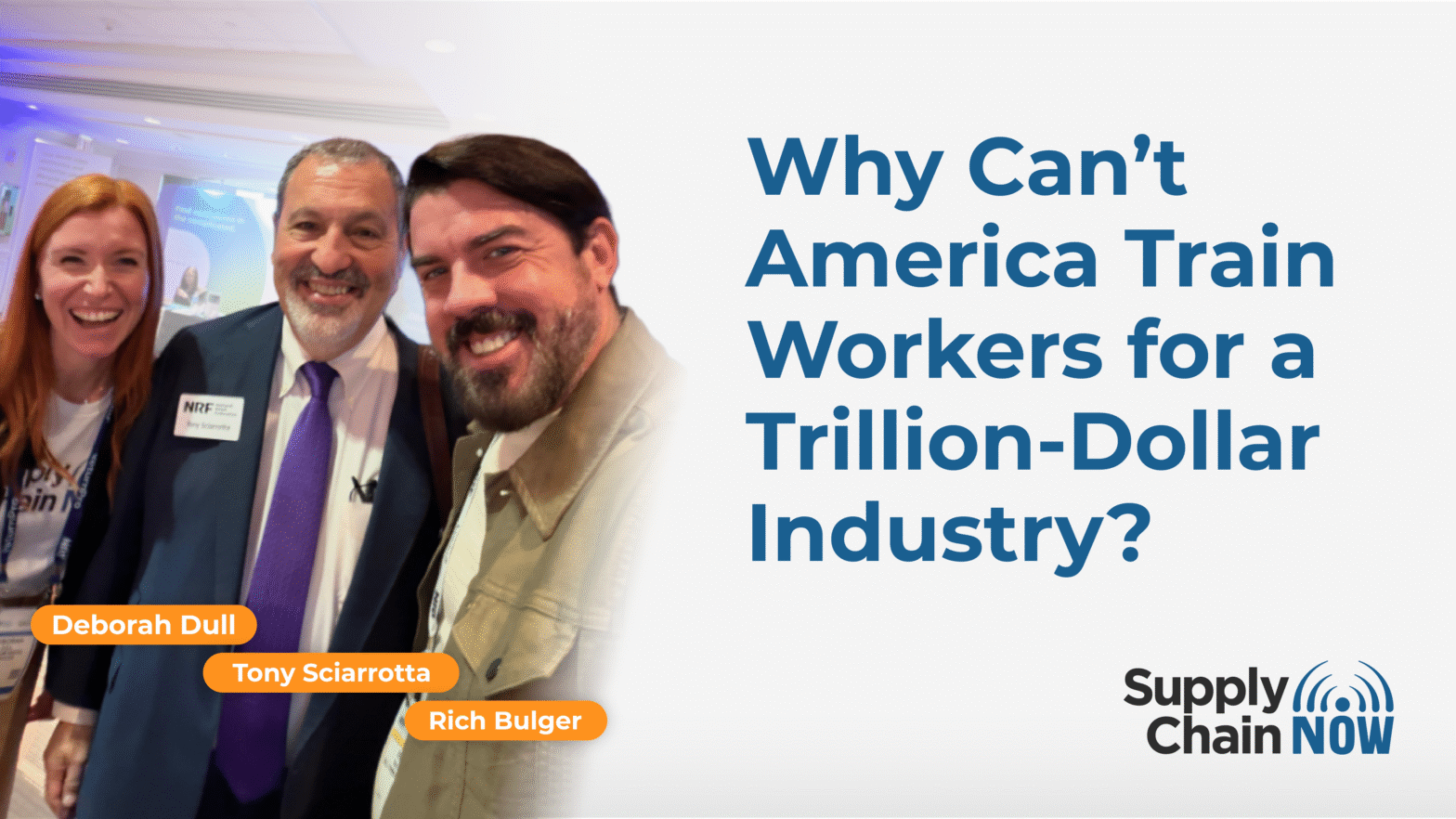
Inside the reverse logistics education gap and the economic blind spot keeping it invisible
Tony Sciarrotta has been asking the same question at industry conferences for years. As the Senior Director of Circularity and Reverse Logistics at the National Retail Federation, he knows what answer he’s going to get. But he keeps asking anyway.
AI in Global Trade Compliance: What Works Now, What’s Next, and How to Govern It
AI is no longer an experiment in global trade compliance. It’s already being applied in product classification, document-to-declaration workflows, risk targeting, and sanctions screening. At the same time, regulators and customs authorities are adopting AI themselves. This is raising expectations for data quality, transparency, and governance across the entire trade ecosystem.
5 Supply Chain Predictions on our 2026 Bingo Card

If your supply chain planning still runs on a monthly cycle, 2026 will be uncomfortable. We are operating in a polycrisis where change is constant, and responses need to be fast enough to keep up. From customer conversations, industry research, and leadership discussions at the Gartner supply chain conferences, a clear pattern has emerged: the organizations pulling ahead are not planning more often. They are embedding agility, intelligence, and speed into the way they make decisions.
How a Supply Chain Management Data Gateway Benefits Almost Every Industry

A data gateway provides unified access to supply chain data from various sources, including enterprise systems, supply chain applications, data feeds, data warehouses, data lakes, data marts, and business entities. It helps companies meet their supply chain challenges head on and be ready for supply chain disruptions.
Top Microsoft Dynamics 365 Partners for Distribution and Supply Chain Management

Global supply chains are under pressure like never before, and disruptions aren’t rare events anymore—they’re structural, constant, and often originate outside your four walls. A single weak link in your supplier network can ripple across production schedules, customer commitments, and brand reputation.
Control Tower Technology: The Command Center for Modern Supply Chains

Global supply chains are under pressure like never before, and disruptions aren’t rare events anymore—they’re structural, constant, and often originate outside your four walls. A single weak link in your supplier network can ripple across production schedules, customer commitments, and brand reputation.
AI and the Future of Supply Chains: How Leaders Move from Hype to Real Impact
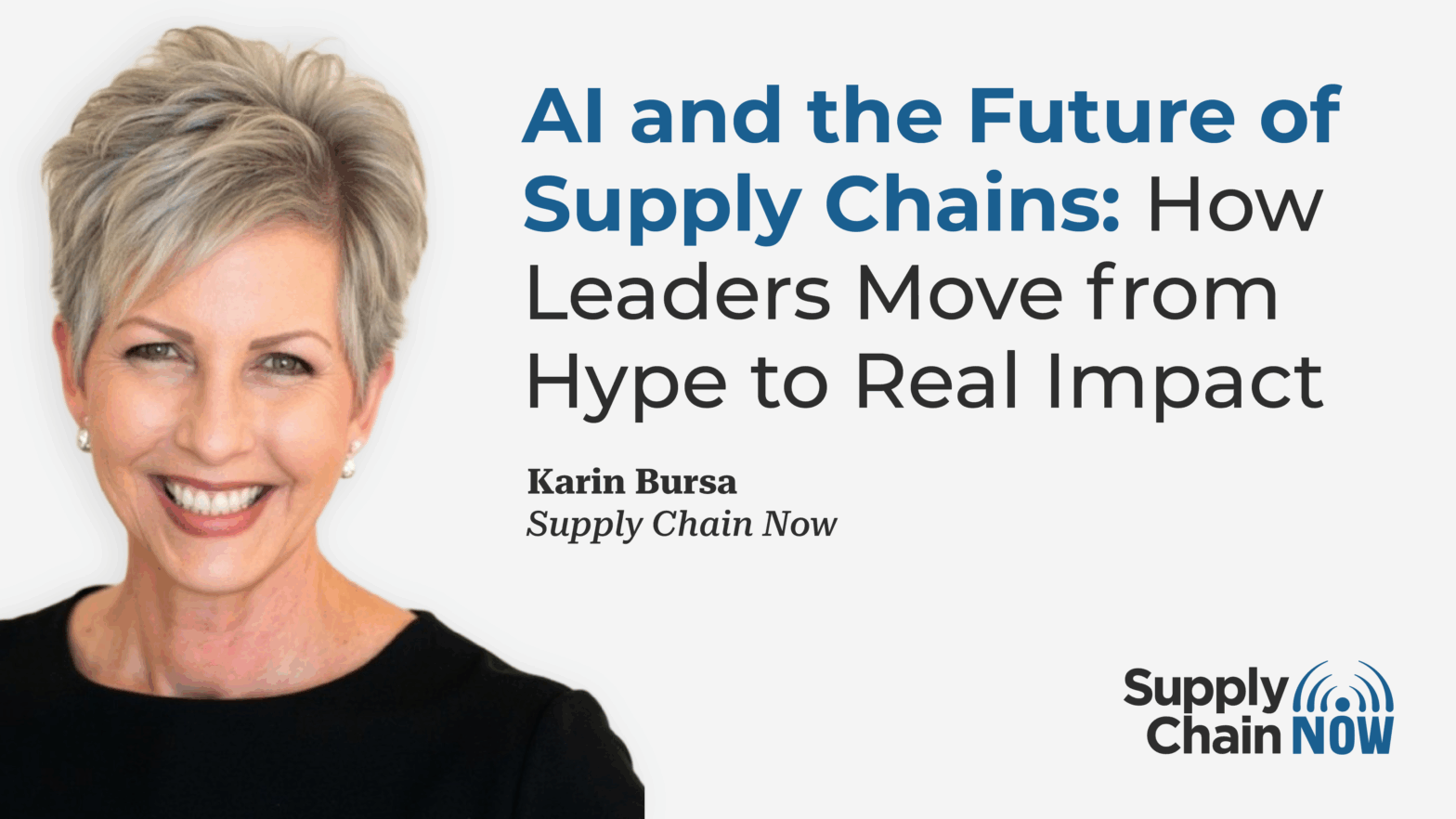
Artificial intelligence is no longer a “what if” in supply chain — it is here. In fact, Gartner predicts that 50% of cross-functional supply chain management solutions will use intelligent agents to autonomously execute decisions in the ecosystem by 2030. But how do leaders move from hype to real impact? During our recent Supply Chain Now Power Panel, I asked five senior executives to share where they see AI making the biggest impact. Their answers revealed not just excitement, but a roadmap for how supply chains can evolve.