Share:

This Week on Supply Chain Now: October 26th – 30th

It’s been a great week on Supply Chain Now! Make sure you’re up to date on all the latest episodes, interviews, conversations, and livestreams right here.

On Saturday, Kelly Barner with Buyers Meeting Point joined Scott and Greg on the podcast to share her thoughts on the priorities & challenges within procurement as well as key takeaways involving GPO & Mastermind Live 2020.


On Monday, Scott and Greg welcome Diego Martinez with Coca-Cola and Mike Lackey with SAP to dive into the critical role supply chain plays in Atlanta, full of key takeaways that relate back to business regardless of where you live.


On Tuesday, Phil Rich, SVP & CSCO with Sweetwater, shares his perspective with Supply Chain Now Co-hosts Greg White and Scott Luton on how to guarantee quality customer experiences.


On Wednesday, Scott and Greg hosted the Supply Chain Buzz where they welcomed HR Expert & Consultant John Holly, who shared everything you need to know when it comes to supply chain talent right now.


On TECHquila Sunrise this Thursday, Greg White reflected on the best moments from the podcast since August with featured technology founders, investors, and visionaries.


We ended the week with a great conversation on Supply Chain is Boring with host Chris Barnes and Duncan Klett from Kinaxis.


Which was your favorite episode this week? Never miss an episode by subscribing to Supply Chain Now! Make sure you tune in next week for more great conversation, timely topics, and exceptional guests.

More Articles
supply chain sustainability
Articles
July 2, 2024

Guide to Sustainability in Logistics: Implementing Eco-Friendly Practices

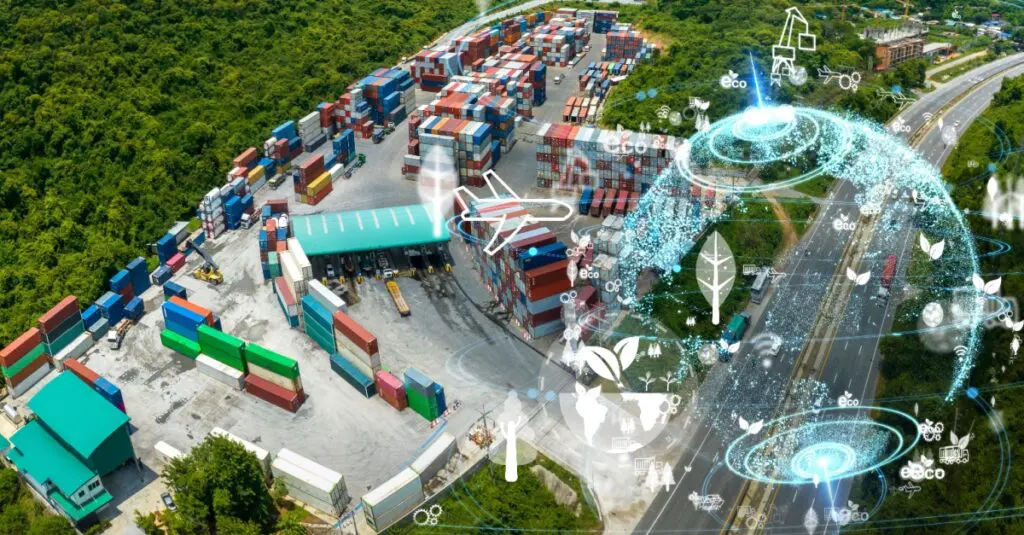
The logistics and transport sector contributes about 24% of global CO2 emissions. Considering the push for supply chain sustainability across different sectors, the need for lower emissions has been heating up in recent years. With roughly a quarter of the world’s emissions tied to logistics, this industry will possibly be the final frontier to tackle regarding sustainability. While different strategies can be leveraged to reduce the impact of logistics operations on the environment, integrating eco-friendly practices and reducing Scope 3 emissions are some of the most pressing initiatives at hand. This article serves as a guide that will provide actionable steps for companies to embrace innovative solutions and navigate the transition toward a greener future. Scope 3: Understanding Supply Chain Emissions Modern supply chain management outsources different parts of the operation to leverage the expertise of different suppliers and stakeholders. Logistics operations are usually outsourced to third-party providers, and exercising control over their operations and monitoring their sustainability practices and emissions can be challenging. Here’s the harsh reality: no matter how well an organization manages to reduce Scope 1 and 2 emissions, the unaddressed Scope 3 emissions can bring the entire process to a screeching halt. This is especially true…
supply chain
Articles
May 7, 2025

Something to Talk About: Topics Shaping Supply Chain

Tariffs have the entire world on edge, and the Supply Chain Now hosts are staying abreast of the very latest developments on the tariffs front to share them with listeners. But believe it or not, there’s a lot more going on in the world that affects the supply chain industry than tariffs, and Supply Chain Now is keeping listeners informed about all the topics important to them. Tariffs, Of Course, and Government Regulations The Trump administration has cranked up trade tensions with its 145% tariff on most imports from China and the end of the de minimis exemption that allowed packages worth less than $800 to enter the United States duty-free. The Port of Los Angeles, the United States’ largest maritime gateway, is one of the American powerhouses that has been bracing for the impact. Port Executive Director Gene Seroka said on April 24 that he expected within the next two weeks container ship arrivals would “drop by 35% as essentially all shipments out of China for major retailers and manufacturers have ceased, and cargo coming out of Southeast Asia locations is much softer than normal.” At Supply Chain Now, we’re constantly monitoring what’s happening in LA and Washington —…