

Demand sensing and demand forecasting are both crucial aspects of optimizing supply chains, but they do have slightly different functions in their approach and focus. Demand sensing uses real-time data and analytics to identify and respond to immediate demand fluctuations, while demand forecasting uses historical data to predict future demand over a longer period (months or years). Different methods, such as statistical modeling and machine learning, are used to enhance the accuracy and adaptability of these processes. Both areas are crucial for companies when it comes to projecting sales, managing inventory, and coordinating replenishment. In the end, the goal is to accurately predict customer demand by using predictive models to forecast future demand.
Tag Archives: supply chain talent development
Adapt or Be Left Behind: Jorge Morales on Technology, Personal Growth and the Human Core of Supply Chain
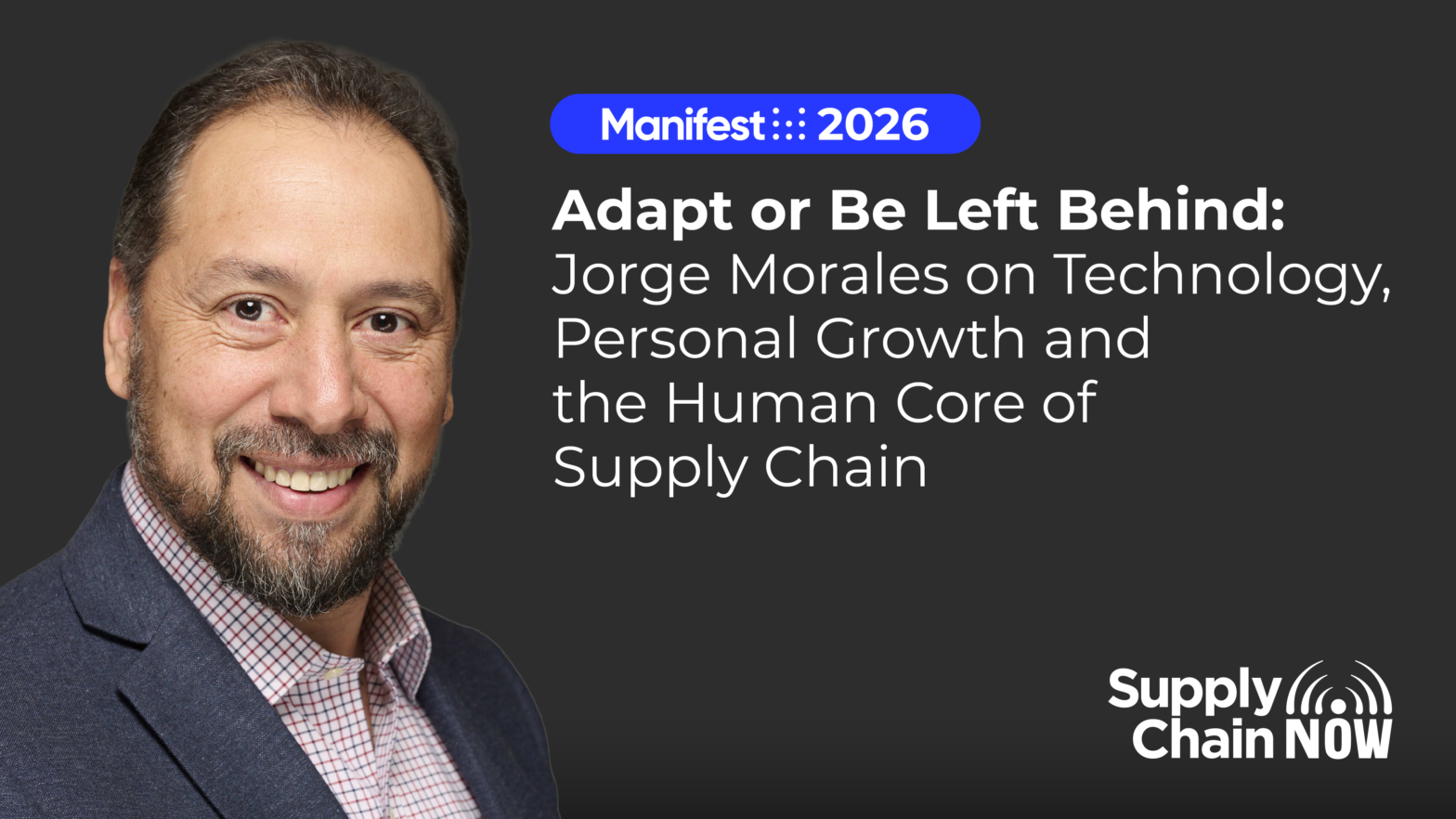
At Manifest 2026, Scott Luton spent time with his friend, Jorge Morales, Global Chief Operating Officer of the International Supply Chain Education Alliance (ISCEA), for a conversation that centered not on hype, but on growth.
Culture Over Clicks: Marina Mayer on Workforce, Proactivity, and the Real Innovation Story at Manifest 2026
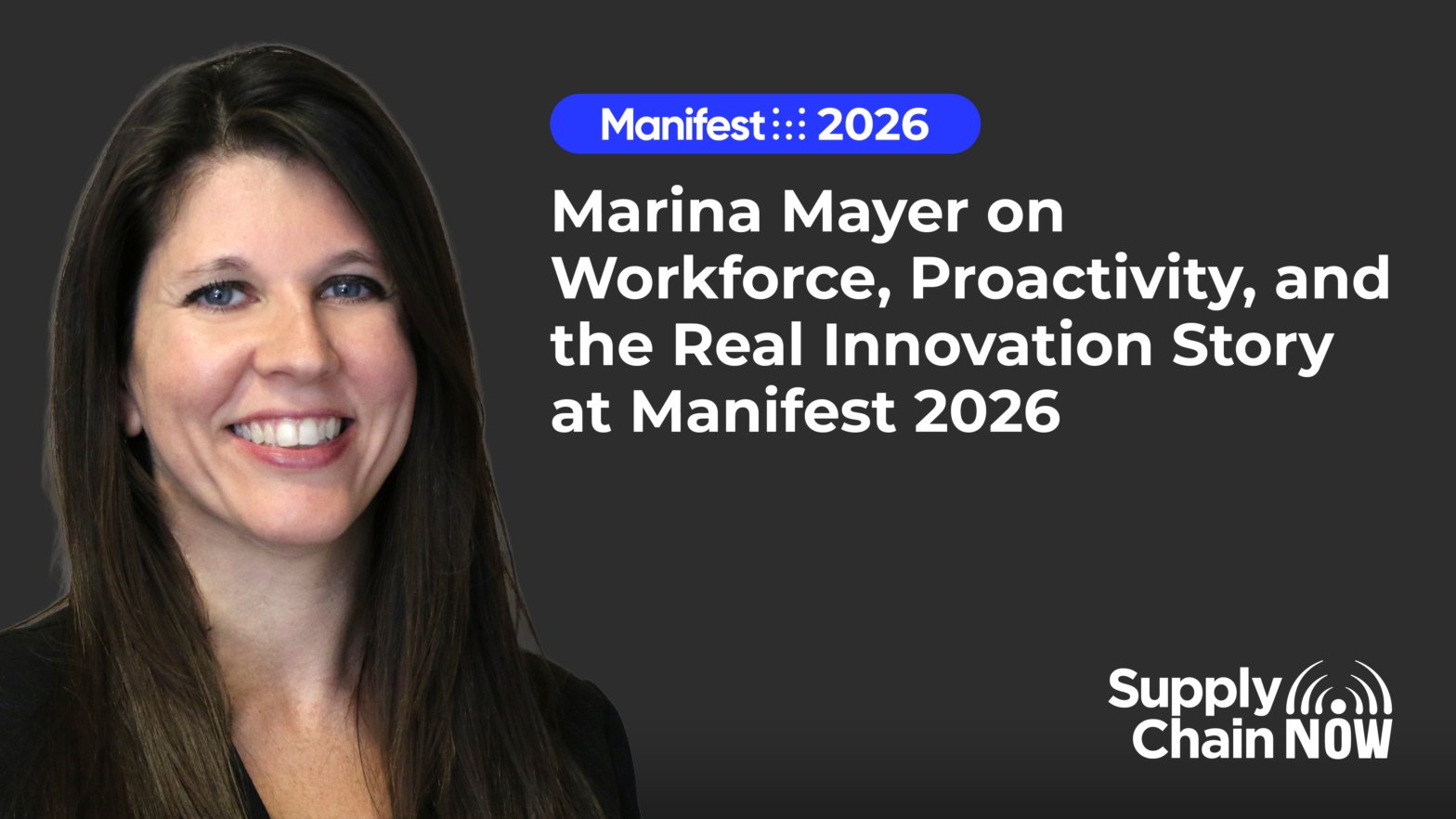
At Manifest 2026, Scott Luton caught up with Marina Mayer, Editor-in-Chief of Food Logistics and Supply & Demand Chain Executive, and Co-Founder and Content Director of the Women in Supply Chain Forum, for a conversation that cut through the tech buzz and landed squarely on what matters most: people.