
At MODEX 2026 in Atlanta, Scott Luton sat down with Andre Luecht, Global Strategy Lead for Transportation, Logistics & Warehousing at Zebra Technologies, to explore how synchronization, visibility, and practical innovation are shaping the next phase of supply chain performance.
Tag Archives: supply chain
Multi-Echelon Inventory Optimization Explained: How to Cut Inventory Without Cutting Service
At MODEX 2026 in Atlanta, Scott Luton sat down with Andre Luecht, Global Strategy Lead for Transportation, Logistics & Warehousing at Zebra Technologies, to explore how synchronization, visibility, and practical innovation are shaping the next phase of supply chain performance.
AI Is Good at Picking Qualified Suppliers. It Still Struggles to Pick the Best One.
At MODEX 2026 in Atlanta, Scott Luton sat down with Andre Luecht, Global Strategy Lead for Transportation, Logistics & Warehousing at Zebra Technologies, to explore how synchronization, visibility, and practical innovation are shaping the next phase of supply chain performance.
Execution Over Everything: What It Takes to Win in Modern Supply Chains
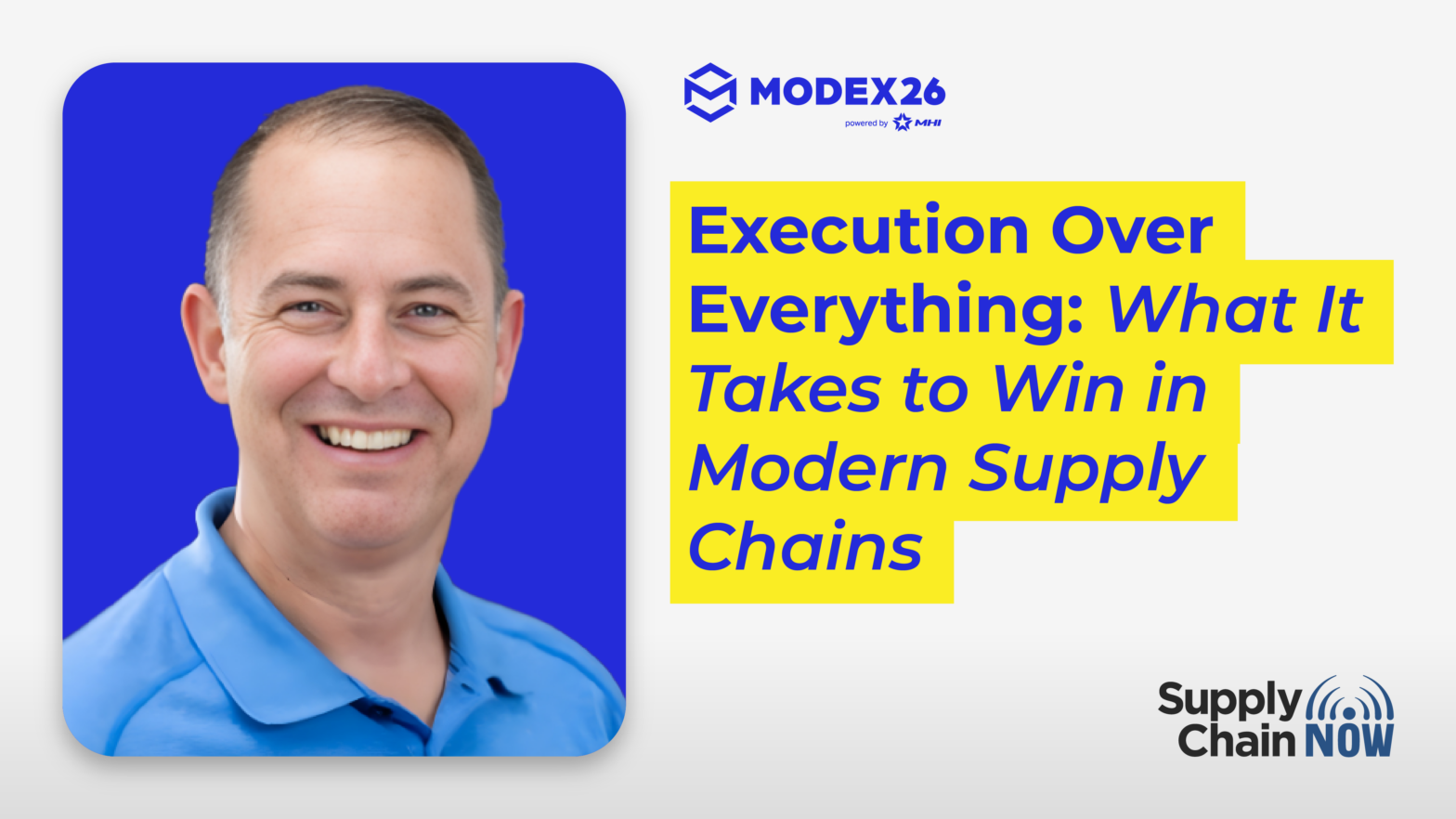
At MODEX 2026 in Atlanta, Scott Luton sat down with Tevon Taylor, Senior Vice President of Contract Logistics at Pegasus Logistics Group, for a candid conversation about what’s really driving success (and failure) in today’s supply chains.
From Siloed Functions to Connected Decisions: Unlocking the Next Phase of Supply Chain Digitalization
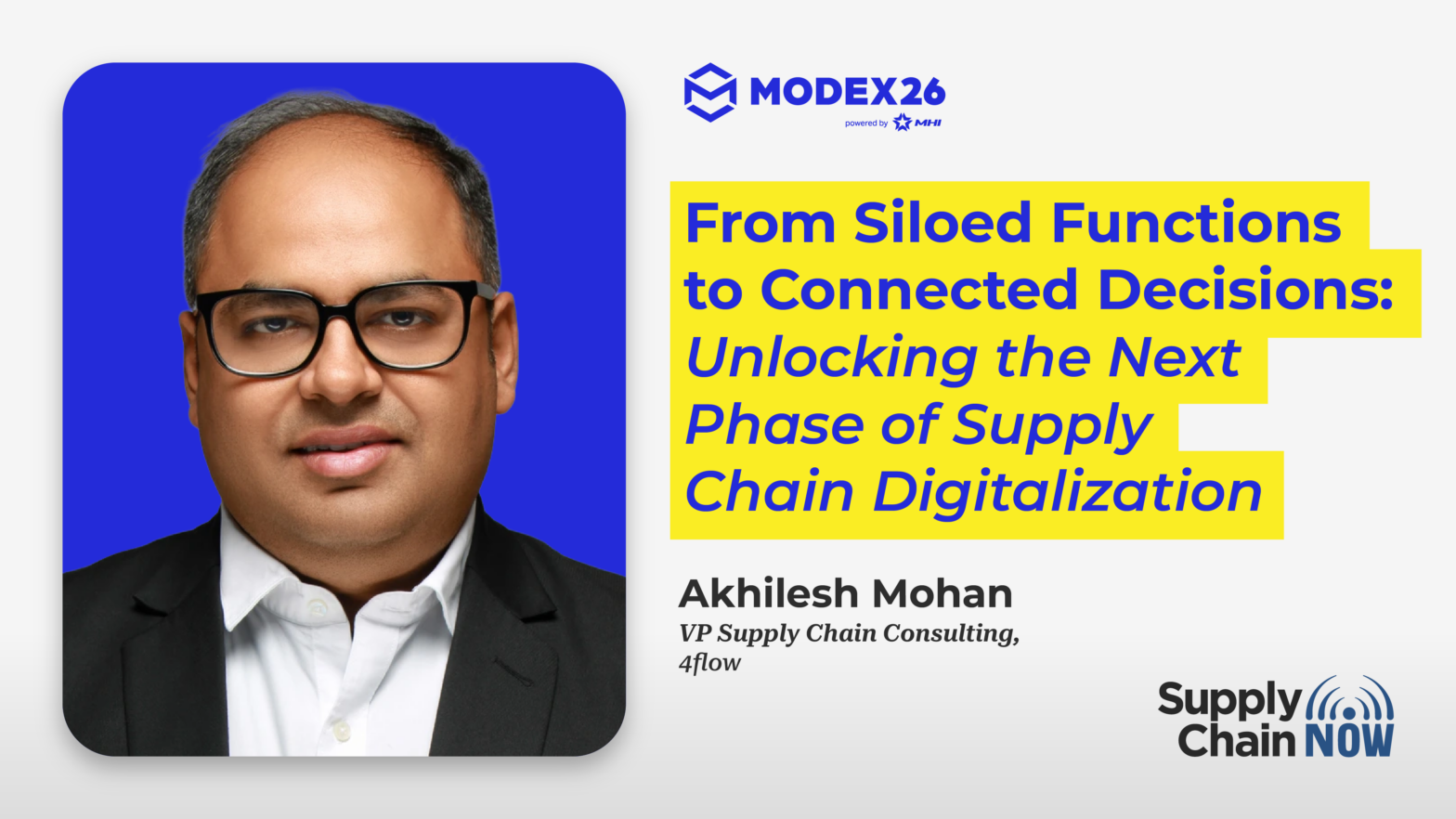
In a recent conversation, 4flow’s Akhilesh Mohan joined Scott Luton with Supply Chain Now to explore a critical shift underway in global supply chains: the move from siloed functional optimization to truly connected decision-making. The discussion highlights a growing realization across the industry. As organizations continue to invest heavily in digital platforms, Mohan makes it clear: the next wave of value won’t come from adding more tools, but from aligning how decisions are made across the enterprise ensuring those decisions are connected end-to-end.
The Workforce Reality Check: Why Supply Chains Still Run on People
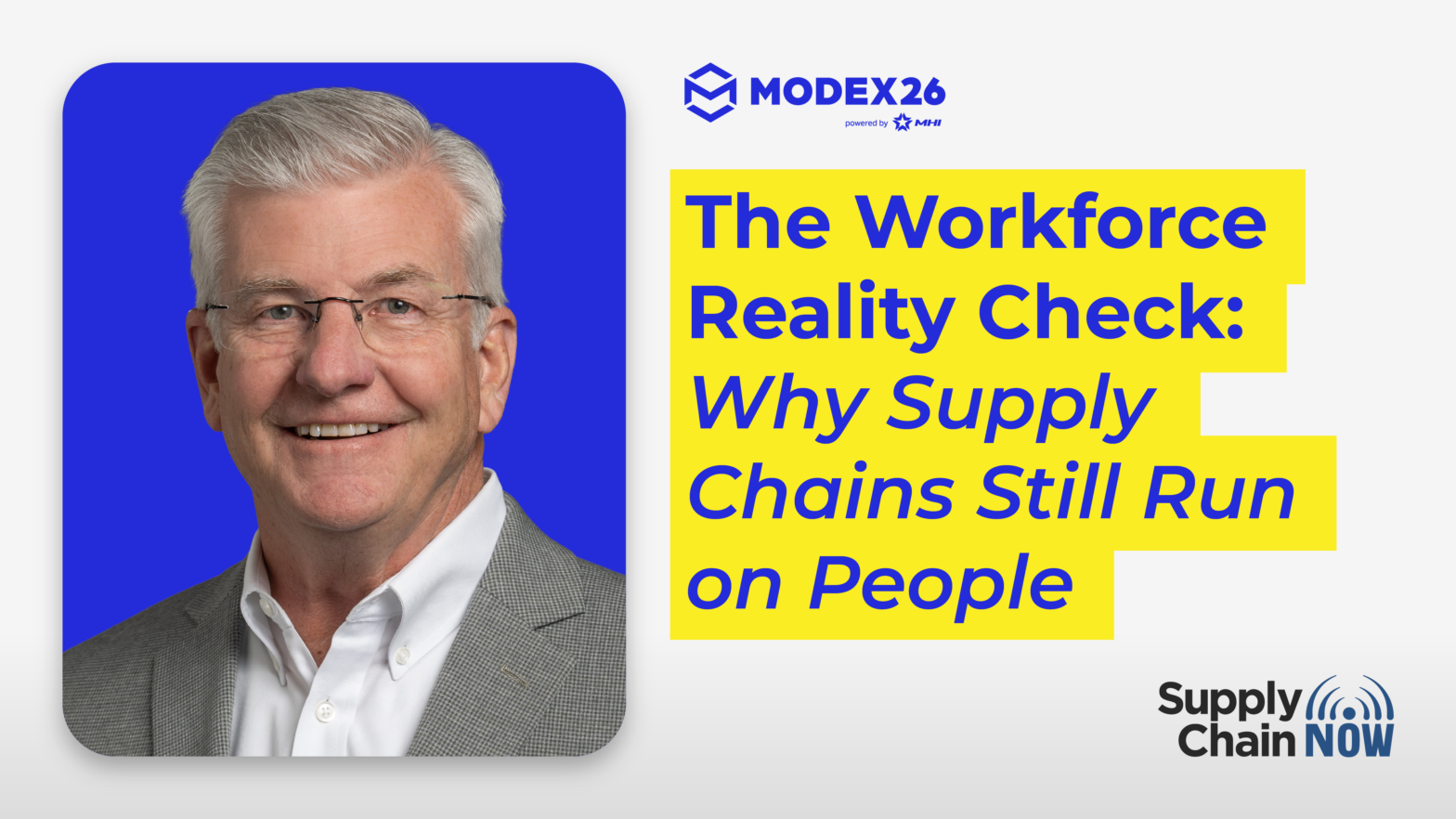
At the jampacked MODEX 2026 in Atlanta, Scott Luton sat down with Brian Devine, President & CEO of Ignite Industrial Professionals, for a grounded and timely conversation about one of the most pressing issues in global supply chain: the workforce.
From Planning to Decision Making
Supply chains are more volatile and interconnected than ever, but many planning processes still rely on disconnected systems, manual analysis, and spreadsheet-based interventions. This white paper explores how network optimization, supported by advances in optimization technology, workflow design, cloud computing, and AI, can help planning teams evaluate cross-functional trade-offs, respond faster to change, and move from static plans to continuous, decision-driven supply chain planning.
Kase Helps Brands Save With Amazon Shipping Through EasyPost
In today’s volatile shipping environment, balancing cost, speed, and customer expectations is no easy task. In this case study, discover how Kase, a leading omnichannel 3PL, partnered with EasyPost and leveraged Amazon Shipping to deliver faster, more reliable service, without sacrificing margins or customer experience.
A Practical Guide to Performance Testing for Enterprise Systems

Most systems don’t fail all at once. They slow down, back up, and quietly break when demand hits from every direction at once. What passed testing last week suddenly struggles under peak volume, overlapping processes, or hours of sustained use.
Smarter Sensors for Cold Storage Efficiency

Cold storage environments demand precision, consistency, and technology that performs under pressure. This free ebook explores how advanced sensor technologies are transforming cold storage logistics, helping teams reduce risk, improve accuracy, and keep goods moving safely through the supply chain.
The Retail TCO Playbook: Strategies for Supply Chain Savings
Retail margins rarely disappear all at once, they leak out quietly across transportation, inventory, and returns. As ecommerce grows and return rates rise, retailers are facing higher logistics costs, volatile freight spend, and inventory positioned in the wrong places at the wrong time. Many organizations still operate without true end-to-end visibility, making it difficult to control cost or respond proactively to disruption.
The High Cost of Labor Firefighting and Systemic Attrition
Warehouses are not running out of labor. They are running out of labor that can sustain the pace. Manual firefighting, overtime, and constant reassignment push skilled associates to burn out faster than they can be replaced. The result is a cycle of turnover, training, and rising labor costs that slow performance and strain budgets.