
Demand sensing and demand forecasting are both crucial aspects of optimizing supply chains, but they do have slightly different functions in their approach and focus. Demand sensing uses real-time data and analytics to identify and respond to immediate demand fluctuations, while demand forecasting uses historical data to predict future demand over a longer period (months or years). Different methods, such as statistical modeling and machine learning, are used to enhance the accuracy and adaptability of these processes. Both areas are crucial for companies when it comes to projecting sales, managing inventory, and coordinating replenishment. In the end, the goal is to accurately predict customer demand by using predictive models to forecast future demand.
In a world defined by rapid market shifts, volatile supply chains, and unpredictable customer behavior, traditional forecasting methods often fall short. Relying primarily on historical data is no longer enough. To stay competitive, organizations are increasingly turning to demand sensing and forecasting, an approach that blends real-time data, advanced analytics, and AI to anticipate demand more accurately and respond faster to change.
Tag Archives: digital supply chain transformation
Investing at the Seams: Rachel Holt of Construct Capital on AI, Visibility, and the Race to Transform Foundational Industries
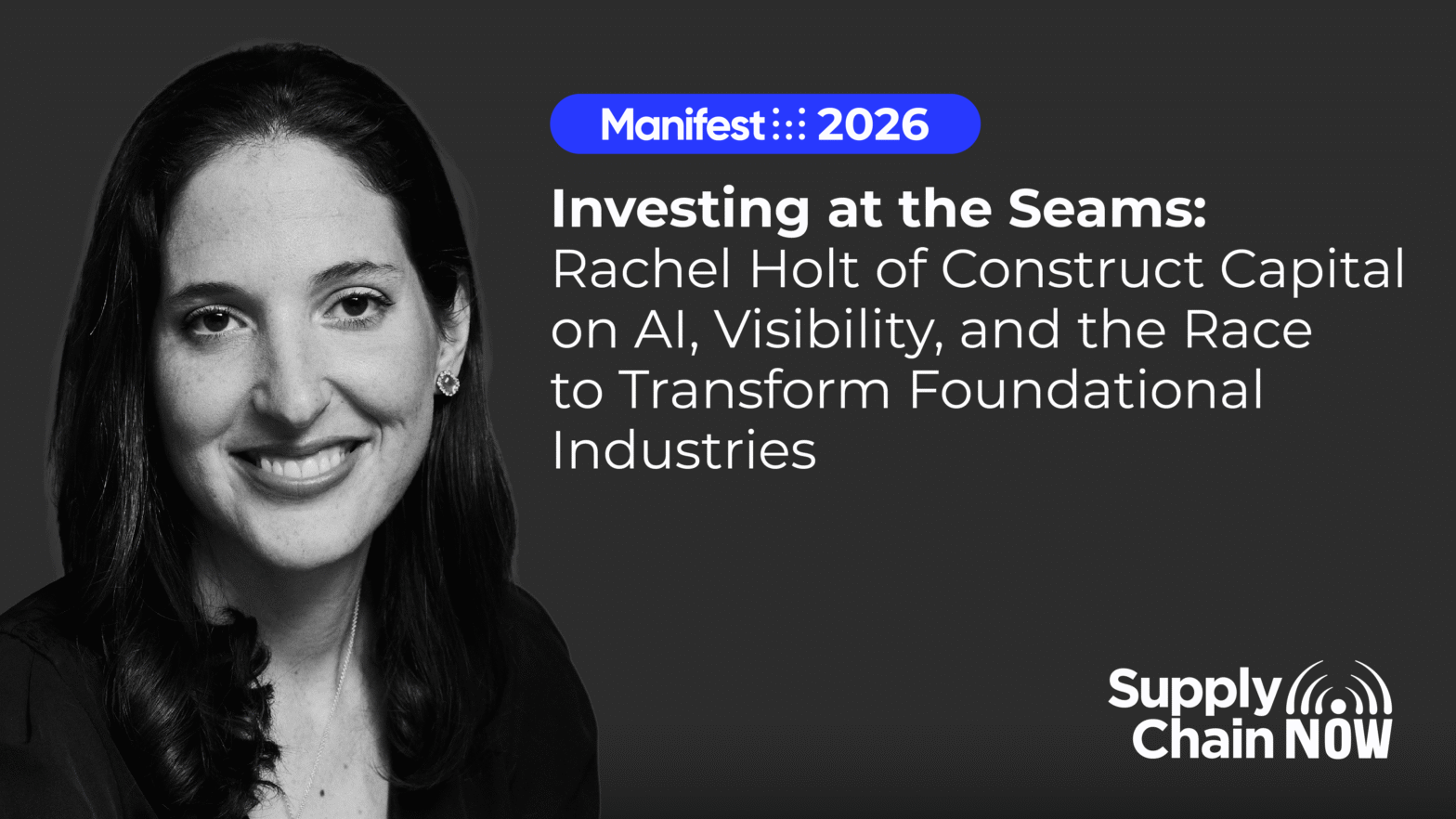
At Manifest 2026, Scott Luton sat down with Rachel Holt, Co-Founder and Managing Partner of Construct Capital, to explore how venture capital is fueling the next era of supply chain innovation.
Accelerating Decision Velocity: Why the Future Belongs to Faster, Smarter Supply Chain Decisions
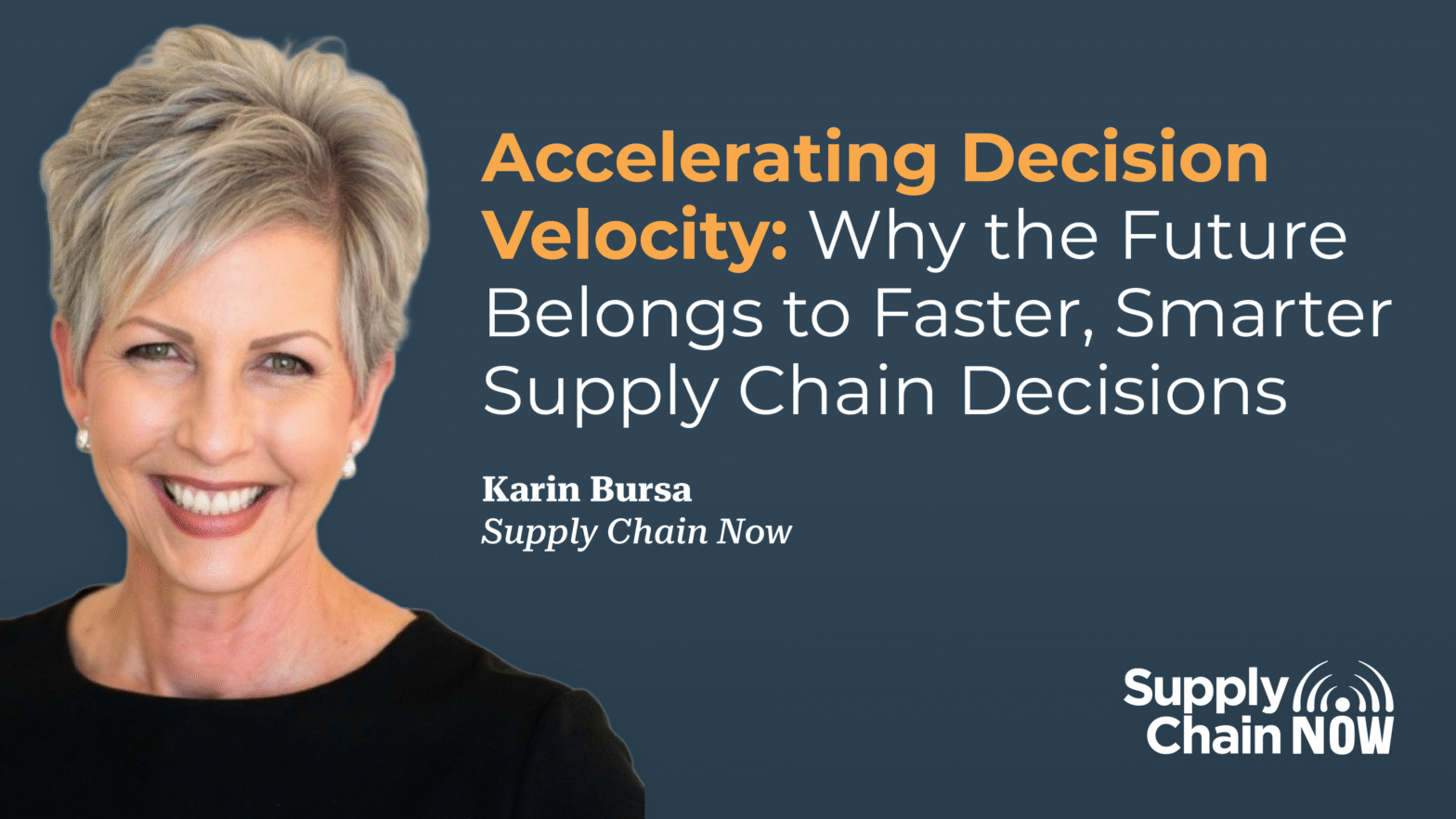
Here is a diagnostic question I use with supply chain leaders: when disruption hits, do your teams spend most of their time debating the data, debating the scenarios, debating the plan, or debating the decision? Or all of the above?