
Supply chain leaders are under constant pressure to move faster, reduce costs, improve resilience, and respond to disruptions in real time. Yet despite billions invested in technology, many organizations still struggle with stockouts, delayed shipments, excess inventory, and unreliable forecasts.
Tag Archives: end-to-end supply chain visibility
Why Track and Trace Is Essential for Modern Supply Chains
Supply chains have never been more complex or more exposed to disruption. From geopolitical instability and extreme weather to labor shortages and shifting demand, organizations are operating in a constant state of uncertainty. In this environment, basic visibility is no longer enough. Companies need the ability to monitor products in motion, understand their history, and act quickly on reliable data. That is where track and trace becomes essential.
Five Key Supply Chain Trends for 2026: Navigating the Road to Transformation
Supply chains are entering a pivotal stretch of highway into the future. It’s a route marked by regulatory detours, geopolitical potholes, and rising expectations for speed, intelligence, and resilience. The journey ahead demands connected data, embedded AI, and agile decision-making.
Accelerating Decision Velocity: Why the Future Belongs to Faster, Smarter Supply Chain Decisions
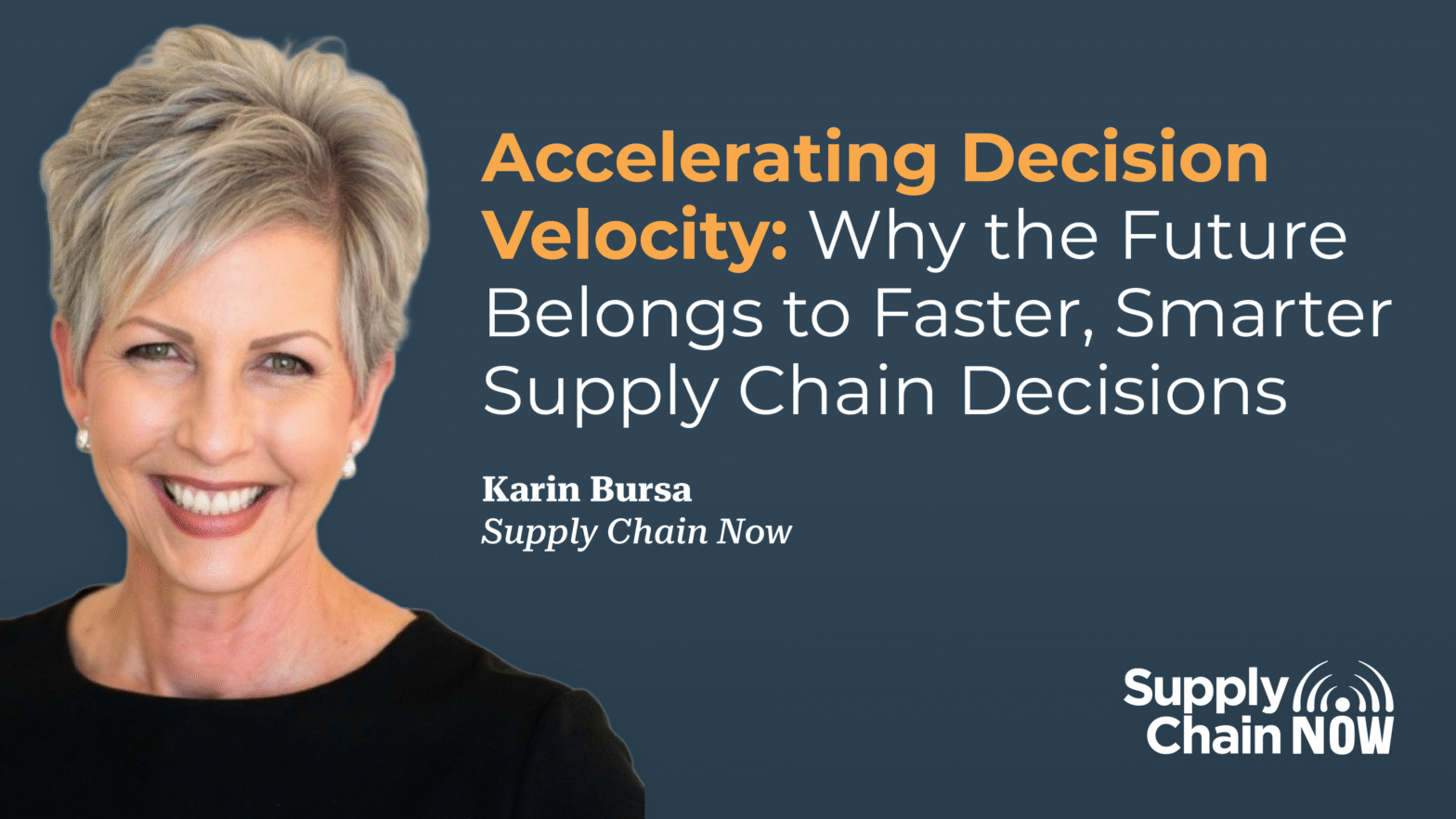
Here is a diagnostic question I use with supply chain leaders: when disruption hits, do your teams spend most of their time debating the data, debating the scenarios, debating the plan, or debating the decision? Or all of the above?