
At MODEX 2026 in Atlanta, Scott Luton sat down with Andre Luecht, Global Strategy Lead for Transportation, Logistics & Warehousing at Zebra Technologies, to explore how synchronization, visibility, and practical innovation are shaping the next phase of supply chain performance.
Category Archives: Supply Chain Now
From AI Anxiety to Workflow Reinvention: Key Takeaways from Gartner Supply Chain Symposium 2026
At MODEX 2026 in Atlanta, Scott Luton sat down with Andre Luecht, Global Strategy Lead for Transportation, Logistics & Warehousing at Zebra Technologies, to explore how synchronization, visibility, and practical innovation are shaping the next phase of supply chain performance.
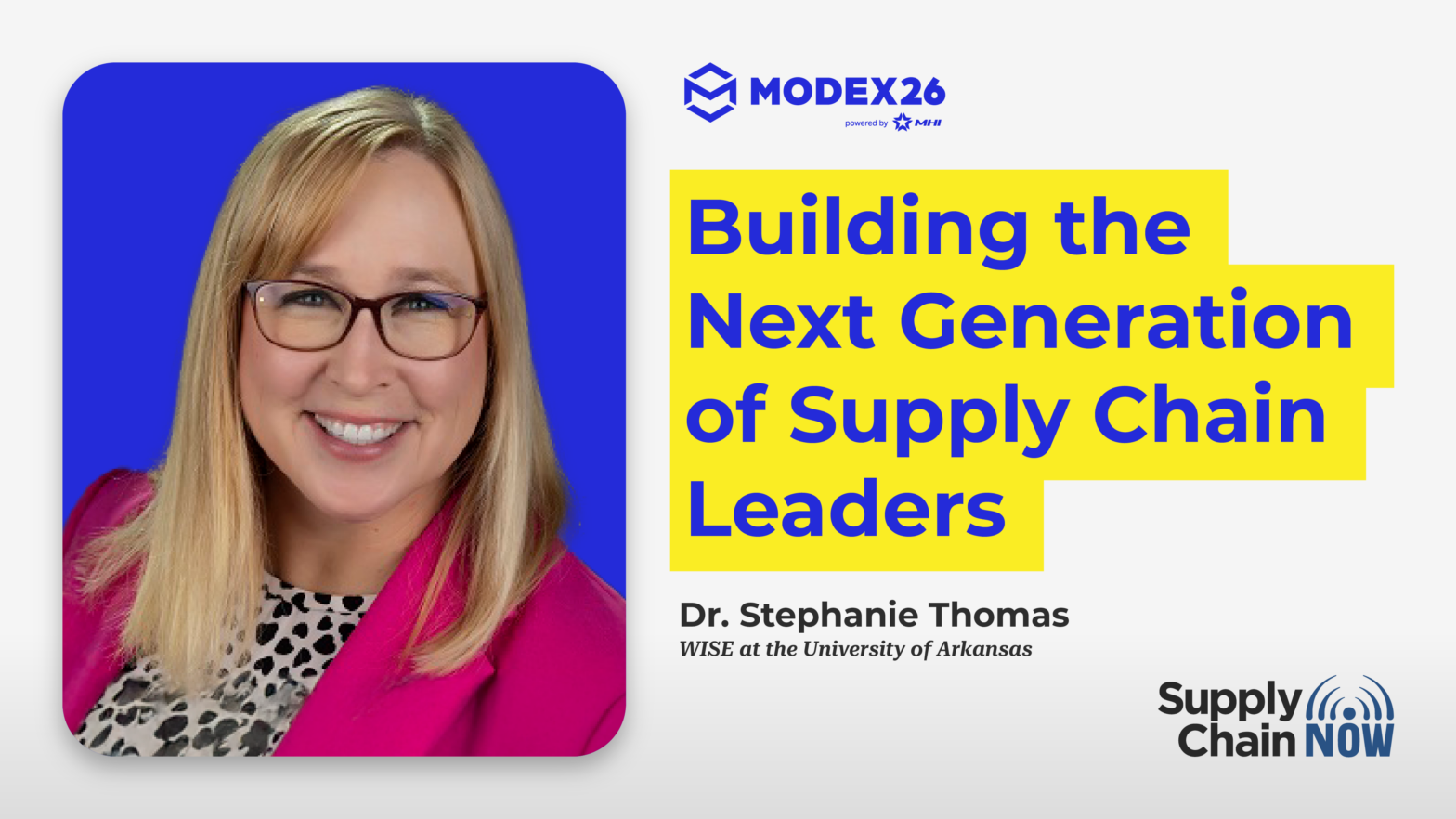
Building the Next Generation of Supply Chain Leaders
At MODEX 2026 in Atlanta, Scott Luton sat down with Andre Luecht, Global Strategy Lead for Transportation, Logistics & Warehousing at Zebra Technologies, to explore how synchronization, visibility, and practical innovation are shaping the next phase of supply chain performance.
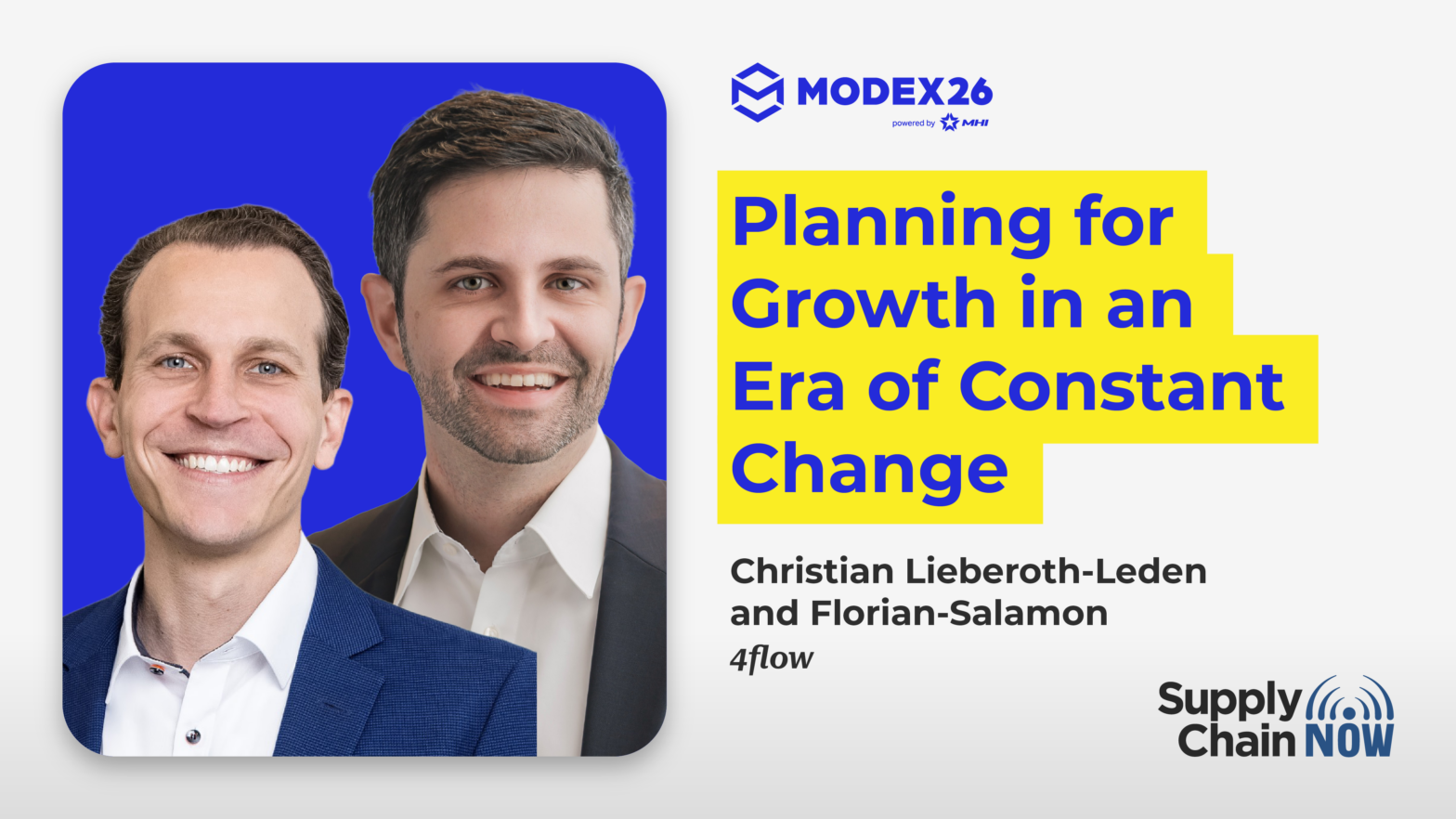
Planning for Growth in an Era of Constant Change
At MODEX 2026 in Atlanta, Scott Luton sat down with Andre Luecht, Global Strategy Lead for Transportation, Logistics & Warehousing at Zebra Technologies, to explore how synchronization, visibility, and practical innovation are shaping the next phase of supply chain performance.
Think Small to Win Big: Rethinking Supply Chain Design in the Age of E-Commerce
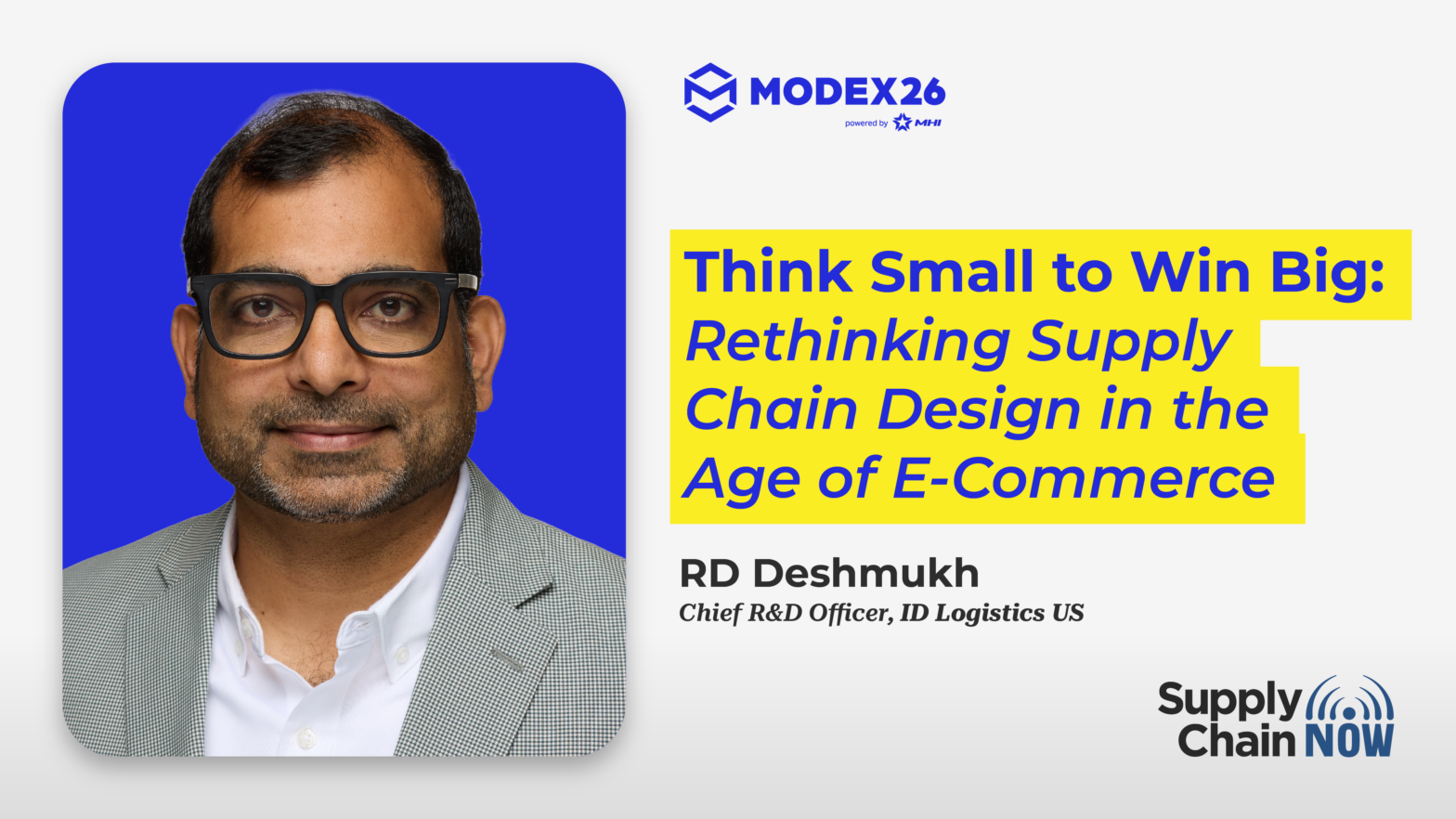
At MODEX 2026 in Atlanta, Scott Luton sat down with Andre Luecht, Global Strategy Lead for Transportation, Logistics & Warehousing at Zebra Technologies, to explore how synchronization, visibility, and practical innovation are shaping the next phase of supply chain performance.
Beyond the Robot: Why Software Is Driving the Next Wave of Warehouse Automation
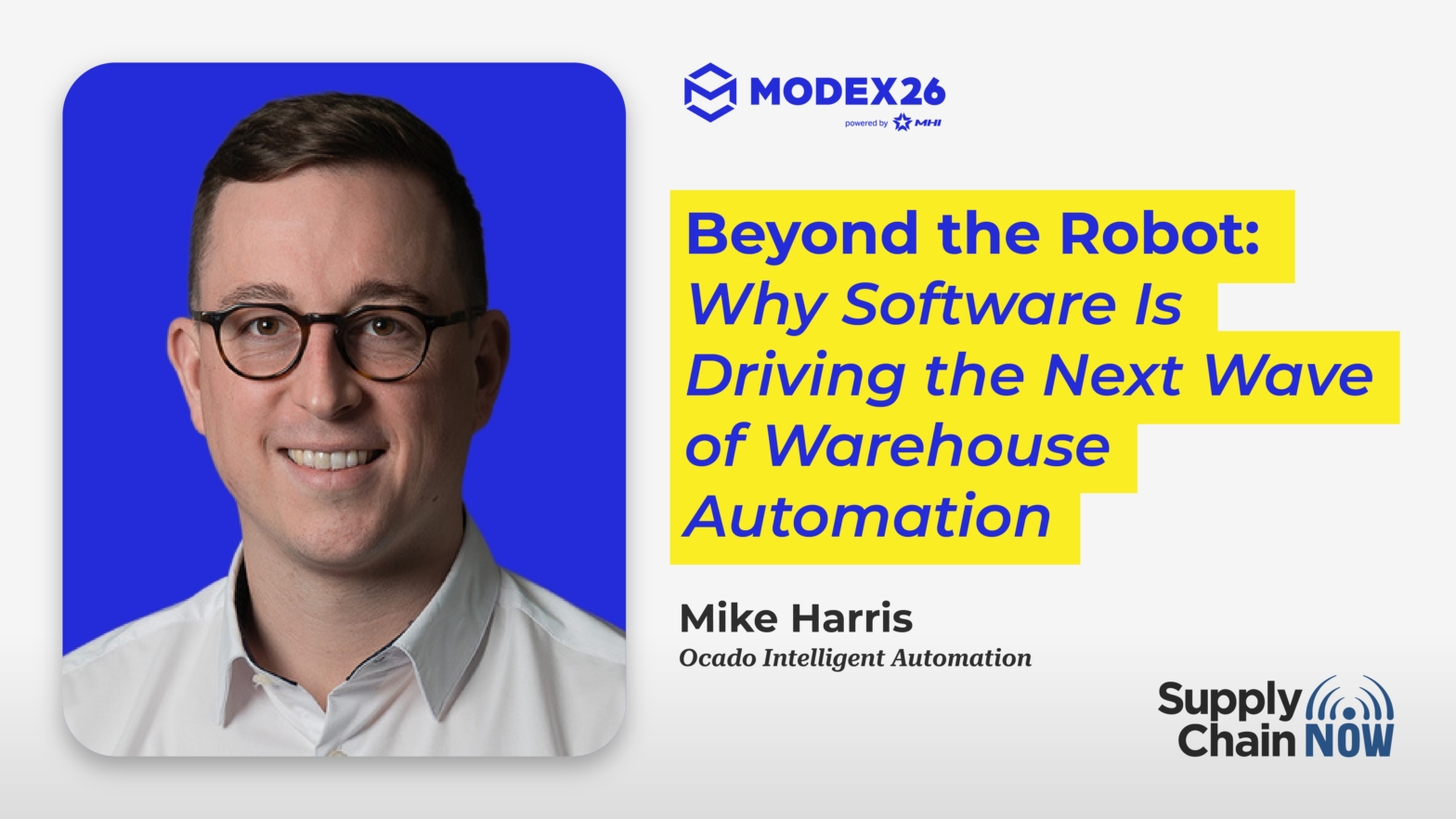
At MODEX 2026 in Atlanta, Scott Luton sat down with Andre Luecht, Global Strategy Lead for Transportation, Logistics & Warehousing at Zebra Technologies, to explore how synchronization, visibility, and practical innovation are shaping the next phase of supply chain performance.
Can the Warranty Claims Process be Improved?

Automotive manufacturers have invested billions in digital transformation over the past two decades, achieving meaningful gains in production efficiency. Yet one area has stubbornly lagged behind: warranty cost performance. Despite advances aligned with Industry 4.0, warranty costs as a percentage of revenue have remained largely unchanged. This disconnect highlights a critical truth that while production has evolved, warranty operations have not kept pace.
From Dragon Boats to Data Capture: Synchronizing the Modern Supply Chain
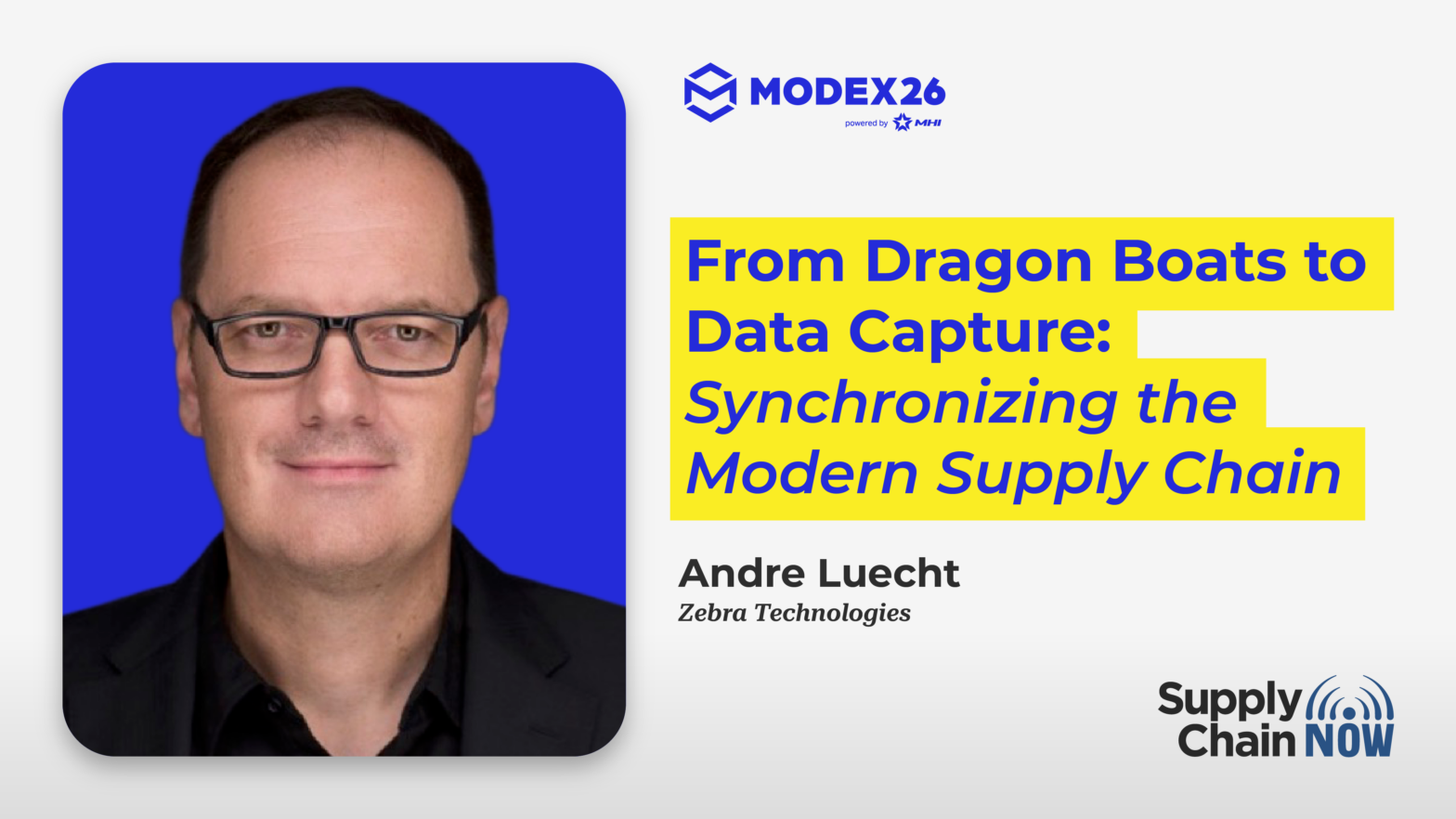
At MODEX 2026 in Atlanta, Scott Luton sat down with Andre Luecht, Global Strategy Lead for Transportation, Logistics & Warehousing at Zebra Technologies, to explore how synchronization, visibility, and practical innovation are shaping the next phase of supply chain performance.
Execution Over Everything: What It Takes to Win in Modern Supply Chains
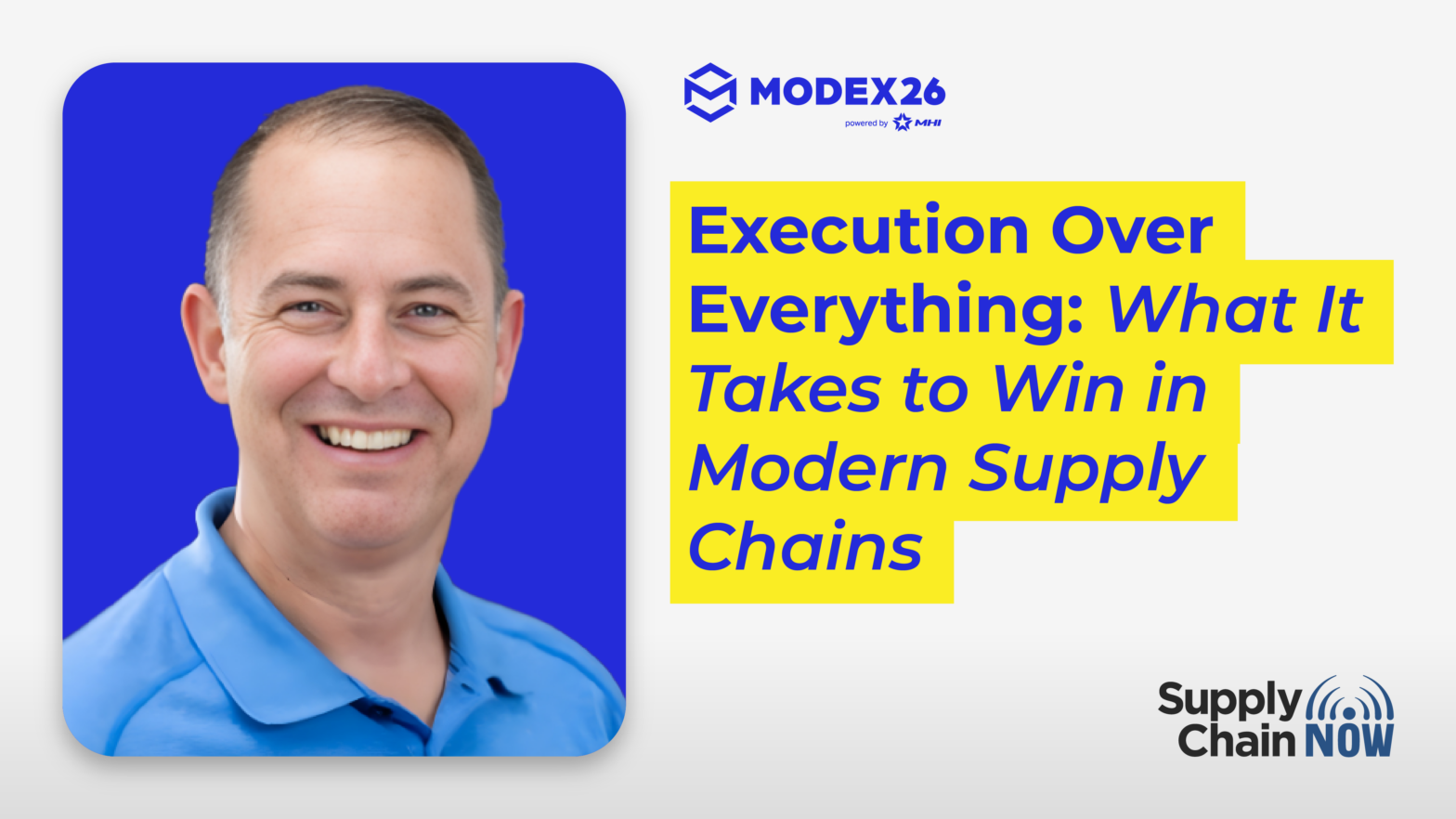
At MODEX 2026 in Atlanta, Scott Luton sat down with Tevon Taylor, Senior Vice President of Contract Logistics at Pegasus Logistics Group, for a candid conversation about what’s really driving success (and failure) in today’s supply chains.
From Siloed Functions to Connected Decisions: Unlocking the Next Phase of Supply Chain Digitalization
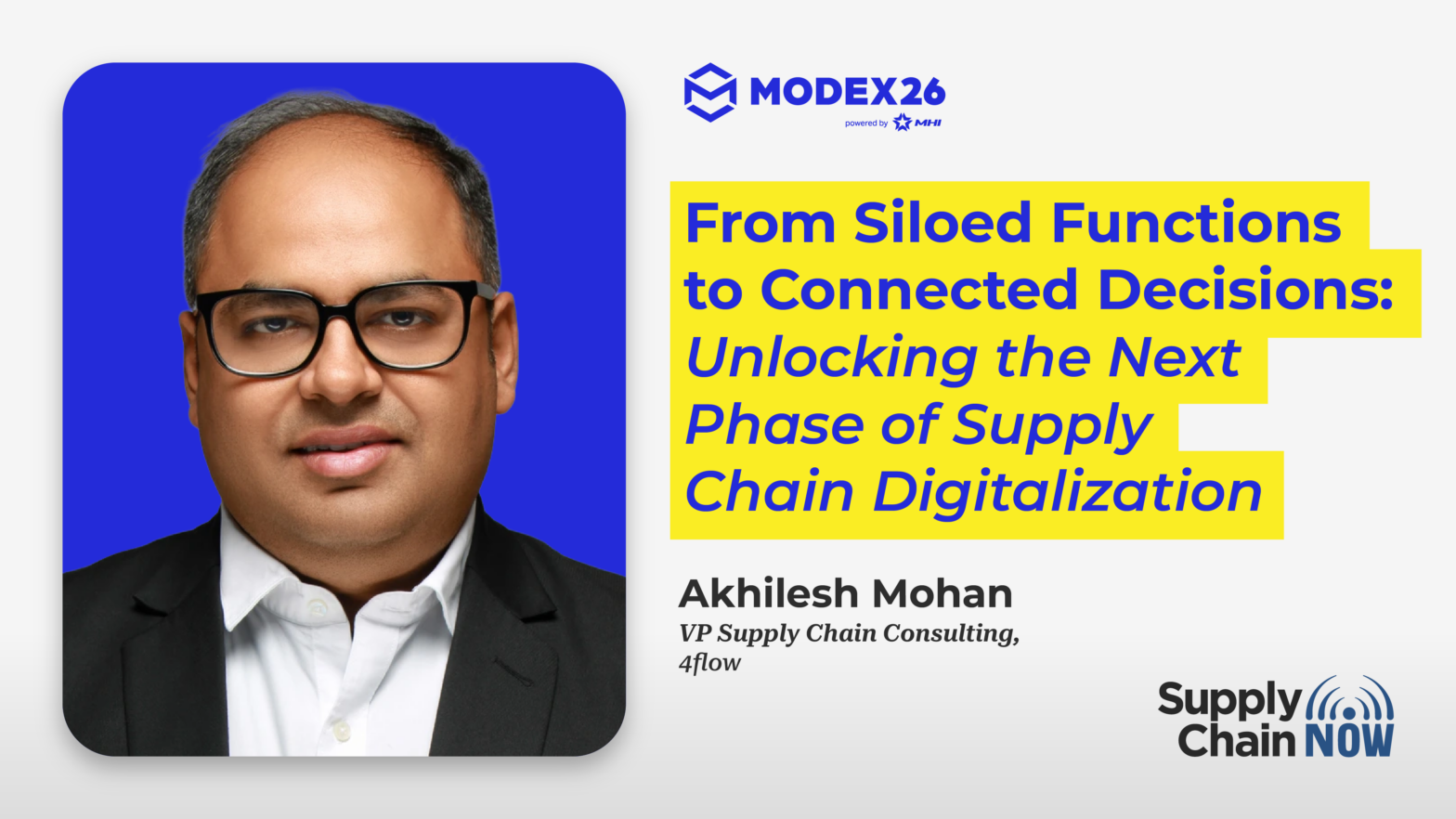
In a recent conversation, 4flow’s Akhilesh Mohan joined Scott Luton with Supply Chain Now to explore a critical shift underway in global supply chains: the move from siloed functional optimization to truly connected decision-making. The discussion highlights a growing realization across the industry. As organizations continue to invest heavily in digital platforms, Mohan makes it clear: the next wave of value won’t come from adding more tools, but from aligning how decisions are made across the enterprise ensuring those decisions are connected end-to-end.
From Integration to Impact: Lessons in Modern Supply Chain Leadership
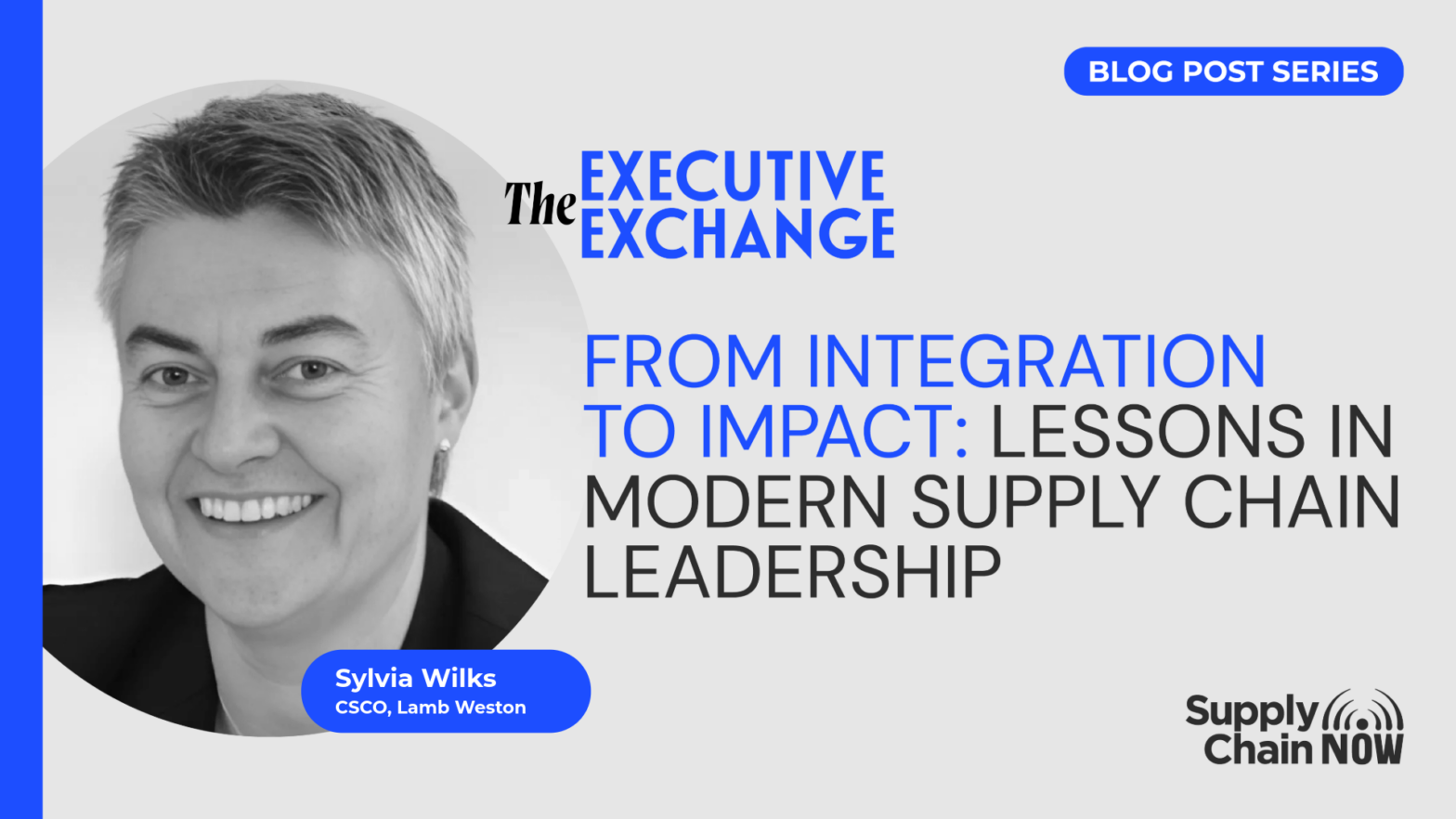
In a recent conversation, Supply Chain Now’s Scott Luton gained perspective from Sylvia Wilks, Chief Supply Chain Officer at Lamb Weston, who shared a powerful point of view on what it takes to lead in today’s increasingly complex, high-stakes supply chain environment. Her journey, from leading transformative initiatives at Starbucks to shaping global operations at Kimberly-Clark and REI, offers a consistent message: Success in supply chain isn’t just about systems or strategy. It’s about people, integration, and clarity of purpose.
Parcel Management Software + TMS: The Shortcut to Lower Costs and Better Performance
Learn how integrated parcel management software inside TMS workflows helps enterprise shippers reduce cost, improve delivery performance, and simplify omnichannel shipping.