
Supply chains have never been more complex or more exposed to disruption. From geopolitical instability and extreme weather to labor shortages and shifting demand, organizations are operating in a constant state of uncertainty. In this environment, basic visibility is no longer enough. Companies need the ability to monitor products in motion, understand their history, and act quickly on reliable data. That is where track and trace becomes essential.
Category Archives: Blog Post
Why Your Supply Chain Team Spends More Time in Outlook Than Your ERP
There is a dirty secret in supply chain management: the most critical information about your orders, delays, and supplier commitments doesn’t live in your ERP. It lives in email.
Are You Sure Consumers Are the Unlock for Circularity?
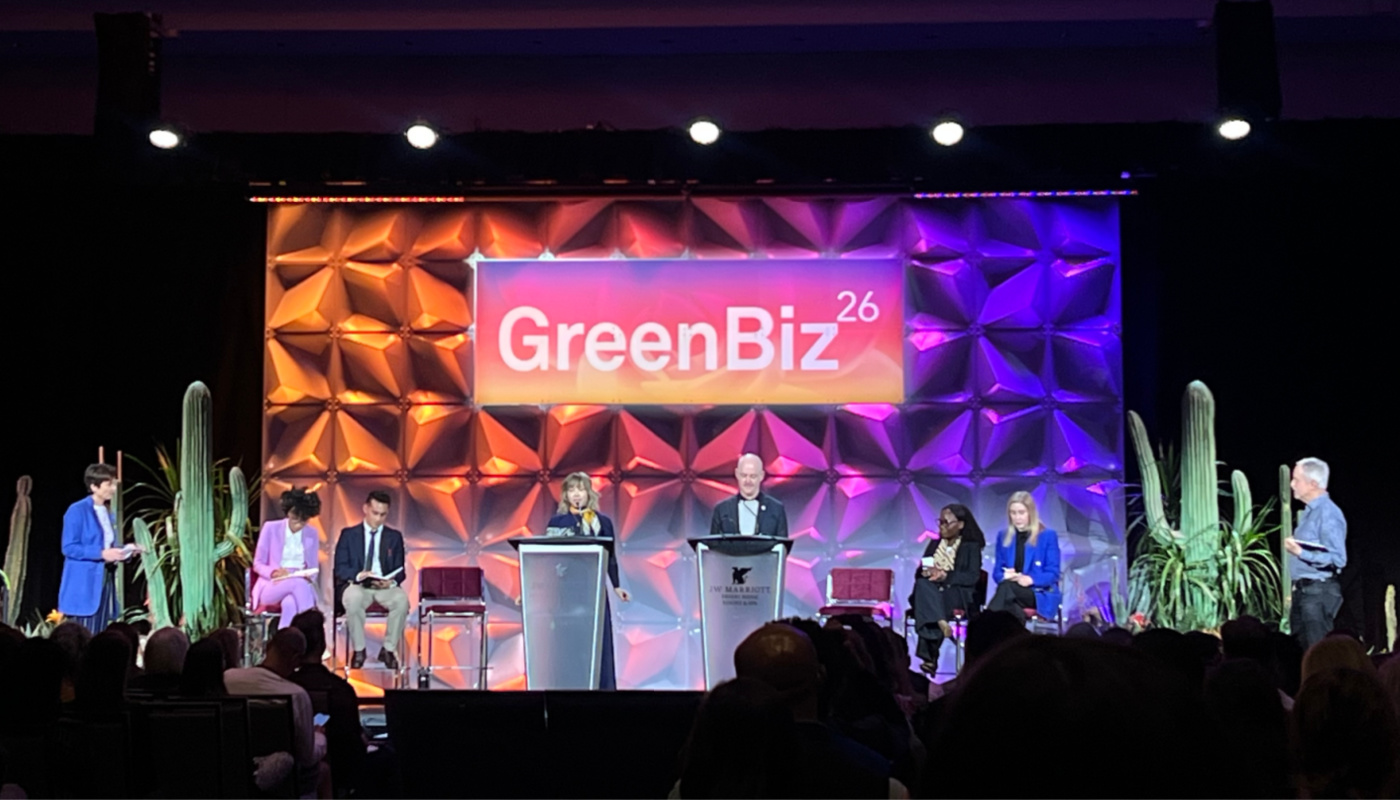
One of the most repeated excuses in the circular economy space is that American consumers just do not care enough. They will not sort their waste. They will not pay a premium for sustainable products. They will not participate in take-back programs. Europe is different, the story goes. Americans are a lost cause.
The Connected TMS for Shippers: One Platform for Every Mode
Learn how a connected TMS helps shippers manage every transportation mode in one workflow, respond faster to disruptions, and improve service with exception‑ready intelligence.
The Geopolitics of Junk
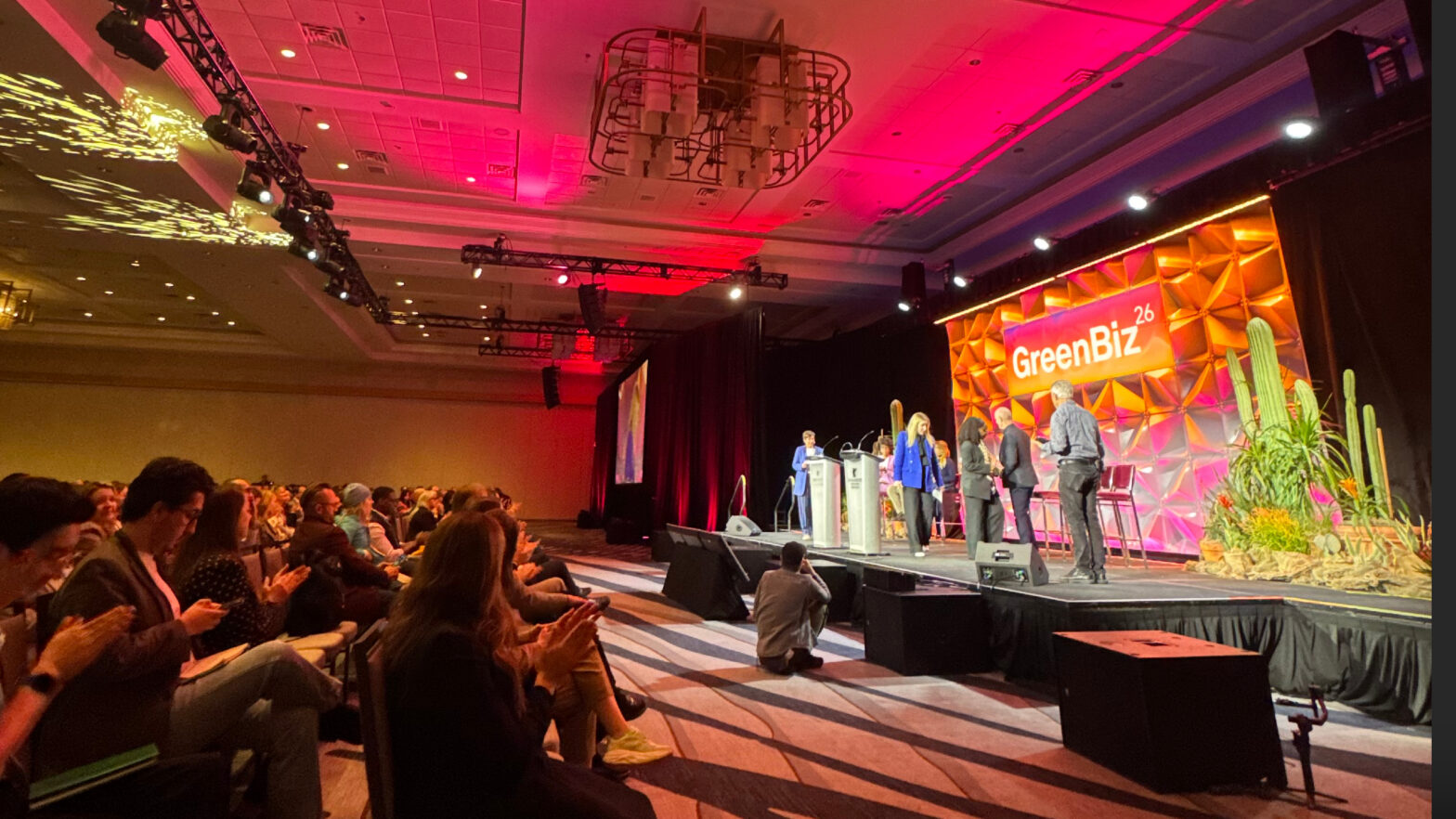
Here is the situation. The United States imports 95% of its critical mineral supply. Lithium, cobalt, rare earth elements, the stuff inside every battery, every semiconductor, every electric motor. We do not make it, we do not mine much of it, and we do not control the supply chain that delivers it. That is not an energy policy problem. That is a national security problem.
Anything is Possible: Josh Gruenstein on AI Workers, Throughput Pressure, and the Next Revenue Lever in Supply Chain
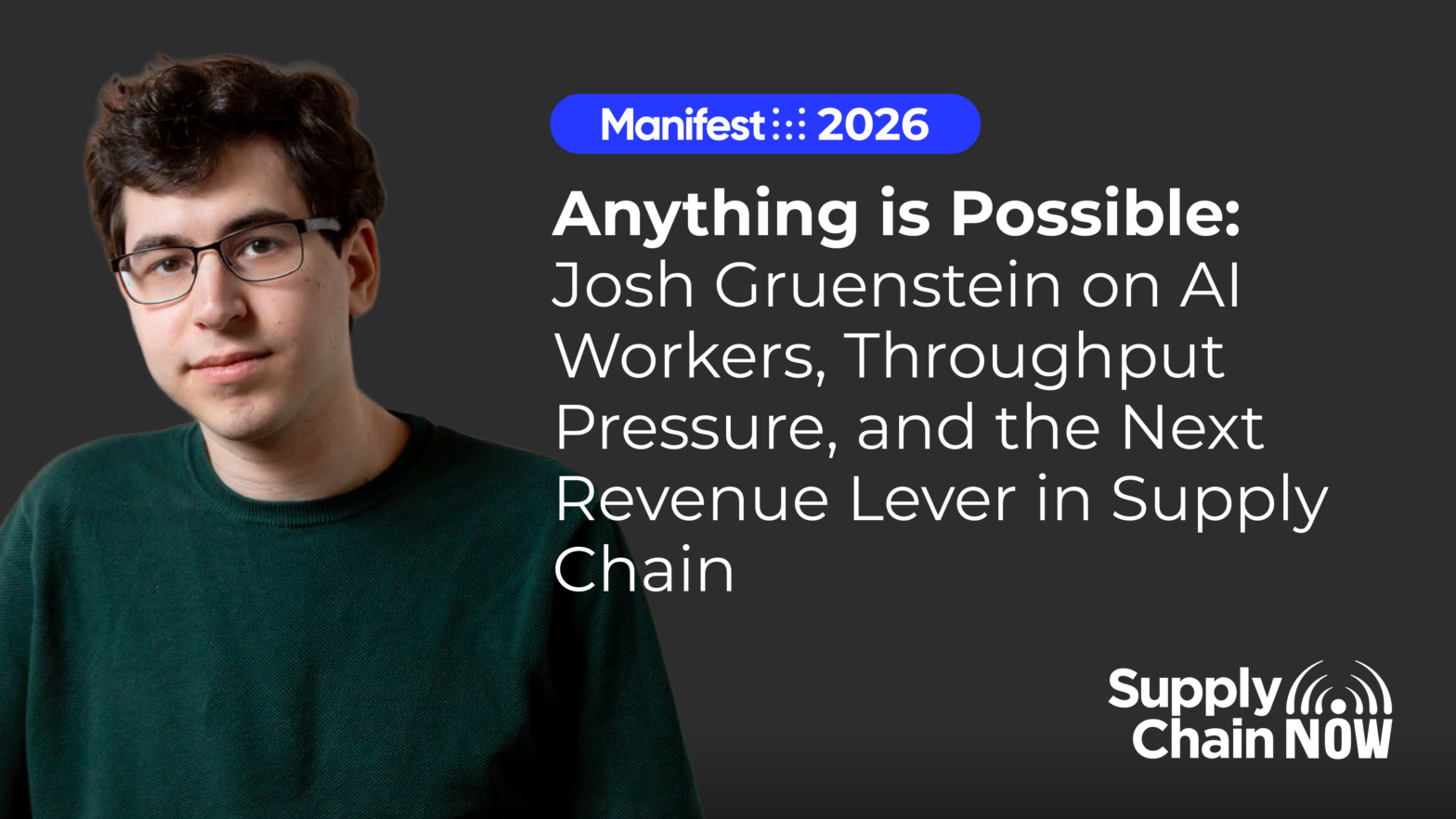
At Manifest 2026, Scott Luton spent time with Josh Gruenstein, Co-Founder and CEO of Tutor Intelligence, to talk about a future that’s no longer theoretical: AI-powered robot workers operating inside America’s warehouses and factories. And this isn’t a science experiment. It’s already happening.
Adapt or Be Left Behind: Jorge Morales on Technology, Personal Growth and the Human Core of Supply Chain
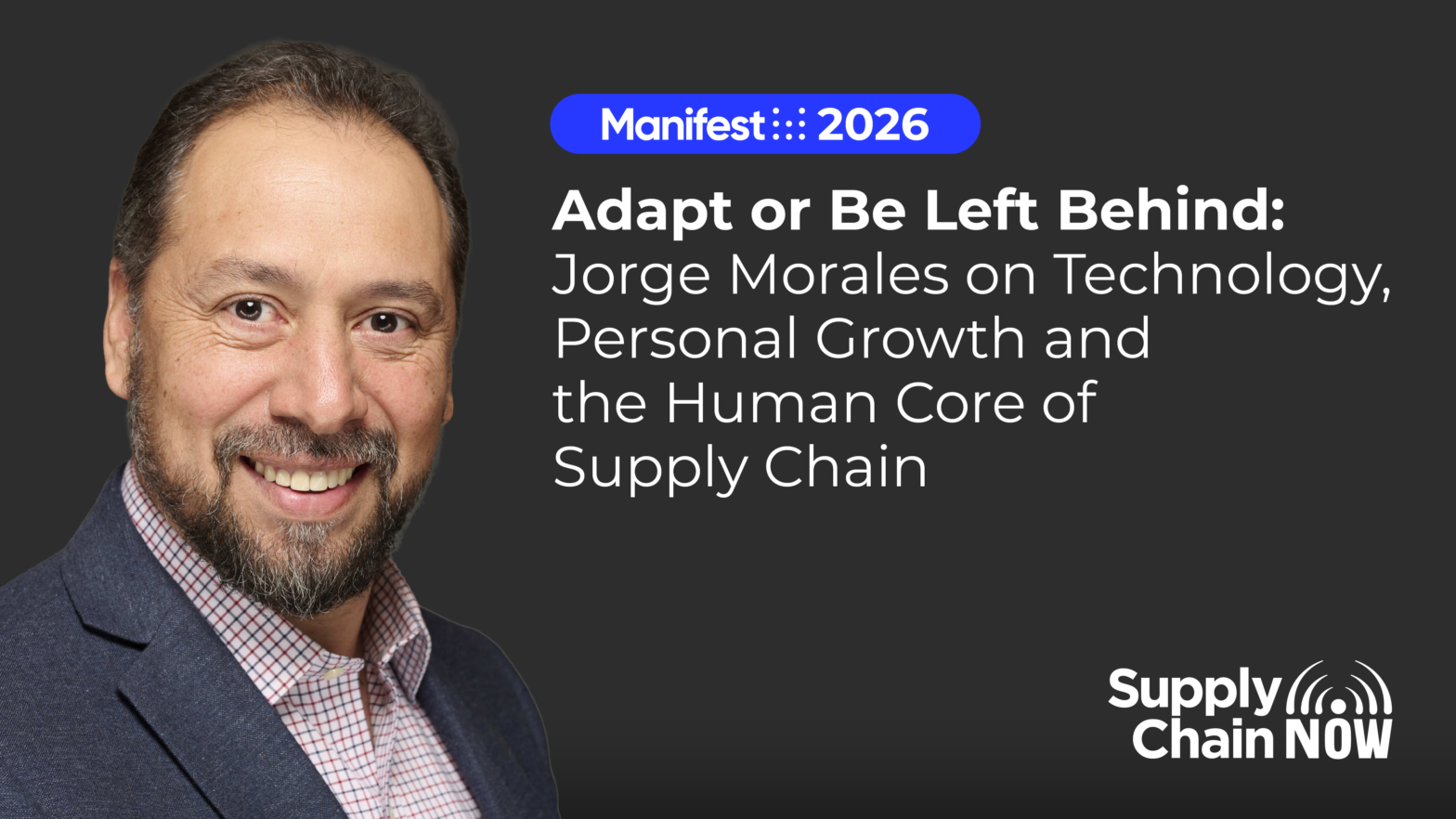
At Manifest 2026, Scott Luton spent time with his friend, Jorge Morales, Global Chief Operating Officer of the International Supply Chain Education Alliance (ISCEA), for a conversation that centered not on hype, but on growth.
Key Demand Sensing and Forecasting Use Cases Across Industries
Demand sensing and demand forecasting are both crucial aspects of optimizing supply chains, but they do have slightly different functions in their approach and focus. Demand sensing uses real-time data and analytics to identify and respond to immediate demand fluctuations, while demand forecasting uses historical data to predict future demand over a longer period (months or years). Different methods, such as statistical modeling and machine learning, are used to enhance the accuracy and adaptability of these processes. Both areas are crucial for companies when it comes to projecting sales, managing inventory, and coordinating replenishment. In the end, the goal is to accurately predict customer demand by using predictive models to forecast future demand.
In a world defined by rapid market shifts, volatile supply chains, and unpredictable customer behavior, traditional forecasting methods often fall short. Relying primarily on historical data is no longer enough. To stay competitive, organizations are increasingly turning to demand sensing and forecasting, an approach that blends real-time data, advanced analytics, and AI to anticipate demand more accurately and respond faster to change.
The Amazon Effect for AI: Aadil Kazmi of Infios on Execution, AI Readiness and the Next Competitive Divide in Supply Chain
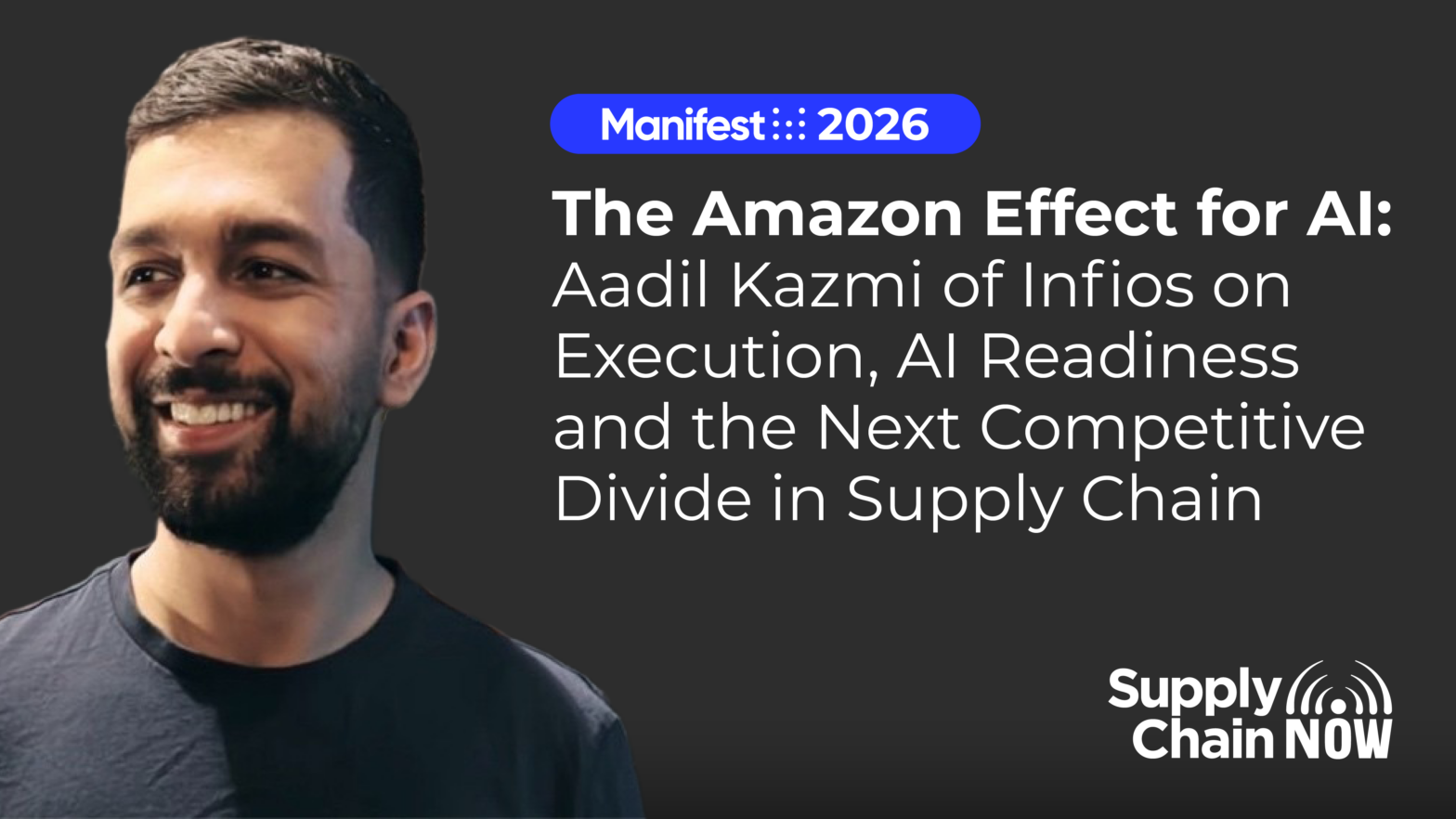
At Manifest 2026, Scott Luton spoke with Aadil Kazmi, Head of AI at Infios, to discuss the next chapter of intelligent supply chain execution. Infios provides an integrated suite of supply chain execution software: order management, warehouse management, and transportation management – all running on a single data model.
Risk, Reinvention & Readiness: Between the Lines for February 2026
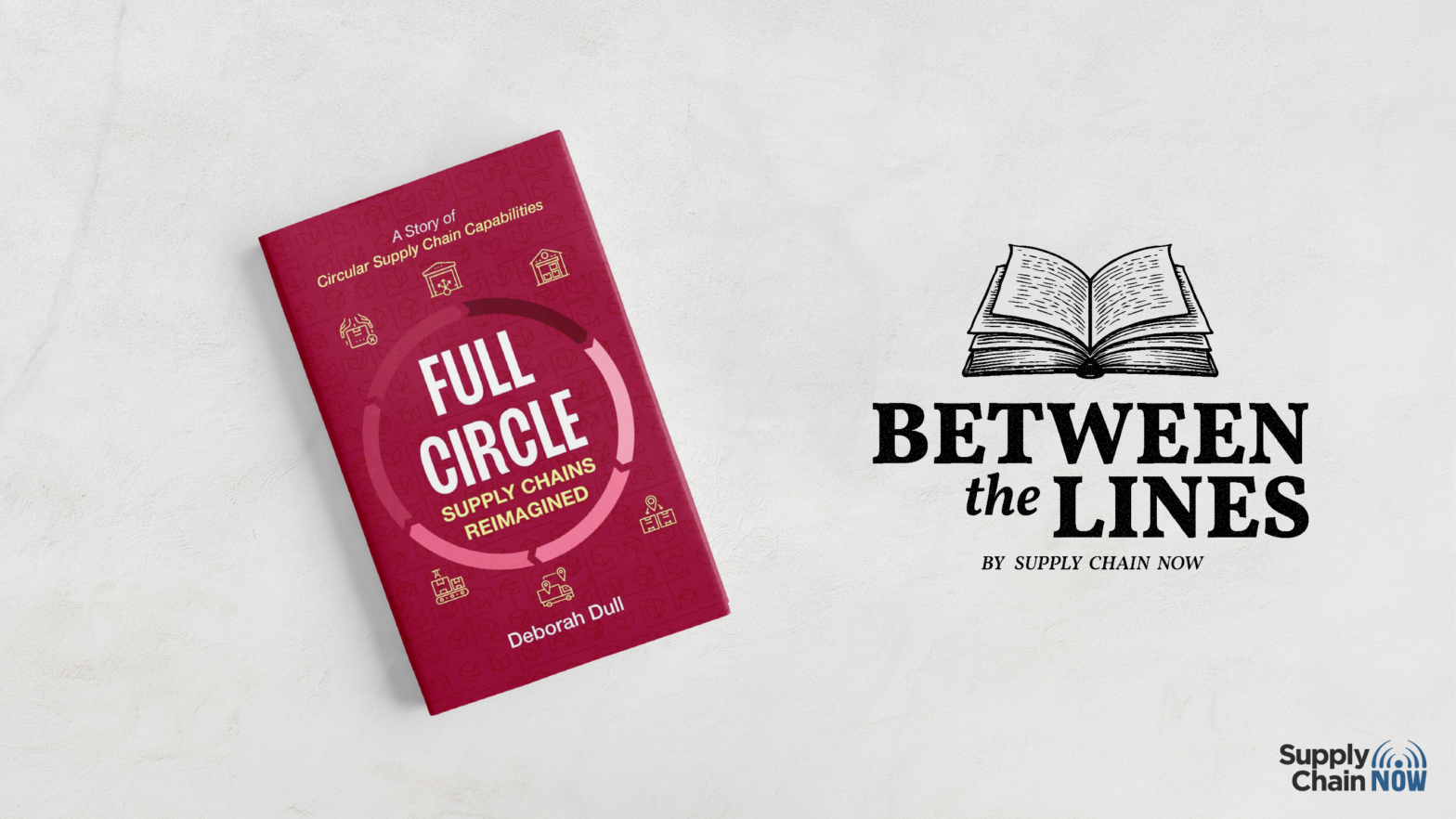
Last month, we launched Between the Lines, our Supply Chain Now book club, with a simple idea: the best leaders don’t just consume headlines, they read deeply, think critically, and stay curious. The response to our first edition reminded us how powerful shared learning can be!
Five Key Supply Chain Trends for 2026: Navigating the Road to Transformation
Supply chains are entering a pivotal stretch of highway into the future. It’s a route marked by regulatory detours, geopolitical potholes, and rising expectations for speed, intelligence, and resilience. The journey ahead demands connected data, embedded AI, and agile decision-making.
Inside the Supply Chain War Room: Max Garland on Backup Plans, Delivery Costs & the Human Side of Innovation
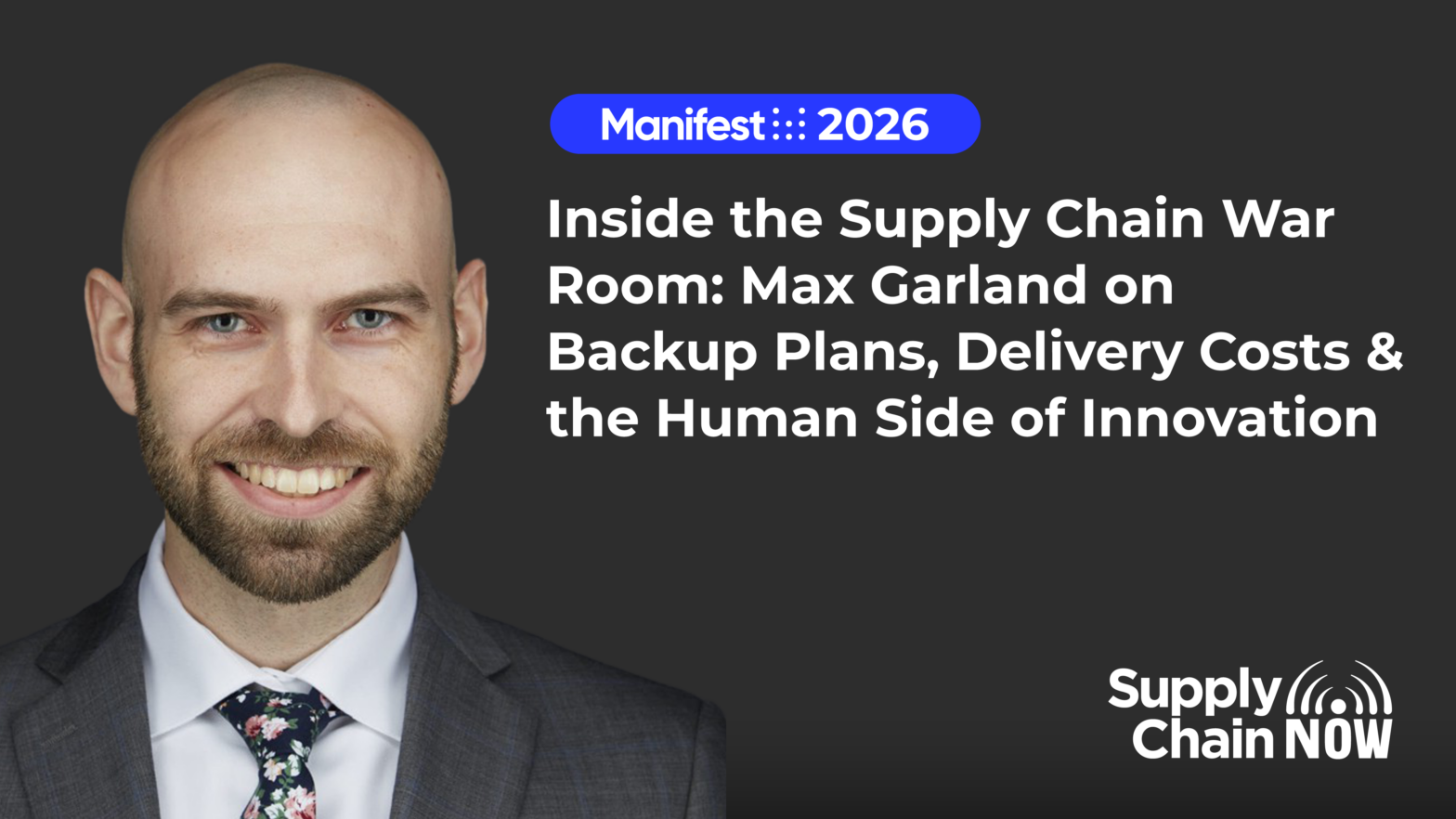
At Manifest 2026, Scott Luton shared a cup of coffee with Max Garland, Senior Reporter at Supply Chain Dive, an Informa TechTarget publication, for a boots-on-the-ground perspective from one of the industry’s most plugged-in observers.